ENFORCE Act
Summary
What This Bill Does
The ENFORCE Act strengthens federal child exploitation enforcement. Section 2 rewrites the production offense in 18 U.S.C. 2252A(a)(7) for covered child sexual abuse material, tying liability to interstate or foreign commerce, materials moved in commerce, or later transportation through commerce, and updates related penalties. Section 3 adds 18 U.S.C. 1466A to the list of offenses with no statute of limitations, to Adam Walsh Act sex offender registration provisions, to pretrial detention rules, and to supervised release provisions. It also provides that visual depictions involved in section 1466A criminal proceedings must remain in the custody of the government or court like child sexual abuse material under section 3509(m), and that any identifiable minor depicted may access the depiction in the same way a victim may access material under section 3509(m)(3). The bill is aimed at closing enforcement gaps for obscene visual representations of child sexual abuse and strengthening case handling.
Who Benefits and How
Child sexual abuse survivors benefit because identifiable minors receive access rights and evidence-custody protections tied to section 1466A proceedings. Federal child exploitation prosecutors benefit from clarified production language and broader inclusion of section 1466A in enforcement statutes. Victim advocates benefit because custody and access rules are aligned with existing protections for child sexual abuse material. Law enforcement investigators benefit from clearer interstate-commerce hooks for production offenses.
Who Bears the Burden and How
Federal defendants charged under section 1466A face no statute of limitations, possible detention presumptions, registration consequences, and supervised release exposure. Federal courts must apply evidence custody and access rules to covered section 1466A visual depictions. United States Probation offices must administer supervised release consequences for newly covered offenses. Defense counsel must handle discovery and evidence-access limits for covered depictions under section 3509(m)-style rules.
Key Provisions
- Clarifies the section 2252A production offense for covered child sexual abuse material.
- Adds section 1466A offenses to no-statute-of-limitations and Adam Walsh registration provisions.
- Requires government or court custody of covered visual depictions in section 1466A proceedings.
- Adds section 1466A to pretrial detention and supervised release provisions.
Evidence Chain:
This summary is generated from the full bill text using AI analysis. Expand "Detailed Analysis" below for identified beneficiaries/burden bearers with clause-level evidence links.
At a Glance
What This Bill Does
Clarifies federal criminal liability for producing child sexual abuse material covered by section 2252A, adds section 1466A offenses involving obscene visual representations of child sexual abuse to no-statute-of-limitations, sex-offender-registration, evidence-custody, pretrial-detention, and supervised-release provisions, and gives identifiable minors access to covered depictions in the same manner as victims under section 3509(m)(3).
Key Policy Areas
Criminal Law, Child Protection, Sexual Exploitation
Primary Purpose
Clarifies federal criminal liability for producing child sexual abuse material covered by section 2252A, adds section 1466A offenses involving obscene visual representations of child sexual abuse to no-statute-of-limitations, sex-offender-registration, evidence-custody, pretrial-detention, and supervised-release provisions, and gives identifiable minors access to covered depictions in the same manner as victims under section 3509(m)(3).
Policy Domains
Resolution provisions
Identified Gains
- Child sexual abuse survivors
- Federal child exploitation prosecutors
- Victim advocates
- Law enforcement investigators
Identified Costs
- Federal defendants under section 1466A
- Federal courts
- United States Probation offices
- Defense counsel
Sponsors
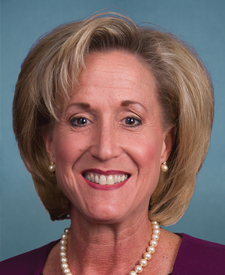
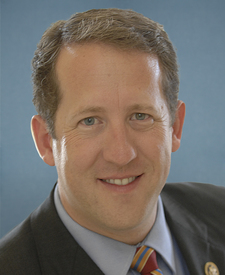

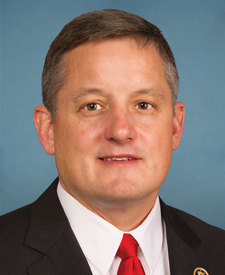
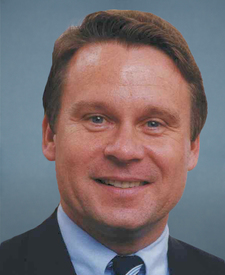
Legislative Progress
In CommitteeMrs. Wagner (for herself, Mr. Van Drew, and Mr. Cohen) …
Referred to the House Committee on the Judiciary.
Introduced in House
Stakeholder Effects
cui bono?How this legislation distributes effects. Mention counts reflect frequency, not effect magnitude.
Federal child exploitation prosecutors, Federal courts, Federal defendants under section 1466A
Positive-direction: Federal child exploitation prosecutors
Negative-direction: Federal courts, Federal defendants under section 1466A
Bill Structure & Actor Mappings
Who is "The Secretary" in each section?
We use a combination of our own taxonomy and classification in addition to large language models to assess meaning and potential beneficiaries. High confidence means strong textual evidence. Always verify with the original bill text.
Learn more about our methodology