Blue Shield Privacy Act of 2025
Summary
What This Bill Does
The Blue Shield Privacy Act makes a compact but concrete privacy amendment to 18 U.S.C. 119(b). That statute uses the defined term restricted personal information for protections around covered individuals. The bill broadens the definition by adding license plate number, biometric information, workplace address, school address, and global positioning system coordinates. Those data types can reveal where protected people work, study, travel, or can be physically located. The effect is to make disclosure or misuse rules tied to restricted personal information cover more location and identifier data than the existing home phone, mobile, fax, and address categories.
Who Benefits and How
Covered public officials benefit because more location and identifier data are treated as restricted personal information. Law enforcement officers protected by title 18 benefit if license plates, workplace addresses, and GPS coordinates receive statutory coverage. Family members of covered persons benefit indirectly from broader protection against doxxing and physical-location exposure. Security offices benefit from clearer statutory coverage for biometric information and non-home location data.
Who Bears the Burden and How
People who disclose restricted personal information face broader criminal-law exposure when the data includes license plates, biometrics, workplaces, schools, or GPS coordinates. Online data brokers may need to review whether covered-person records contain newly protected fields. Investigators and prosecutors must apply the expanded definition in cases involving title 18 restricted personal information. Courts must interpret the new categories when deciding whether information falls within section 119(b).
Key Provisions
- Adds license plate numbers to restricted personal information.
- Adds biometric information to restricted personal information.
- Adds workplace addresses, school addresses, and GPS coordinates to restricted personal information.
- Strengthens title 18 privacy coverage for location and identifier data beyond home-contact fields.
Evidence Chain:
This summary is generated from the full bill text using AI analysis. Expand "Detailed Analysis" below for identified beneficiaries/burden bearers with clause-level evidence links.
At a Glance
What This Bill Does
Expands the title 18 restricted personal information definition by adding license plate numbers, biometric information, workplace addresses, school addresses, and global positioning system coordinates to the already covered home-contact information.
Key Policy Areas
Privacy, Public Safety, Criminal Law
Primary Purpose
Expands the title 18 restricted personal information definition by adding license plate numbers, biometric information, workplace addresses, school addresses, and global positioning system coordinates to the already covered home-contact information.
Policy Domains
Resolution provisions
Identified Gains
- Covered public officials
- Protected law enforcement officers
- Family members of covered persons
- Security offices
Identified Costs
- Restricted-information disclosers
- Online data brokers
- Federal prosecutors
- Federal courts
Sponsors
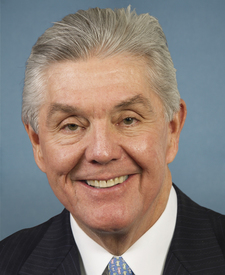

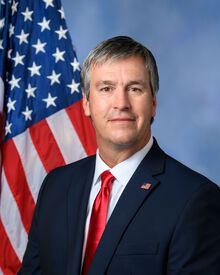

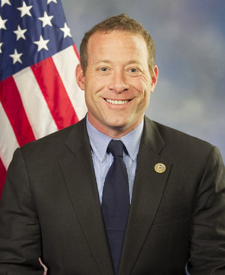
Legislative Progress
In CommitteeMr. Williams of Texas (for himself, Mrs. Luna, Mr. Babin, …
Referred to the House Committee on the Judiciary.
Introduced in House
Stakeholder Effects
cui bono?How this legislation distributes effects. Mention counts reflect frequency, not effect magnitude.
Bill Structure & Actor Mappings
Who is "The Secretary" in each section?
We use a combination of our own taxonomy and classification in addition to large language models to assess meaning and potential beneficiaries. High confidence means strong textual evidence. Always verify with the original bill text.
Learn more about our methodology