Promoting Free and Fair Elections Act of 2025
Summary
What This Bill Does
The Promoting Free and Fair Elections Act restricts agency implementation of Executive Order 14019 on voting access. It provides that the order, or any substantially similar executive order, has no force or effect where inconsistent with section 7 of the National Voter Registration Act. Agencies may not use salary-and-expense funds to solicit or enter agreements with nongovernmental organizations for voter registration or mobilization activities on agency property or websites, including registration materials, absentee or vote-by-mail applications, voting instructions, or candidate-related information. Agencies also may not use those funds to implement Executive Order 14019 activities until required reports or certifications are submitted to the appropriate congressional committees, with an exception for certain NVRA section 7(c) activities. Within 30 days, agency heads must submit their strategic plans or certify they had none, and must report activities carried out under sections 3 and 4 of the order. The bill also amends the Federal Work-Study program so qualifying work does not involve registering or mobilizing voters on or off campus.
Who Benefits and How
Congressional oversight committees benefit from agency strategic plans, certifications, and reports on Executive Order 14019 activities. Election-integrity advocates benefit because agency funds cannot be used for NGO voter registration or mobilization agreements on agency property or websites. Voters concerned about federal agency neutrality benefit from tighter limits on agency-hosted voter mobilization activity. Federal agencies that did not develop voting-access plans benefit from a certification pathway rather than a full strategic-plan submission.
Who Bears the Burden and How
Agency heads under Executive Order 14019 must submit strategic plans, certifications, and activity reports within 30 days. Nongovernmental voter registration groups lose access to federally funded agency agreements for registration or mobilization on agency property or websites. Federal Work-Study programs must ensure covered jobs do not involve voter registration or mobilization on or off campus. College civic engagement offices may lose work-study support for voter registration or mobilization roles.
Key Provisions
- Restricts Executive Order 14019 where it conflicts with National Voter Registration Act section 7.
- Bars salary-and-expense funds for NGO voter registration or mobilization agreements on agency property or websites.
- Requires agency heads to submit strategic plans, certifications, and activity reports to congressional committees.
- Prohibits Federal Work-Study jobs from involving voter registration or mobilization on or off campus.
Evidence Chain:
This summary is generated from the full bill text using AI analysis. Expand "Detailed Analysis" below for identified beneficiaries/burden bearers with clause-level evidence links.
At a Glance
What This Bill Does
Limits federal agency involvement in voter registration and voter mobilization tied to Executive Order 14019, bars salary-and-expense funds from agreements with nongovernmental organizations to conduct voter registration or mobilization on agency property or websites, requires agencies to submit strategic plans, certifications, and activity reports to Congress, and excludes voter registration or mobilization work from Federal Work-Study jobs.
Key Policy Areas
Elections, Federal Agencies, Higher Education
Primary Purpose
Limits federal agency involvement in voter registration and voter mobilization tied to Executive Order 14019, bars salary-and-expense funds from agreements with nongovernmental organizations to conduct voter registration or mobilization on agency property or websites, requires agencies to submit strategic plans, certifications, and activity reports to Congress, and excludes voter registration or mobilization work from Federal Work-Study jobs.
Policy Domains
Resolution provisions
Identified Gains
- Congressional oversight committees
- Election-integrity advocates
- Voters concerned about agency neutrality
- Agencies without voting plans
Identified Costs
- Agency heads under Executive Order 14019
- Nongovernmental voter registration groups
- Federal Work-Study programs
- College civic engagement offices
Legislative Progress
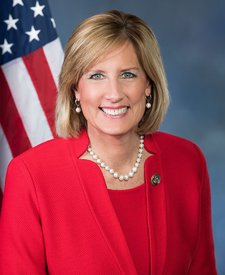
In CommitteeMs. Tenney introduced the following bill; which was referred to …
Referred to the Committee on House Administration, and in addition …
Introduced in House
Stakeholder Effects
cui bono?How this legislation distributes effects. Mention counts reflect frequency, not effect magnitude.
Agency heads under Executive Order 14019, Congressional oversight committees, Election-integrity advocates
Positive-direction: Congressional oversight committees, Election-integrity advocates
Negative-direction: Agency heads under Executive Order 14019
College civic engagement offices, Federal Work-Study programs
Bill Structure & Actor Mappings
Who is "The Secretary" in each section?
We use a combination of our own taxonomy and classification in addition to large language models to assess meaning and potential beneficiaries. High confidence means strong textual evidence. Always verify with the original bill text.
Learn more about our methodology