Click to Cancel Act of 2025
Summary
What This Bill Does
The Click to Cancel Act takes the Federal Trade Commission's November 15, 2024 Negative Option Rule, published at 89 Federal Register 90476, and gives it the force and effect of law. Negative-option rules cover subscriptions, automatic renewals, continuity plans, and other arrangements where consumers are charged unless they cancel. The bill makes violations of the codified rule violations of a regulation under section 18(a)(1)(B) of the FTC Act regarding unfair or deceptive acts or practices. FTC must enforce the statute as if the relevant FTC Act terms and powers were incorporated, and violators receive the same penalties while retaining the same privileges and immunities provided by the FTC Act.
Who Benefits and How
Subscription consumers benefit because the FTC click-to-cancel rule becomes statutory rather than only regulatory. Consumers trapped in negative-option plans benefit if cancellation must be as easy and transparent as the rule requires. Federal Trade Commission enforcement staff benefit from a direct statutory hook for penalties and unfair-or-deceptive-practice treatment. State consumer protection offices benefit indirectly from stronger federal baseline rules for subscription cancellation practices.
Who Bears the Burden and How
Subscription businesses must comply with the codified Negative Option Rule or face FTC Act penalties. Digital marketing teams must design enrollment, consent, reminder, and cancellation flows around the federal rule. Continuity-plan sellers bear compliance costs for cancellation interfaces and recordkeeping. Federal Trade Commission litigators must enforce the rule with the same jurisdiction, powers, and duties incorporated from the FTC Act.
Key Provisions
- Codifies the FTC's November 15, 2024 Negative Option Rule.
- Provides that the click-to-cancel rule has the force and effect of law.
- Treats violations as unfair or deceptive acts or practices under section 18 of the FTC Act.
- Requires FTC enforcement using the same powers, penalties, privileges, and immunities available under the FTC Act.
Evidence Chain:
This summary is generated from the full bill text using AI analysis. Expand "Detailed Analysis" below for identified beneficiaries/burden bearers with clause-level evidence links.
At a Glance
What This Bill Does
Codifies the Federal Trade Commission's November 15, 2024 Negative Option Rule on click-to-cancel subscriptions, gives that rule the force of law, treats violations as unfair or deceptive acts or practices under section 18 of the FTC Act, and gives FTC the same enforcement powers, penalties, privileges, and immunities that apply under the FTC Act.
Key Policy Areas
Consumer Protection, Subscriptions, Federal Trade Commission
Primary Purpose
Codifies the Federal Trade Commission's November 15, 2024 Negative Option Rule on click-to-cancel subscriptions, gives that rule the force of law, treats violations as unfair or deceptive acts or practices under section 18 of the FTC Act, and gives FTC the same enforcement powers, penalties, privileges, and immunities that apply under the FTC Act.
Policy Domains
Resolution provisions
Identified Gains
- Subscription consumers
- Consumers trapped in negative-option plans
- Federal Trade Commission enforcement staff
- State consumer protection offices
Identified Costs
- Subscription businesses
- Digital marketing teams
- Continuity-plan sellers
- Federal Trade Commission litigators
Sponsors
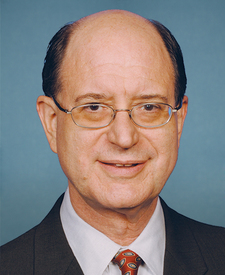




Legislative Progress
In CommitteeMr. Sherman (for himself, Mr. Magaziner, and Mr. Deluzio) introduced …
Referred to the House Committee on Energy and Commerce.
Introduced in House
Stakeholder Effects
cui bono?How this legislation distributes effects. Mention counts reflect frequency, not effect magnitude.
Subscription businesses, Subscription consumers
Positive-direction: Subscription consumers
Negative-direction: Subscription businesses
Bill Structure & Actor Mappings
Who is "The Secretary" in each section?
We use a combination of our own taxonomy and classification in addition to large language models to assess meaning and potential beneficiaries. High confidence means strong textual evidence. Always verify with the original bill text.
Learn more about our methodology