To amend the Immigration and Nationality Act to eliminate the annual numerical limitation on visas for certain immigrants, to require the Secretary of Homeland Security to grant work authorization to certain immigrants with a pending application for nonimmigrant status under such Act, and for other purposes.
Analysis under review: This bill has generated analysis that may be too generic or incomplete. Clause-level evidence remains available below.
Summary
This bill strengthens protections for immigrants who are victims of domestic violence, sexual assault, human trafficking, and other crimes. It removes the annual cap of 10,000 on U visas (for crime victims) and eliminates numerical limits on Special Immigrant Juvenile visas for abused or abandoned children. The bill requires DHS to grant work authorization within 180 days of filing for all victim-based immigration applications. It prohibits the removal or detention of immigrants with pending victim-based cases, creating a presumption of release that can only be overcome by clear and convincing evidence of flight risk or danger. The bill also tightens penalties for government employees who improperly disclose information from victim immigration applications.
Evidence Chain:
This summary is generated from the full bill text using AI analysis. Expand "Detailed Analysis" below for identified beneficiaries/burden bearers.
At a Glance
What This Bill Does
Removes barriers for immigrant survivors of domestic violence, sexual assault, human trafficking, and other crimes by eliminating visa caps, expanding work authorization, preventing detention and removal, and strengthening information protections.
Who Benefits
- Immigrant survivors of domestic violence and sexual assault
- Trafficking victims (T visa applicants)
- Crime victims (U visa applicants)
Who Bears Costs
- DHS/USCIS (increased processing workload)
- ICE (reduced enforcement discretion over crime victim detainees)
Key Policy Areas
Immigration, Civil Rights, Victims Rights
Primary Purpose
Removes barriers for immigrant survivors of domestic violence, sexual assault, human trafficking, and other crimes by eliminating visa caps, expanding work authorization, preventing detention and removal, and strengthening information protections.
Policy Domains
Legislative Strategy
"Strengthen protections for immigrant crime victims by removing numerical caps on humanitarian visas, mandating timely work authorization, prohibiting detention and deportation during case adjudication, and tightening confidentiality rules for applicant information."
Sponsors
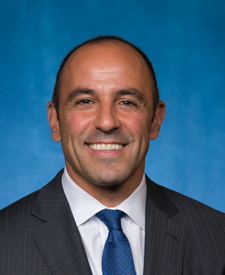
Jimmy Panetta
D-CA | Primary Sponsor
Legislative Progress
IntroducedMr. Panetta (for himself and Ms. Moore of Wisconsin) introduced …
Stakeholder Effects
cui bono?How this legislation distributes effects. Mention counts reflect frequency, not effect magnitude.
Abused, neglected, or abandoned immigrant children, Human trafficking victims, Immigrant crime victims in detention with pending applications
DHS and DOJ employees handling immigration information, Department of Homeland Security, ICE detention operations
Bill Structure & Actor Mappings
Who is "The Secretary" in each section?
- "the_secretary"
- → Secretary of Homeland Security
- "the_attorney_general"
- → Attorney General
- "the_secretary_of_state"
- → Secretary of State
We use a combination of our own taxonomy and classification in addition to large language models to assess meaning and potential beneficiaries. High confidence means strong textual evidence. Always verify with the original bill text.
Learn more about our methodology