WINGS Act
Summary
What This Bill Does
The WINGS Act directs the VA Secretary to study the long-term physiological and psychological effects of military aviation on military aviators. The required study must examine cumulative flight hours, G-force exposure, traumatic brain injury, sub-concussive trauma, cognitive impairment, depression, anxiety, PTSD, suicide risk, neurodegenerative conditions such as chronic traumatic encephalopathy, ALS, and Parkinson's disease, cockpit factors such as helmet design, oxygen systems, and flight suit pressurization, current screening and diagnostic procedures, and recommended monitoring, prevention, and treatment improvements. VA must consult the Defense Secretary, military department Surgeons General, the Defense Health Agency Director, and academic institutions or federally funded research and development centers with aviation medicine, neuroscience, and psychiatry expertise. VA must also establish a centralized Military Aviator Neurohealth Registry with anonymized voluntary health data, flight exposure metrics, health outcomes tracked over time, and longitudinal follow-up.
Who Benefits and How
Military aviator veterans benefit because VA must study brain injury, mental health, suicide risk, neurodegenerative disease, and cockpit exposure patterns specific to their service. Current military aviators benefit indirectly if the study leads to better screening, prevention, monitoring, and treatment for aviation-related trauma. Veterans health researchers benefit from a centralized neurohealth registry with anonymized flight exposure and outcome data. Congressional veterans committees benefit from interim and final reports on the health consequences of high-performance military aviation.
Who Bears the Burden and How
The Department of Veterans Affairs must run a longitudinal study, build the registry, consult expert agencies, and report to Congress. Defense Health Agency officials must coordinate with VA on military aviation medical data and expertise. Military department Surgeons General must support consultation on aviator health, flight exposure, and screening practices. Military aviators who volunteer data may face privacy and participation decisions around registry inclusion.
Key Provisions
- Requires a longitudinal VA study of military flight operations, G-force exposure, brain health, and mental health.
- Creates a voluntary Military Aviator Neurohealth Registry with anonymized health, exposure, outcome, and follow-up data.
- Requires consultation with the Defense Secretary, military Surgeons General, Defense Health Agency, and expert research institutions.
- Requires an interim report within one year and a final report within three years.
Evidence Chain:
This summary is generated from the full bill text using AI analysis. Expand "Detailed Analysis" below for identified beneficiaries/burden bearers with clause-level evidence links.
At a Glance
What This Bill Does
Requires the Secretary of Veterans Affairs to conduct a comprehensive longitudinal study of military aviation, high-performance flight, and G-force exposure on military aviators' brain health and mental health, create a voluntary Military Aviator Neurohealth Registry, consult Defense Department medical leaders and research institutions, and report interim findings within one year and final findings within three years.
Key Policy Areas
Veterans, Military Health, Medical Research
Primary Purpose
Requires the Secretary of Veterans Affairs to conduct a comprehensive longitudinal study of military aviation, high-performance flight, and G-force exposure on military aviators' brain health and mental health, create a voluntary Military Aviator Neurohealth Registry, consult Defense Department medical leaders and research institutions, and report interim findings within one year and final findings within three years.
Policy Domains
Resolution provisions
Identified Gains
- Military aviator veterans
- Current military aviators
- Veterans health researchers
- Congressional veterans committees
Identified Costs
- Department of Veterans Affairs
- Defense Health Agency
- Military Surgeons General
- Registry participants
Sponsors



Legislative Progress
In CommitteeSubcommittee Hearings Held
Referred to the Subcommittee on Health.
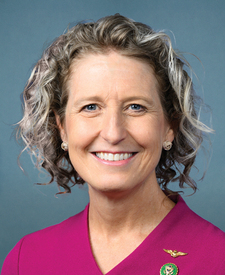
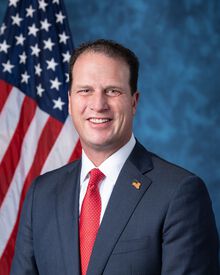
Mrs. Kiggans of Virginia (for herself and Ms. Goodlander) introduced …
Referred to the House Committee on Veterans' Affairs.
Introduced in House
Stakeholder Effects
cui bono?How this legislation distributes effects. Mention counts reflect frequency, not effect magnitude.
Current military aviators, Military Surgeons General
Positive-direction: Current military aviators
Negative-direction: Military Surgeons General
Bill Structure & Actor Mappings
Who is "The Secretary" in each section?
We use a combination of our own taxonomy and classification in addition to large language models to assess meaning and potential beneficiaries. High confidence means strong textual evidence. Always verify with the original bill text.
Learn more about our methodology