Securing Infrastructure from Adversaries Act of 2025
Summary
What This Bill Does
The Securing Infrastructure from Adversaries Act applies foreign technology restrictions to transportation LiDAR. It uses the covered foreign country, covered LiDAR company, covered LiDAR technology, and LiDAR definitions from the fiscal year 2025 defense authorization law. The Transportation Secretary may not procure or obtain covered LiDAR technology, LiDAR from a covered company, or LiDAR produced in or provided by a covered foreign country. DOT also may not enter into, extend, or renew contracts unless the contractor certifies that prohibited LiDAR will not be used in performance. DOT loan and grant agreements must ensure federal funds are not obligated or spent to procure, obtain, or use the covered technology. Case-by-case waivers are allowed only when the Secretary certifies to Senate Commerce and House Transportation committees at least 15 days before the activity that the waiver is in the national interest. The rule applies to obligations, expenditures, and contracts on or after June 30, 2026, with exemptions for vehicle-safety standard exemptions, motor carrier safety waivers, and testing, research, evaluation, analysis, or training related to vehicle safety.
Who Benefits and How
Domestic LiDAR suppliers benefit because DOT procurement, grants, loans, and contracts would shift away from covered foreign-country technology. Transportation infrastructure security officials benefit from a statutory bar on covered adversary-linked LiDAR in federally supported projects. Congressional transportation committees benefit from 15-day national-interest waiver notices before DOT uses prohibited technology. Vehicle safety researchers benefit because the bill preserves testing, evaluation, analysis, and training exceptions.
Who Bears the Burden and How
Transportation Department procurement offices must screen LiDAR purchases, contracts, grants, loans, and waivers for covered foreign technology. Federal transportation contractors must certify that prohibited covered LiDAR will not be used in contract performance. Covered LiDAR companies lose access to DOT-supported procurements and federally funded transportation projects. Grant and loan recipients must avoid obligating or spending federal funds on prohibited LiDAR technology after June 30, 2026.
Key Provisions
- Prohibits DOT procurement, use, and contracting for covered foreign-country LiDAR technology.
- Requires contractor certifications that prohibited LiDAR will not be used in performance.
- Bars DOT grant and loan funds from being spent on covered LiDAR technology.
- Authorizes case-by-case national-interest waivers with 15-day notice to congressional committees.
- Preserves exemptions for vehicle-safety standards, motor carrier safety waivers, and safety research or training.
Evidence Chain:
This summary is generated from the full bill text using AI analysis. Expand "Detailed Analysis" below for identified beneficiaries/burden bearers with clause-level evidence links.
At a Glance
What This Bill Does
Bars the Transportation Secretary from procuring, obtaining, using, contracting for, or funding covered foreign-country LiDAR technology and covered LiDAR company products after June 30, 2026, requires contractor certifications that prohibited LiDAR will not be used, allows national-interest waivers with 15-day congressional notice, and preserves safety-testing and research exemptions.
Key Policy Areas
Transportation, Procurement, National Security
Primary Purpose
Bars the Transportation Secretary from procuring, obtaining, using, contracting for, or funding covered foreign-country LiDAR technology and covered LiDAR company products after June 30, 2026, requires contractor certifications that prohibited LiDAR will not be used, allows national-interest waivers with 15-day congressional notice, and preserves safety-testing and research exemptions.
Policy Domains
Resolution provisions
Identified Gains
- Domestic LiDAR suppliers
- Transportation security officials
- Congressional transportation committees
- Vehicle safety researchers
Identified Costs
- Transportation procurement offices
- Federal transportation contractors
- Covered LiDAR companies
- Grant recipients using LiDAR
Sponsors

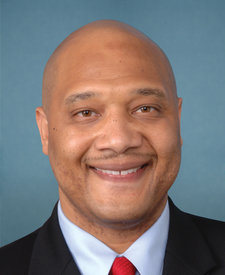



Legislative Progress
In CommitteeReferred to the Subcommittee on Highways and Transit.
Mr. Johnson of South Dakota (for himself, Ms. Brownley, Mr. …
Referred to the House Committee on Transportation and Infrastructure.
Introduced in House
Stakeholder Effects
cui bono?How this legislation distributes effects. Mention counts reflect frequency, not effect magnitude.
Federal transportation contractors, Grant recipients using LiDAR, Transportation security officials
Positive-direction: Transportation security officials
Negative-direction: Federal transportation contractors, Grant recipients using LiDAR
Covered LiDAR companies, Domestic LiDAR suppliers
Positive-direction: Domestic LiDAR suppliers
Negative-direction: Covered LiDAR companies
Bill Structure & Actor Mappings
Who is "The Secretary" in each section?
We use a combination of our own taxonomy and classification in addition to large language models to assess meaning and potential beneficiaries. High confidence means strong textual evidence. Always verify with the original bill text.
Learn more about our methodology