Fisheries Modernization Act of 2025
Summary
What This Bill Does
The Fisheries Modernization Act amends section 312 of the Magnuson-Stevens Fishery Conservation and Management Act. It adds infrastructure-related cause as a covered fishery-disaster cause, defined as operation or failure of federal or state infrastructure such as flood control systems, spillways, levees, and diversions that measurably disrupt commercial or subsistence fishery activity, aquatic habitat, or water quality. It specifically names red swamp crawfish and white river crawfish fisheries, directing disaster determinations to consider hydrological conditions, water-quality degradation, extreme flooding or drought, and other environmental disruptions that directly affect viability. It also preserves existing eligibility for marine or anadromous fisheries, so the new freshwater and infrastructure language expands rather than narrows the disaster program.
Who Benefits and How
Red swamp crawfish producers benefit because their fishery is expressly named for fishery resource disaster consideration. White river crawfish producers benefit from the same explicit eligibility language for environmental and hydrological disruptions. Commercial freshwater fishers benefit because infrastructure operation or failure can now support disaster relief eligibility. Subsistence fishing communities benefit if water infrastructure failures or diversions damage fishery activity, habitat, or water quality.
Who Bears the Burden and How
NOAA fishery disaster officials must evaluate infrastructure-related causes and crawfish-specific environmental data in disaster requests. Federal water infrastructure operators may face more scrutiny when flood systems, spillways, levees, or diversions damage fisheries. State water agencies may be part of the causal record when state infrastructure operation disrupts fishery viability. Federal taxpayers bear the cost if expanded eligibility increases fishery resource disaster assistance.
Key Provisions
- Adds infrastructure-related cause to Magnuson-Stevens fishery resource disaster definitions.
- Defines infrastructure-related cause to include federal or state flood control systems, spillways, levees, and diversions.
- Expands disaster consideration for red swamp crawfish and white river crawfish fisheries.
- Protects existing marine and anadromous fishery disaster eligibility from being limited by the freshwater expansion.
Evidence Chain:
This summary is generated from the full bill text using AI analysis. Expand "Detailed Analysis" below for identified beneficiaries/burden bearers.
At a Glance
What This Bill Does
Expands Magnuson-Stevens fishery resource disaster relief so freshwater fisheries, including red swamp crawfish and white river crawfish fisheries, can qualify when infrastructure operation or failure, hydrological conditions, water-quality degradation, extreme flooding, drought, or similar environmental disruptions measurably disrupt commercial or subsistence fishing, aquatic habitat, or water quality.
Key Policy Areas
Fisheries, Disaster Relief, Water Infrastructure
Primary Purpose
Expands Magnuson-Stevens fishery resource disaster relief so freshwater fisheries, including red swamp crawfish and white river crawfish fisheries, can qualify when infrastructure operation or failure, hydrological conditions, water-quality degradation, extreme flooding, drought, or similar environmental disruptions measurably disrupt commercial or subsistence fishing, aquatic habitat, or water quality.
Policy Domains
Resolution provisions
Identified Gains
Contextual inference, no direct clause citation- Red swamp crawfish producers
- White river crawfish producers
- Commercial freshwater fishers
- Subsistence fishing communities
Contextual inference, no direct clause citation
Identified Costs
Contextual inference, no direct clause citation- NOAA fishery disaster officials
- Federal water infrastructure operators
- State water agencies
- Federal taxpayers
Contextual inference, no direct clause citation
Sponsors
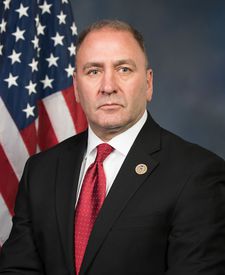

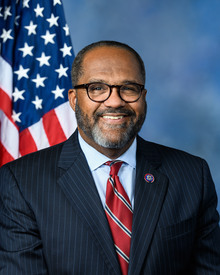
Legislative Progress
In CommitteeMr. Higgins of Louisiana (for himself and Mr. Fields) introduced …
Referred to the House Committee on Natural Resources.
Introduced in House
Bill Structure & Actor Mappings
Who is "The Secretary" in each section?
We use a combination of our own taxonomy and classification in addition to large language models to assess meaning and potential beneficiaries. High confidence means strong textual evidence. Always verify with the original bill text.
Learn more about our methodology