EATS Act of 2025
Summary
What This Bill Does
The EATS Act changes the Food and Nutrition Act's treatment of students. It adds bona fide students enrolled at least half time in a recognized school, training program, or institution of higher education to the listed individuals covered by the household definition. It then removes the current provision that makes many students enrolled in higher education ineligible for SNAP unless they satisfy special student exemptions. The bill takes effect on January 2, 2026. The practical effect is to make SNAP access turn less on a student's postsecondary enrollment status and more on the ordinary SNAP income, household, and benefit rules.
Who Benefits and How
Half-time college students benefit because enrollment in higher education would no longer by itself block SNAP participation. Students in workforce training programs benefit because recognized training enrollment is expressly included in the eligibility language. Campus basic-needs offices benefit because more food-insecure students can be referred into ordinary SNAP eligibility screening. State SNAP agencies benefit from a simpler student rule once the higher-education ineligibility subsection is removed.
Who Bears the Burden and How
USDA Food and Nutrition Service must update SNAP eligibility guidance, systems, and training before the January 2, 2026 effective date. State SNAP eligibility workers must process more student applications under ordinary SNAP rules. Federal taxpayers bear the cost of benefits for newly eligible food-insecure students. Institutions of higher education may face more coordination work with state agencies and campus basic-needs programs.
Key Provisions
- Expands SNAP household language to include bona fide half-time students in recognized education or training programs.
- Repeals the special higher-education student ineligibility provision in section 6(e).
- Requires the student eligibility change to take effect on January 2, 2026.
- Uses ordinary SNAP eligibility rules rather than categorical exclusion based on student status.
Evidence Chain:
This summary is generated from the full bill text using AI analysis. Expand "Detailed Analysis" below for identified beneficiaries/burden bearers with clause-level evidence links.
At a Glance
What This Bill Does
Expands SNAP eligibility for bona fide students enrolled at least half time in recognized schools, training programs, or institutions of higher education by adding them to the Food and Nutrition Act household definition, striking the higher-education student ineligibility rule, and setting a January 2, 2026 effective date.
Key Policy Areas
Nutrition Assistance, Higher Education, Anti-Poverty
Primary Purpose
Expands SNAP eligibility for bona fide students enrolled at least half time in recognized schools, training programs, or institutions of higher education by adding them to the Food and Nutrition Act household definition, striking the higher-education student ineligibility rule, and setting a January 2, 2026 effective date.
Policy Domains
Resolution provisions
Identified Gains
- Half-time college students
- Workforce training students
- Campus basic-needs offices
- State SNAP agencies
Identified Costs
- USDA Food and Nutrition Service
- State SNAP eligibility workers
- Federal taxpayers
- Institutions of higher education
Sponsors
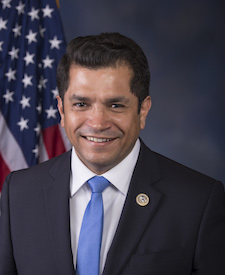
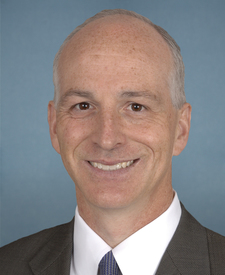


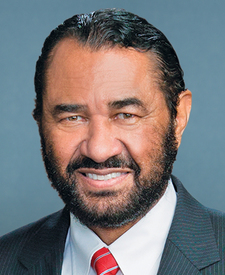
Legislative Progress
In CommitteeMr. Gomez (for himself, Ms. Adams, Mr. Costa, Mr. Harder …
Referred to the House Committee on Agriculture.
Introduced in House
Stakeholder Effects
cui bono?How this legislation distributes effects. Mention counts reflect frequency, not effect magnitude.
Campus basic-needs offices, Half-time college students
Bill Structure & Actor Mappings
Who is "The Secretary" in each section?
We use a combination of our own taxonomy and classification in addition to large language models to assess meaning and potential beneficiaries. High confidence means strong textual evidence. Always verify with the original bill text.
Learn more about our methodology