Keep USGS Strong Act
Summary
What This Bill Does
The Keep USGS Strong Act uses extensive findings to explain USGS work on Great Lakes water quality, invasive species, harmful algal blooms, seismic monitoring, groundwater and surface-water data, geospatial mapping, volcanoes, landslides, floods, ecosystems, biodiversity, mineral resources, energy resources, open data, and public safety. The operative section then protects USGS capacity. Notwithstanding other law, USGS is exempt from the January 20, 2025 Hiring Freeze presidential memorandum and any extension, exempt from reductions in force or other significant employee reductions when Congress has appropriated salary and expense funds, and protected from cancellation of real property leases unless the USGS Director approves. The bill is therefore a workforce and facilities shield for a scientific bureau rather than a new research program.
Who Benefits and How
USGS scientists benefit because the bureau would not be subject to the 2025 hiring freeze or covered reductions in force. Great Lakes communities benefit indirectly from continuity in water-quality, invasive-species, ecosystem, and harmful-algal-bloom monitoring. Earthquake and natural hazard planners benefit if USGS staffing remains available for seismic, volcano, landslide, flood, and warning data. Water managers and map users benefit from continuity in groundwater, surface-water, geospatial, mineral, energy, and open-data programs.
Who Bears the Burden and How
Executive branch workforce offices lose flexibility to apply the hiring freeze or staff reductions to USGS. Federal budget officials must respect congressional salary and expense appropriations before reducing USGS employees. Federal property managers cannot cancel USGS leases without approval from the USGS Director. Federal taxpayers bear the cost of maintaining USGS staffing and leases that might otherwise be reduced.
Key Provisions
- Exempts USGS from the January 20, 2025 Hiring Freeze memorandum and any extension.
- Prohibits reductions in force or significant USGS staff reductions where Congress has appropriated salary and expense funds.
- Requires USGS Director approval before cancellation of USGS real property leases.
- Protects scientific capacity for water, hazards, mapping, ecosystems, mineral, energy, and open-data work.
Evidence Chain:
This summary is generated from the full bill text using AI analysis. Expand "Detailed Analysis" below for identified beneficiaries/burden bearers with clause-level evidence links.
At a Glance
What This Bill Does
Exempts the United States Geological Survey from the January 20, 2025 presidential hiring freeze, any extension of that freeze, reductions in force or significant staff reductions where Congress has appropriated salary and expense funding, and lease cancellations not approved by the USGS Director.
Key Policy Areas
Science, Federal Workforce, Natural Resources
Primary Purpose
Exempts the United States Geological Survey from the January 20, 2025 presidential hiring freeze, any extension of that freeze, reductions in force or significant staff reductions where Congress has appropriated salary and expense funding, and lease cancellations not approved by the USGS Director.
Policy Domains
Resolution provisions
Identified Gains
- USGS scientists
- Great Lakes communities
- Natural hazard planners
- Water managers
Identified Costs
- Executive workforce offices
- Federal budget officials
- Federal property managers
- Federal taxpayers
Sponsors
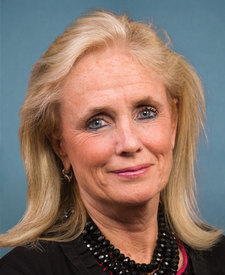

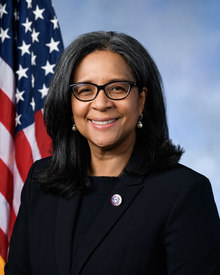

Legislative Progress
In CommitteeMrs. Dingell (for herself, Ms. DelBene, and Ms. Strickland) introduced …
Referred to the House Committee on Natural Resources.
Introduced in House
Stakeholder Effects
cui bono?How this legislation distributes effects. Mention counts reflect frequency, not effect magnitude.
Executive workforce offices, Federal property managers
Bill Structure & Actor Mappings
Who is "The Secretary" in each section?
We use a combination of our own taxonomy and classification in addition to large language models to assess meaning and potential beneficiaries. High confidence means strong textual evidence. Always verify with the original bill text.
Learn more about our methodology