To require the appropriate Federal banking agencies to establish a 3-year phase-in period for de novo financial institutions to comply with Federal capital standards, to provide relief for de novo rural community banks, and for other purposes.
Sponsors
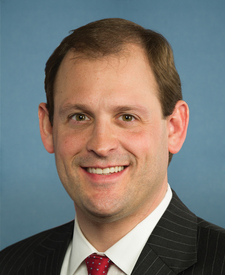

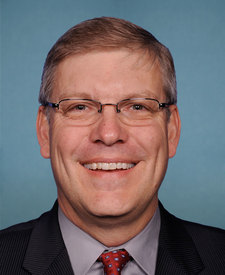
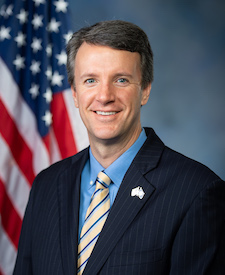
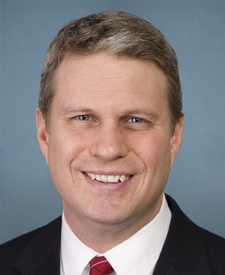
Legislative Progress
ReportedAdditional sponsors: Mr. Meuser, Mr. Downing, Mr. Loudermilk, Ms. De …
Reported with an amendment, committed to the Committee of the …
Mr. Barr introduced the following bill; which was referred to …
Summary
What This Bill Does
The Promoting New Bank Formation Act makes it easier to start new banks (called "de novo" banks) by reducing regulatory requirements during their first three years of operation. The bill also expands lending authority for federal savings associations to include agricultural loans and requires a study on why so few new banks have been chartered in recent years.
Who Benefits and How
De novo bank founders and investors benefit from a 3-year phase-in period for meeting federal capital requirements, reducing the initial capital needed to launch a bank. Rural de novo banks benefit from lower leverage ratio requirements (8% instead of the standard rate) during their first three years. Federal savings associations gain the ability to make agricultural loans, opening up a new revenue stream. Agricultural borrowers benefit from having more lending options, potentially getting better rates and terms. Underserved rural communities could benefit from increased access to banking services if the reduced regulatory burdens lead to more banks being established in their areas.
Who Bears the Burden and How
Federal banking agencies (FDIC, Federal Reserve, and OCC) must create new rules for the phase-in periods, process business plan change requests within 30 days (or they are automatically approved), and conduct a comprehensive study on de novo bank formation - all of which increase their administrative workload. Traditional agricultural lenders (like Farm Credit System institutions and agricultural banks) may face increased competition from federal savings associations entering the agricultural lending market. Bank depositors and taxpayers face potentially higher risk if the reduced capital requirements during the startup period increase the likelihood of bank failures.
Key Provisions
- Federal banking agencies must establish a 3-year phase-in period for new banks to meet federal capital requirements, starting from the date they become insured depository institutions
- New banks can request changes to their approved business plans during their first 3 years, and regulators must approve or deny within 30 days or the request is automatically approved
- Rural banks (under billion in assets) get a phased-in Community Bank Leverage Ratio starting at 8% during their first 3 years
- Federal savings associations are explicitly authorized to make secured or unsecured agricultural loans for the first time
- Federal banking agencies must study why de novo bank formation has been so low over the past 10 years and report to Congress within one year on ways to promote new banks in underserved areas
Evidence Chain:
This summary is derived from the structured analysis below. See "Detailed Analysis" for per-title beneficiaries/burden bearers with clause-level evidence links.
Primary Purpose
To ease regulatory requirements for newly formed depository institutions (de novo banks) during their first three years of operation
Policy Domains
Legislative Strategy
"Reduce regulatory barriers and compliance costs for newly formed banks to encourage de novo bank formation, with special provisions for rural and agricultural lending"
Likely Beneficiaries
- De novo bank founders and investors (reduced capital requirements during startup phase)
- Rural community banks (lower leverage ratio requirements)
- Federal savings associations (expanded agricultural lending authority)
- Agricultural borrowers (more lending sources)
- Underserved communities (potential for new local banks)
Likely Burden Bearers
- Federal banking agencies (must create new rules, process business plan changes within 30 days, conduct study)
- Existing banks (potential new competition from de novo banks)
- Bank depositors and taxpayers (potentially higher risk if new banks fail due to relaxed standards)
Bill Structure & Actor Mappings
Who is "The Secretary" in each section?
- "federal_banking_agencies"
- → Federal Deposit Insurance Corporation (FDIC), Federal Reserve, Office of the Comptroller of the Currency (OCC)
- "appropriate_federal_banking_agency"
- → The primary federal regulator for a given depository institution
- "federal_banking_agencies"
- → FDIC, Federal Reserve, OCC (collectively)
- "appropriate_federal_banking_agency"
- → The primary federal regulator for the depository institution
- "federal_banking_agencies"
- → FDIC, Federal Reserve, OCC (collectively)
- "federal_savings_associations"
- → Savings and loan associations regulated under the Home Owners' Loan Act
- "federal_banking_agencies"
- → FDIC, Federal Reserve, OCC (jointly conducting study)
Note: No significant scope conflicts detected - 'Federal banking agencies' consistently refers to FDIC, Federal Reserve, and OCC throughout
Key Definitions
Terms defined in this bill
Has the meaning given under section 3 of the Federal Deposit Insurance Act
Has the meaning given under section 201(a) of the Economic Growth, Regulatory Relief, and Consumer Protection Act (12 U.S.C. 5371 note)
A depository institution with total consolidated assets of less than $10 billion and located in a rural area as defined under section 1026.35(b)(iv)(A) of title 12, Code of Federal Regulations
Has the meaning given under section 3 of the Federal Deposit Insurance Act
Has the meaning given under section 3 of the Federal Deposit Insurance Act
Has the meaning given under section 3 of the Federal Deposit Insurance Act
Has the meaning given under section 3 of the Federal Deposit Insurance Act
We use a combination of our own taxonomy and classification in addition to large language models to assess meaning and potential beneficiaries. High confidence means strong textual evidence. Always verify with the original bill text.
Learn more about our methodology