No Russian Tunnel to Crimea Act
Summary
What This Bill Does
The No Russian Tunnel to Crimea Act responds to Russia's 2014 annexation of Crimea, Russia's use of Crimea in its full-scale invasion of Ukraine, and reports that Russian and Chinese business officials discussed a tunnel from the Russian mainland to occupied Crimea. The President must impose sanctions on any foreign person who knowingly participates in construction, maintenance, or repair of a tunnel or bridge connecting the Russian mainland with the Crimean peninsula. Sanctions include blocking and prohibiting transactions in property or property interests in the United States or within U.S. possession or control under International Emergency Economic Powers Act authorities. Covered aliens are inadmissible, ineligible for visas or other entry documentation, ineligible for admission or parole, and ineligible for other Immigration and Nationality Act benefits; already issued visas or entry documents must be revoked immediately and revocation cancels other valid entry documents. Exceptions preserve U.S. obligations under the UN Headquarters Agreement, agricultural commodities, food, medicine, medical devices, humanitarian assistance, humanitarian finance, humanitarian transport, and authorized intelligence, law enforcement, or national security activities. Classified information may be submitted ex parte and in camera during judicial review, without creating a right to judicial review. IEEPA penalties apply to violations, and the President may waive sanctions with 15 days advance certification to foreign affairs committees that the waiver is important to U.S. national security.
Who Benefits and How
Ukraine benefits from U.S. sanctions aimed at blocking infrastructure that would deepen Russia's connection to occupied Crimea. U.S. sanctions enforcement agencies benefit from clear mandatory authority against foreign tunnel or bridge participants. Crimea-related accountability advocates benefit from sanctions covering construction, maintenance, and repair actors. Humanitarian organizations benefit from exceptions for food, medicine, medical devices, and humanitarian assistance.
Who Bears the Burden and How
Foreign construction firms participating in a Russia-Crimea tunnel or bridge face property blocking and visa consequences. Foreign executives involved in covered projects may become inadmissible and lose visas or entry documents. President, State Department, Homeland Security, and Treasury must identify covered persons, impose sanctions, manage exceptions, and handle waivers. U.S. persons must avoid prohibited transactions with sanctioned foreign persons.
Key Provisions
- Requires sanctions on foreign persons participating in Russia-Crimea tunnel or bridge construction, maintenance, or repair.
- Blocks property and transactions under IEEPA authorities.
- Requires visa inadmissibility and immediate revocation for covered aliens.
- Provides exceptions for humanitarian activity, UN obligations, and authorized U.S. intelligence or law-enforcement activity.
- Authorizes national-security waivers with 15 days advance congressional certification.
Evidence Chain:
This summary is generated from the full bill text using AI analysis. Expand "Detailed Analysis" below for identified beneficiaries/burden bearers with clause-level evidence links.
At a Glance
What This Bill Does
Requires sanctions on foreign persons knowingly participating in construction, maintenance, or repair of a tunnel or bridge connecting mainland Russia with Crimea, including property blocking under IEEPA authorities and visa inadmissibility or revocation, while preserving humanitarian, UN Headquarters Agreement, intelligence, law-enforcement, national-security, classified-information, and national-security waiver exceptions.
Key Policy Areas
Foreign Policy, Sanctions, Ukraine
Primary Purpose
Requires sanctions on foreign persons knowingly participating in construction, maintenance, or repair of a tunnel or bridge connecting mainland Russia with Crimea, including property blocking under IEEPA authorities and visa inadmissibility or revocation, while preserving humanitarian, UN Headquarters Agreement, intelligence, law-enforcement, national-security, classified-information, and national-security waiver exceptions.
Policy Domains
Resolution provisions
Identified Gains
- Ukraine
- U.S. sanctions enforcement agencies
- Crimea accountability advocates
- Humanitarian organizations
Identified Costs
- Foreign construction firms
- Foreign executives
- President
- State Department
- Homeland Security
- Treasury Department
- U.S. persons
Sponsors
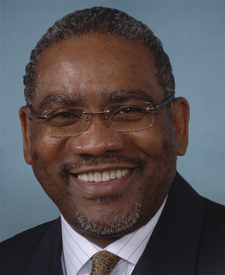
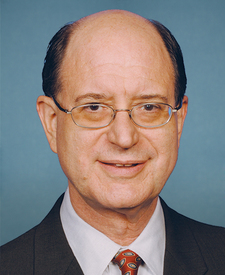

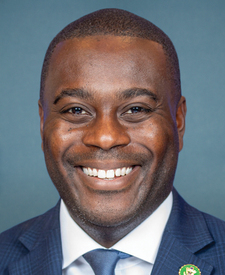
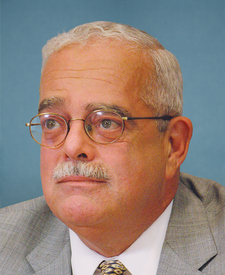
Legislative Progress
In CommitteeMr. Meeks (for himself, Mr. Connolly, Mr. Wilson of South …
Referred to the Committee on Foreign Affairs, and in addition …
Introduced in House
Stakeholder Effects
cui bono?How this legislation distributes effects. Mention counts reflect frequency, not effect magnitude.
State Department, Treasury Department, U.S. sanctions enforcement agencies
Positive-direction: Ukraine
Negative-direction: State Department, Treasury Department
Bill Structure & Actor Mappings
Who is "The Secretary" in each section?
We use a combination of our own taxonomy and classification in addition to large language models to assess meaning and potential beneficiaries. High confidence means strong textual evidence. Always verify with the original bill text.
Learn more about our methodology