To direct the Secretary of Agriculture to remove nonambulatory pigs from the United States food system, to establish an online portal for confidential complaints, and for other purposes.
Analysis under review: This bill has generated analysis that may be too generic or incomplete. Clause-level evidence remains available below.
Summary
What This Bill Does
This bill removes nonambulatory pigs (pigs that cannot walk unassisted) from the U.S. food system by requiring they be humanely euthanized rather than processed for food. It also establishes strict transportation standards for live pigs, creates new OSHA workplace safety requirements for workers handling pigs, and provides whistleblower protections for employees who report violations.
Who Benefits and How
Animal welfare organizations and consumers benefit from improved treatment of livestock and reduced public health risks from diseased animals entering the food supply. Workers at slaughterhouses and packing facilities benefit from new safety training requirements and protections against retaliation. Public health is protected by keeping potentially diseased animals out of food processing.
Who Bears the Burden and How
Pork industry operators (packers, stockyards, slaughter facilities) face significant new compliance costs including: mandatory euthanasia of nonambulatory pigs, recordkeeping and reporting requirements, equipment upgrades for humane handling, and worker training costs. Transportation companies must meet new temperature and space requirements for transporting pigs.
Key Provisions
- Bans the sale, slaughter, or processing of nonambulatory pigs for food
- Requires immediate humane euthanization of nonambulatory pigs with specific approved methods
- Mandates temperature-controlled transportation (50-75 degrees F) with space for pigs to turn around and lie down
- Creates OSHA standards for handling nonambulatory pigs within 2 years
- Establishes online portal for confidential complaints and whistleblower protections
Evidence Chain:
This summary is generated from the full bill text using AI analysis. Expand "Detailed Analysis" below for identified beneficiaries/burden bearers.
At a Glance
What This Bill Does
Requires humane euthanization of nonambulatory pigs, bans their entry into the food system, establishes transportation standards for pigs, and creates worker protections and whistleblower provisions
Key Policy Areas
Agriculture, Food Safety, Animal Welfare, Worker Safety
Primary Purpose
Requires humane euthanization of nonambulatory pigs, bans their entry into the food system, establishes transportation standards for pigs, and creates worker protections and whistleblower provisions
Policy Domains
Title I - Removal of Nonambulatory Pigs from Food System
Identified Gains
Contextual inference, no direct clause citation- Animal welfare advocates
- Consumers concerned about food safety
- Workers at covered facilities
Contextual inference, no direct clause citation
Identified Costs
Contextual inference, no direct clause citation- Pork industry packers and processors
- Slaughter facilities
- Livestock transportation companies
- Stockyards and market agencies
Contextual inference, no direct clause citation
Title II - Transparency and Whistleblower Protections
Identified Gains
Contextual inference, no direct clause citation- Workers who witness violations
- Public interest in enforcement
Contextual inference, no direct clause citation
Identified Costs
Contextual inference, no direct clause citation- Covered entities subject to complaints
- USDA (administrative burden)
Contextual inference, no direct clause citation
Sponsors
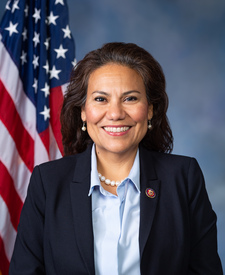
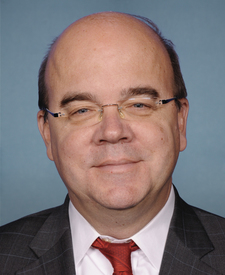
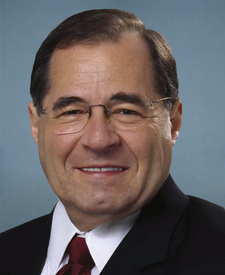
Legislative Progress
IntroducedMs. Escobar (for herself, Mr. Nadler, and Mr. McGovern) introduced …
Stakeholder Effects
cui bono?How this legislation distributes effects. Mention counts reflect frequency, not effect magnitude.
Covered entities (employers), Covered entities (packers, processors, etc.), Pork industry entities covered by definitions
Centers for Disease Control and Prevention, FSIS inspectors, OSHA/Department of Labor
Livestock transportation companies, Livestock transportation providers
Workers at covered facilities, Workers handling livestock
Bill Structure & Actor Mappings
Who is "The Secretary" in each section?
- "the_secretary"
- → Secretary of Agriculture
- "the_administrator"
- → Administrator of the Food Safety and Inspection Service
- "the_secretary"
- → Secretary of Agriculture
- "secretary_of_labor"
- → Secretary of Labor
Key Definitions
Terms defined in this bill
A stockyard, market agency, packer, dealer, slaughter facility, or establishment subject to Federal Meat Inspection Act
Any swine that cannot stand or walk unassisted
Any employee, former employee, contractor, or other person who has worked or is currently working for or with a covered entity
We use a combination of our own taxonomy and classification in addition to large language models to assess meaning and potential beneficiaries. High confidence means strong textual evidence. Always verify with the original bill text.
Learn more about our methodology