Patawomeck Indian Tribe of Virginia Federal Recognition Act
Summary
What This Bill Does
The Patawomeck Indian Tribe of Virginia Federal Recognition Act recognizes the Patawomeck Indian Tribe. The findings document the Tribe's presence around Indian Point, Pasapatanzy, Stafford County, and King George County; early contact recorded by Captain John Smith and Samuel Argall; the silver badge issued to Wahanganoche; the 1666 war against the Patawomecks; later community continuity around White Oak church and Stafford County; record destruction and racial classification harms under Virginia's Racial Integrity Act; removal of ancestors from graves; language reconstruction work; and Virginia state recognition in 2010. The operative sections define the Secretary as Interior, recognize enrolled tribal members and future members under the Tribe's rolls, extend federal recognition, and apply generally applicable federal Indian laws unless inconsistent. The Tribe and members become eligible for federal services and benefits available to recognized tribes without an existing reservation, and the service area is King George, Spotsylvania, and Stafford counties. The most recent membership roll and governing documents submitted to Interior before enactment control, and the governing body is the one in place at enactment or later elected under tribal procedures. At the Tribe's request, Interior may take fee land into trust within the three service-area counties, must make a final written decision within three years, and must treat trust land as part of the reservation if the Tribe requests it. The Tribe may not conduct gaming under inherent authority, federal law, the Indian Gaming Regulatory Act, or National Indian Gaming Commission regulations. The Act does not expand or reduce hunting, fishing, trapping, gathering, or water rights, and eminent domain cannot be used to acquire lands for a tribe recognized under the Act.
Who Benefits and How
Patawomeck tribal members benefit from federal recognition and eligibility for services and benefits available to recognized tribes. Patawomeck tribal government benefits from recognition of its governing body, membership roll, governing documents, and potential trust land. Patawomeck communities in King George, Spotsylvania, and Stafford counties benefit from a defined federal service area. Virginia tribal heritage organizations benefit from congressional findings documenting Patawomeck continuity, language work, and historical harms.
Who Bears the Burden and How
Interior Secretary must administer recognition, service-area treatment, governing-document recognition, and trust-land requests. Federal agencies providing Indian services must treat the Tribe and members as eligible without requiring an existing reservation. National Indian Gaming Commission and tribal gaming interests are constrained because the bill bars gaming by the Tribe. Federal taxpayers bear costs of services and benefits extended after recognition.
Key Provisions
- Extends federal recognition to the Patawomeck Indian Tribe.
- Provides eligibility for federal Indian services and benefits without requiring an existing reservation.
- Defines King George, Spotsylvania, and Stafford counties as the service area.
- Authorizes Interior to take fee land into trust within the service-area counties and requires a written decision within three years.
- Prohibits gaming, preserves existing rights, and bars eminent-domain land acquisition.
Evidence Chain:
This summary is generated from the full bill text using AI analysis. Expand "Detailed Analysis" below for identified beneficiaries/burden bearers with clause-level evidence links.
At a Glance
What This Bill Does
Extends federal recognition to the Patawomeck Indian Tribe, applies generally applicable federal Indian laws, makes the Tribe and members eligible for federal services and benefits without requiring an existing reservation, defines a Virginia service area, uses the Tribe's submitted roll and governing documents, authorizes trust land in King George, Spotsylvania, and Stafford counties with a three-year Interior decision deadline, bars gaming, preserves hunting, fishing, trapping, gathering, and water rights, and prohibits eminent domain for land acquisition.
Key Policy Areas
Tribal Affairs, Virginia, Federal Recognition
Primary Purpose
Extends federal recognition to the Patawomeck Indian Tribe, applies generally applicable federal Indian laws, makes the Tribe and members eligible for federal services and benefits without requiring an existing reservation, defines a Virginia service area, uses the Tribe's submitted roll and governing documents, authorizes trust land in King George, Spotsylvania, and Stafford counties with a three-year Interior decision deadline, bars gaming, preserves hunting, fishing, trapping, gathering, and water rights, and prohibits eminent domain for land acquisition.
Policy Domains
Resolution provisions
Identified Gains
- Patawomeck tribal members
- Patawomeck tribal government
- Patawomeck communities
- Virginia tribal heritage organizations
Identified Costs
- Interior Secretary
- Federal Indian service agencies
- National Indian Gaming Commission
- Federal taxpayers
Sponsors

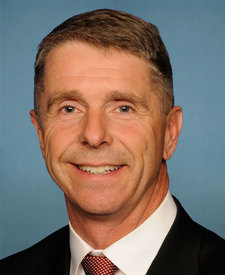
Legislative Progress
In CommitteeMr. Vindman (for himself and Mr. Wittman) introduced the following …
Referred to the House Committee on Natural Resources.
Introduced in House
Stakeholder Effects
cui bono?How this legislation distributes effects. Mention counts reflect frequency, not effect magnitude.
Federal Indian service agencies, Interior Secretary, National Indian Gaming Commission
Patawomeck communities, Patawomeck tribal members
Bill Structure & Actor Mappings
Who is "The Secretary" in each section?
We use a combination of our own taxonomy and classification in addition to large language models to assess meaning and potential beneficiaries. High confidence means strong textual evidence. Always verify with the original bill text.
Learn more about our methodology