Community Mental Wellness and Resilience Act of 2025
Summary
What This Bill Does
The Community Mental Wellness and Resilience Act adds a new section 317W to the Public Health Service Act. HHS must award planning grants, capped at $250,000, to eligible nonprofit or community-based organizations with support from at least three other eligible entities to organize a mental wellness and resilience coordinating network, perform needs assessments, and prepare a program-grant application. HHS must also award competitive program grants to resilience coordinating networks to establish, operate, or expand community mental wellness and resilience programs, capped at $500,000 per year for up to four years. Twenty percent of annual program funds must be reserved for rural areas, which may include multiple towns in a county or region. Funded programs must use a public health approach to mental health prevention and promotion: collect resident and quantitative data on protective and risk factors, strengthen protective factors, build community awareness and skills, and develop a strategic plan using developmentally, linguistically, culturally appropriate, evidence-based, evidence-informed, promising-best, or indigenous practices. Networks must include representatives from at least five categories such as community organizations, schools, youth programs, family programs, faith organizations, senior care, environmental groups, justice groups, emergency response, businesses, police and fire agencies, health and social-service professionals, and the general public. HHS must provide technical assistance and report to Congress by December 31, 2030 on best practices, outputs, and outcomes. The bill authorizes $36 million for fiscal years 2025 through 2029, with no more than 5 percent for technical assistance.
Who Benefits and How
Community-based organizations benefit from planning grants and program grants for mental wellness and resilience networks. Rural communities benefit from a 20 percent set-aside for community mental wellness and resilience programs outside urban and suburban areas. Adults and youth benefit from prevention-focused programs that build protective factors before mental health conditions worsen. Mental health professionals benefit from coordinated networks that include health, social-service, school, emergency, and community partners. Trauma-affected communities benefit from nonclinical group and community-minded prevention and recovery programs.
Who Bears the Burden and How
HHS Secretary must administer planning grants, program grants, technical assistance, definitions, set-asides, and a 2030 report. Resilience coordinating networks must include representatives from at least five listed community sectors. Grant recipients must collect data, identify risk and protective factors, build skills, and evaluate strategic plans. Federal taxpayers fund the $36 million authorization for fiscal years 2025 through 2029.
Key Provisions
- Creates planning grants of up to $250,000 for eligible organizations forming resilience coordinating networks.
- Authorizes program grants of up to $500,000 per year for up to four years.
- Requires a 20 percent rural set-aside for community mental wellness and resilience programs.
- Requires funded programs to use public-health prevention and promotion methods for mental wellness.
- Requires technical assistance and a December 31, 2030 congressional report on best practices, outputs, and outcomes.
Evidence Chain:
This summary is generated from the full bill text using AI analysis. Expand "Detailed Analysis" below for identified beneficiaries/burden bearers with clause-level evidence links.
At a Glance
What This Bill Does
Creates Public Health Service Act planning and program grants for community mental wellness and resilience networks, with planning grants up to $250,000, program grants up to $500,000 per year for up to four years, a 20 percent rural set-aside, required public-health prevention and promotion activities, technical assistance, a 2030 congressional report, and $36 million authorized for fiscal years 2025 through 2029.
Key Policy Areas
Mental Health, Public Health, Community Development
Primary Purpose
Creates Public Health Service Act planning and program grants for community mental wellness and resilience networks, with planning grants up to $250,000, program grants up to $500,000 per year for up to four years, a 20 percent rural set-aside, required public-health prevention and promotion activities, technical assistance, a 2030 congressional report, and $36 million authorized for fiscal years 2025 through 2029.
Policy Domains
Resolution provisions
Identified Gains
- Community-based organizations
- Rural communities
- Adults
- Youth
- Mental health professionals
- Trauma-affected communities
Identified Costs
- HHS Secretary
- Resilience coordinating networks
- Grant recipients
- Federal taxpayers
Sponsors

Legislative Progress
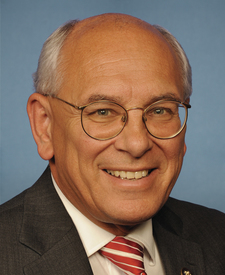
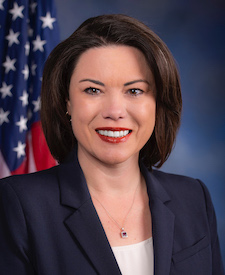
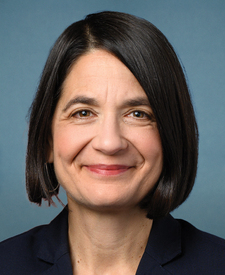
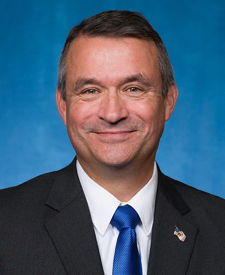
In CommitteeMr. Tonko (for himself, Mr. Fitzpatrick, Mr. Bacon, and Ms. …
Referred to the House Committee on Energy and Commerce.
Introduced in House
Stakeholder Effects
cui bono?How this legislation distributes effects. Mention counts reflect frequency, not effect magnitude.
Adults, Mental health professionals, Youth
Resilience coordinating networks
Bill Structure & Actor Mappings
Who is "The Secretary" in each section?
We use a combination of our own taxonomy and classification in addition to large language models to assess meaning and potential beneficiaries. High confidence means strong textual evidence. Always verify with the original bill text.
Learn more about our methodology