Lumbee Fairness Act
Summary
What This Bill Does
The Lumbee Fairness Act rewrites the 1956 Lumbee statute to provide federal recognition. It defines the Tribe as the Lumbee Tribe of North Carolina or Lumbee Indians of North Carolina and extends federal recognition to the Tribe, designated petitioner number 65 by the Office of Federal Acknowledgment. All generally applicable federal Indian laws and regulations would apply to the Tribe and its members, and any non-enrolled Indian group in Robeson and adjoining counties could still petition under 25 CFR part 83. The Tribe and its members become eligible for all federal services and benefits provided to federally recognized tribes. For service delivery, members in Robeson, Cumberland, Hoke, and Scotland counties are treated as residing on or near an Indian reservation. After the Tribe submits a digitized roll with supporting proof, Interior must verify documentary compliance with the Tribe's November 16, 2001 constitution within two years; the verified roll defines the service population. Interior and HHS must consult with the Tribe, determine service needs, and submit written needs statements to Congress after verification. Interior may take land into trust for the Tribe, and trust applications in Robeson County are treated as on-reservation acquisitions. North Carolina retains jurisdiction over criminal offenses and civil actions on tribal land in the state, but Interior may accept a later transfer of state jurisdiction to the United States after consulting DOJ and under an agreement with the Tribe and state, with a two-year delayed effective date. The Indian Child Welfare Act agreement provision is preserved.
Who Benefits and How
Lumbee Tribe members benefit from federal recognition and eligibility for services and benefits available to federally recognized tribes. Lumbee members in Robeson, Cumberland, Hoke, and Scotland counties benefit from on-or-near-reservation treatment for service delivery. Lumbee tribal government benefits from authority to seek land into trust and from formal federal consultation on service needs. Robeson County trust applications benefit from on-reservation acquisition treatment under Interior rules.
Who Bears the Burden and How
Interior Secretary must verify the tribal roll, process trust applications, consult on needs, and submit a needs statement to Congress. HHS Secretary must consult with the Tribe and submit a written statement of health and service needs. State of North Carolina retains criminal and civil jurisdiction unless a later transfer agreement occurs. Federal taxpayers bear costs of benefits and services extended to the recognized Tribe and members.
Key Provisions
- Extends federal recognition to the Lumbee Tribe of North Carolina.
- Provides eligibility for federal services and benefits available to federally recognized tribes.
- Requires Interior to verify the tribal roll within two years of a digitized submission.
- Authorizes Interior to take land into trust, with Robeson County applications treated as on-reservation acquisitions.
- Preserves North Carolina criminal and civil jurisdiction unless transferred later by agreement.
Evidence Chain:
This summary is generated from the full bill text using AI analysis. Expand "Detailed Analysis" below for identified beneficiaries/burden bearers with clause-level evidence links.
At a Glance
What This Bill Does
Extends federal recognition to the Lumbee Tribe of North Carolina, makes the Tribe and members eligible for federal services and benefits for recognized tribes, treats members in Robeson, Cumberland, Hoke, and Scotland counties as living on or near a reservation for service delivery, requires Interior and HHS needs statements after tribal-roll verification, authorizes land into trust including on-reservation treatment in Robeson County, and leaves North Carolina with criminal and civil jurisdiction unless transferred later by agreement.
Key Policy Areas
Tribal Affairs, North Carolina, Federal Recognition
Primary Purpose
Extends federal recognition to the Lumbee Tribe of North Carolina, makes the Tribe and members eligible for federal services and benefits for recognized tribes, treats members in Robeson, Cumberland, Hoke, and Scotland counties as living on or near a reservation for service delivery, requires Interior and HHS needs statements after tribal-roll verification, authorizes land into trust including on-reservation treatment in Robeson County, and leaves North Carolina with criminal and civil jurisdiction unless transferred later by agreement.
Policy Domains
Resolution provisions
Identified Gains
- Lumbee Tribe members
- Lumbee tribal government
- Robeson County Lumbee members
- Lumbee service population
Identified Costs
- Interior Secretary
- HHS Secretary
- State of North Carolina
- Federal taxpayers
Sponsors

Legislative Progress
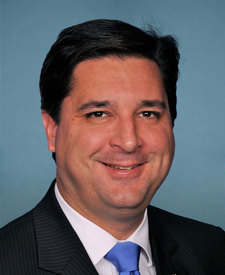
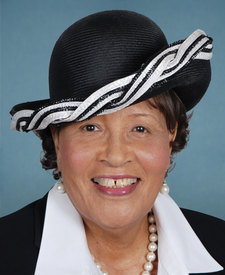
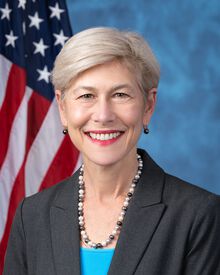
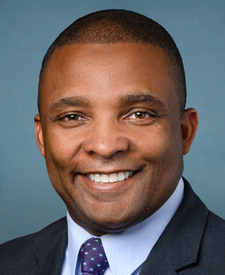
In CommitteeMr. Rouzer (for himself, Mr. Harris of North Carolina, Mr. …
Referred to the House Committee on Natural Resources.
Introduced in House
Stakeholder Effects
cui bono?How this legislation distributes effects. Mention counts reflect frequency, not effect magnitude.
HHS Secretary, Interior Secretary, Lumbee tribal government
Lumbee Tribe members, Robeson County Lumbee members
Bill Structure & Actor Mappings
Who is "The Secretary" in each section?
We use a combination of our own taxonomy and classification in addition to large language models to assess meaning and potential beneficiaries. High confidence means strong textual evidence. Always verify with the original bill text.
Learn more about our methodology