Ensuring Casualty Assistance for our Firefighters Act
Summary
What This Bill Does
This bill requires the Interior Secretary to develop a Wildland Fire Management Casualty Assistance Program within six months. The program must assist next of kin of firefighters who suffer line-of-duty illness or are critically injured or killed, and next of kin of wildland fire support personnel critically injured or killed in the line of duty.
The program must address initial and later notifications, reimbursement of next-of-kin travel expenses to visit injured, ill, or killed personnel, qualifications and duties of casualty assistance officers, officer reassignment notices, centralized short-term and long-term case management, rapid access to expert case managers and counselors, and no-cost website or other benefit information for survivors and next of kin.
Who Benefits and How
Families and next of kin of federal wildland firefighters benefit from structured notifications, travel reimbursement, benefit information, and case-management support after death, critical injury, or line-of-duty illness. Federal wildland firefighters and wildland fire support personnel benefit because their families receive a formal assistance pathway. Casualty assistance officers and case managers benefit from defined qualifications, duties, supervision, accountability, and transfer rules. Survivor counselors benefit from a formal role in supporting families.
Who Bears the Burden and How
Interior Department wildland-fire program staff must design the program within six months and operate notification, reimbursement, case-management, website, and counseling systems. Casualty assistance officers must receive training, perform survivor support duties, and notify families when officers are reassigned. Case managers must provide short-term and long-term support to survivors. DOJ and Social Security Administration staff may need to coordinate benefit information where survivor benefits or death-related claims overlap with their programs. Federal appropriators must fund the program if implementation requires new resources.
Key Provisions
- Requires Interior to develop a Wildland Fire Management Casualty Assistance Program within six months.
- Provides assistance to next of kin of killed, critically injured, or ill firefighters and wildland fire support personnel.
- Requires notification procedures for deaths, hospitalization, medical treatment, critical injury, and line-of-duty illness.
- Provides reimbursement of next-of-kin travel expenses for visits to affected personnel.
- Requires casualty assistance officer qualifications, training, duties, supervision, accountability, relief, and transfer procedures.
- Provides centralized case management, expert counselors, and no-cost benefit information.
Evidence Chain:
This summary is generated from the full bill text using AI analysis. Expand "Detailed Analysis" below for identified beneficiaries/burden bearers with clause-level evidence links.
At a Glance
What This Bill Does
Requires Interior to create a Wildland Fire Management Casualty Assistance Program within six months to support next of kin of firefighters and wildland fire support personnel who are killed, critically injured, or suffer line-of-duty illness, including notifications, travel reimbursement, casualty-assistance officers, case management, counseling, and benefit information.
Key Policy Areas
Wildfire, Federal Workforce, Public Safety, Benefits Administration
Primary Purpose
Requires Interior to create a Wildland Fire Management Casualty Assistance Program within six months to support next of kin of firefighters and wildland fire support personnel who are killed, critically injured, or suffer line-of-duty illness, including notifications, travel reimbursement, casualty-assistance officers, case management, counseling, and benefit information.
Policy Domains
House resolution provisions
Identified Gains
- Families of federal wildland firefighters
- Next of kin of wildland fire support personnel
- Federal wildland firefighters
- Wildland fire support personnel
- Casualty assistance officers
- Case managers
- Survivor counselors
Identified Costs
- Interior Department wildland-fire program staff
- Casualty assistance officers
- Case managers
- DOJ benefits coordination staff
- Social Security Administration claims staff
- Federal appropriators
Sponsors
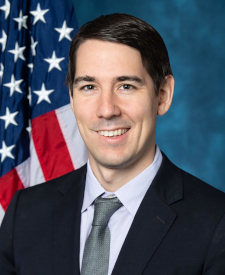
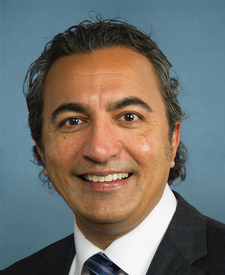

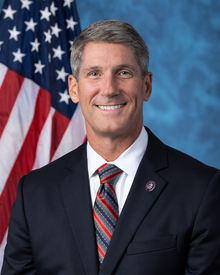
Legislative Progress
ReportedOrdered to be Reported by Unanimous Consent.
Committee Consideration and Mark-up Session Held
Subcommittee on Federal Lands Discharged
Subcommittee Hearings Held
Referred to the Subcommittee on Federal Lands.
Mr. Harder of California (for himself and Mr. Scott Franklin …
Referred to the House Committee on Natural Resources.
Introduced in House
Stakeholder Effects
cui bono?How this legislation distributes effects. Mention counts reflect frequency, not effect magnitude.
Department of Justice, Department of the Interior, Social Security Administration
Families and next-of-kin of federal wildland firefighters, Federal wildland firefighters and wildland fire support personnel
Casualty assistance officers and case managers
Bill Structure & Actor Mappings
Who is "The Secretary" in each section?
- "interior"
- → Department of the Interior
We use a combination of our own taxonomy and classification in addition to large language models to assess meaning and potential beneficiaries. High confidence means strong textual evidence. Always verify with the original bill text.
Learn more about our methodology