Stop Shackling and Detaining Pregnant Women Act
Summary
What This Bill Does
The Stop Shackling and Detaining Pregnant Women Act changes immigration detention rules for pregnant, lactating, and postpartum noncitizens. DHS must offer pregnancy testing during initial medical screening. Except for narrow exceptions, DHS may not detain, arrest, or take into custody a person known to be pregnant, lactating, or postpartum while removal decisions are pending, and must immediately release a detained noncitizen found to be pregnant. Detention is allowed only after an individualized extraordinary-circumstances finding of immediate serious physical-harm risk that alternatives to detention cannot mitigate, or for the shortest possible pre-removal temporary housing period, capped at five days. DHS must review extraordinary detention at least weekly and complete each review within 72 hours. Restraints may not be used on pregnant, lactating, or postpartum noncitizens in DHS custody, including transport, except for individualized extraordinary circumstances or medical necessity; leg, waist, four-point, behind-the-back wrist restraints, face-down or back restraints, and any restraints during labor or delivery are barred. Medical staff can require immediate restraint removal. DHS must give rights notices in understandable language and train covered employees at hiring and annually. Facility administrators must report quarterly on restraint use, pregnant detainee counts, releases, detention length, births, pregnancy outcomes, and related data. DHS must audit annually, report to Congress by facility, protect identifying information, and issue medical-care regulations based on national standards.
Who Benefits and How
Pregnant detained noncitizens benefit from release presumptions, pregnancy testing, weekly detention review, and limits on custody. Lactating detained noncitizens benefit from the same detention limits and restraint protections. Postpartum detained noncitizens benefit from a one-year postpartum protection period and medical-care reporting. Newborns of detained parents benefit if postpartum parents are released or protected from shackling and prolonged detention.
Who Bears the Burden and How
Department of Homeland Security must administer pregnancy testing, release rules, detention exceptions, audits, reports, and regulations. ICE detention facility administrators must document restraints, detention lengths, pregnancy outcomes, and quarterly facility data. CBP officers must apply intake, custody, and restraint restrictions to covered noncitizens. Detention officers must comply with restraint bans, medical-provider removal requests, rights notices, and annual training.
Key Provisions
- Requires pregnancy testing during initial immigration custody medical screening.
- Bars detention, arrest, or custody of pregnant, lactating, or postpartum noncitizens except narrow extraordinary circumstances or brief pre-removal housing.
- Prohibits restraints on covered noncitizens except limited individualized circumstances and bans leg, waist, four-point, behind-the-back, face-down, back, labor, and delivery restraints.
- Requires understandable rights notices and annual training for DHS employees involved in detention or care.
- Requires quarterly facility reports, annual DHS audits to Congress, privacy protections, and minimum medical-care regulations.
Evidence Chain:
This summary is generated from the full bill text using AI analysis. Expand "Detailed Analysis" below for identified beneficiaries/burden bearers with clause-level evidence links.
At a Glance
What This Bill Does
Restricts DHS detention of pregnant, lactating, and postpartum noncitizens, requires pregnancy testing at intake, bars restraints except narrow extraordinary circumstances, requires rights notices and annual staff training, mandates quarterly facility reports and annual DHS audits, and directs regulations setting minimum medical-care standards.
Key Policy Areas
Immigration Detention, Pregnancy, Civil Rights
Primary Purpose
Restricts DHS detention of pregnant, lactating, and postpartum noncitizens, requires pregnancy testing at intake, bars restraints except narrow extraordinary circumstances, requires rights notices and annual staff training, mandates quarterly facility reports and annual DHS audits, and directs regulations setting minimum medical-care standards.
Policy Domains
Resolution provisions
Identified Gains
- Pregnant detained noncitizens
- Lactating detained noncitizens
- Postpartum detained noncitizens
- Newborns of detained parents
Identified Costs
- Department of Homeland Security
- ICE detention facility administrators
- CBP officers
- Detention officers
Sponsors
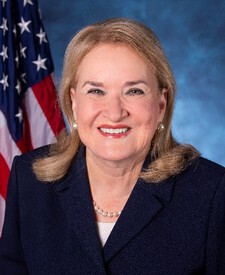

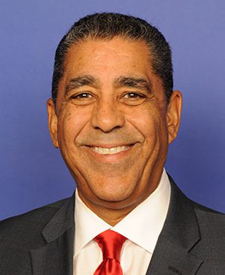

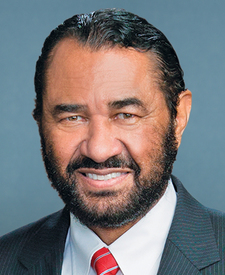
Legislative Progress
In CommitteeMs. Garcia of Texas (for herself, Mr. Thompson of Mississippi, …
Referred to the House Committee on the Judiciary.
Introduced in House
Stakeholder Effects
cui bono?How this legislation distributes effects. Mention counts reflect frequency, not effect magnitude.
Detention officers, ICE detention facility administrators, Lactating detained noncitizens
Positive-direction: Lactating detained noncitizens, Postpartum detained noncitizens, Pregnant detained noncitizens
Negative-direction: Detention officers, ICE detention facility administrators
Bill Structure & Actor Mappings
Who is "The Secretary" in each section?
We use a combination of our own taxonomy and classification in addition to large language models to assess meaning and potential beneficiaries. High confidence means strong textual evidence. Always verify with the original bill text.
Learn more about our methodology