United States-Israel PTSD Collaborative Research Act
Summary
What This Bill Does
The United States-Israel PTSD Collaborative Research Act uses findings about PTSD among U.S. veterans, civilians, and Israeli soldiers to justify a bilateral research grant program. The findings cite VA-reported PTSD rates of about 29 percent for Operation Iraqi Freedom and Operation Enduring Freedom veterans at some point in life, about 21 percent for Gulf War veterans, up to 10 percent for Vietnam veterans, almost 20 percent for women veterans of Iraq and Afghanistan, and a Tel Aviv University National Center for Traumatic Stress and Resilience finding that 12 percent of soldiers who served in the Gaza war experience severe PTSD. The bill states that the Defense Secretary, through the Psychological Health and Traumatic Brain Injury Research Program, should explore scientific collaboration between American academic institutions, nonprofit research entities, and Israeli institutions with PTSD expertise. Operatively, the Defense Secretary, coordinating with the VA Secretary and Secretary of State, must award grants to eligible U.S. academic institutions or nonprofits for collaborative U.S.-Israel PTSD research projects conducted under a joint research agreement with an Israeli entity. The program follows the 1972 U.S.-Israel Binational Science Foundation agreement. DOD may accept, hold, and administer monetary gifts conditioned for the grant program through the DOD General Gift Fund.
Who Benefits and How
U.S. academic PTSD researchers benefit from grant opportunities for joint projects with Israeli research partners. Nonprofit PTSD research entities benefit from eligibility for collaborative grant awards. Veterans with PTSD benefit if bilateral research improves diagnosis or treatment options. Israeli PTSD research institutions benefit from joint research agreements with U.S. grantees.
Who Bears the Burden and How
Defense Department research administrators must award and oversee the PTSD collaboration grants. VA must coordinate with Defense on research priorities affecting veterans with PTSD. State Department officials must coordinate the international research framework with Israel. Grant applicants must form joint research agreements with Israeli entities and meet application criteria.
Key Provisions
- Requires DOD to award grants for collaborative U.S.-Israel PTSD research.
- Requires coordination with VA and State in administering the grant program.
- Limits eligible U.S. grantees to academic institutions and nonprofit entities.
- Requires joint research agreements with Israeli entities addressing PTSD requirements selected by Defense.
- Authorizes DOD to accept gifts for the program through the Defense Department General Gift Fund.
Evidence Chain:
This summary is generated from the full bill text using AI analysis. Expand "Detailed Analysis" below for identified beneficiaries/burden bearers with clause-level evidence links.
At a Glance
What This Bill Does
Directs the Defense Secretary, through the Psychological Health and Traumatic Brain Injury Research Program and in coordination with VA and State, to award grants to U.S. academic or nonprofit entities for joint U.S.-Israel PTSD research projects under the U.S.-Israel Binational Science Foundation agreement, and permits gifts for the program through the Defense Department General Gift Fund.
Key Policy Areas
PTSD Research, Veterans, Israel
Primary Purpose
Directs the Defense Secretary, through the Psychological Health and Traumatic Brain Injury Research Program and in coordination with VA and State, to award grants to U.S. academic or nonprofit entities for joint U.S.-Israel PTSD research projects under the U.S.-Israel Binational Science Foundation agreement, and permits gifts for the program through the Defense Department General Gift Fund.
Policy Domains
Resolution provisions
Identified Gains
- U.S. academic PTSD researchers
- Nonprofit PTSD research entities
- Veterans with PTSD
- Israeli PTSD research institutions
Identified Costs
- Defense Department research administrators
- Department of Veterans Affairs
- State Department officials
- Grant applicants
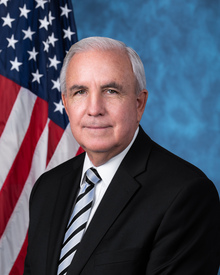
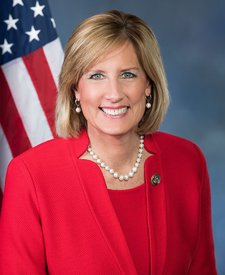
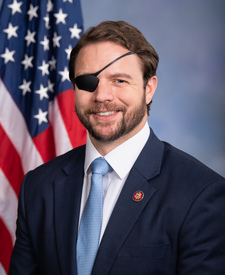
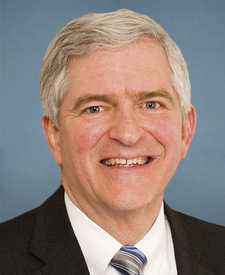
Sponsors

Legislative Progress
In CommitteeMr. Fine (for himself, Mr. Gottheimer, Mr. Newhouse, Mr. Gimenez, …
Referred to the House Committee on Armed Services.
Introduced in House
Stakeholder Effects
cui bono?How this legislation distributes effects. Mention counts reflect frequency, not effect magnitude.
Grant applicants, Israeli PTSD research institutions, Nonprofit PTSD research entities
Positive-direction: Nonprofit PTSD research entities, U.S. academic PTSD researchers
Negative-direction: Grant applicants
Bill Structure & Actor Mappings
Who is "The Secretary" in each section?
We use a combination of our own taxonomy and classification in addition to large language models to assess meaning and potential beneficiaries. High confidence means strong textual evidence. Always verify with the original bill text.
Learn more about our methodology