Muhammad Ali American Boxing Revival Act of 2026
Summary
What This Bill Does
This bill amends the Professional Boxing Safety Act to let a unified boxing organization, or UBO, operate a covered-match system that is treated as compliant if it meets specified safety, medical, contract, disclosure, anti-doping, ranking, grievance, and conflict-of-interest conditions. It preserves protections for professional boxers while creating an alternative compliance structure for boxers who choose to contract with a UBO.
The bill strengthens medical requirements by requiring physical, eye, blood, infectious-disease, brain-health, heart, and pregnancy-related examinations depending on the boxer and match context. Boxers who suffer knockouts must complete brain-health examinations before their next covered match, and boxers age 40 or older must receive supplemental exams including chest X-ray, metabolic panel, and urinalysis. The bill also amends boxing industry standards to require health insurance with at least $25,000 in medical coverage for injuries sustained in a match, bars the premium from being the boxer's financial responsibility, requires at least $150 per boxer per round, and requires referees and judges to be certified and approved by the responsible state boxing commission or the Association of Boxing Commissions.
Who Benefits and How
Professional boxers benefit from minimum medical coverage, minimum per-round pay, pregnancy testing rules for covered matches, brain-health protections after knockouts, and extra screening for older fighters. Boxers who prefer a UBO contract benefit from an alternative compliance system that can create more choice in match organization. Licensed physicians, medical testing providers, anti-doping laboratories, and health insurance carriers benefit from required exams, tests, and coverage. State boxing commissions benefit from continued referee and judge approval authority. The Association of Boxing Commissions benefits because its certification can satisfy the referee and judge standard.
Who Bears the Burden and How
Unified boxing organizations must satisfy detailed medical, safety, disclosure, contract, ranking, grievance, anti-doping, and conflict-of-interest conditions to qualify for the alternative system. Boxing promoters must cover higher costs where they arrange matches subject to the amended standards. UBO compliance officers must maintain medical-exam, testing, insurance, pay, ranking, and grievance systems. Boxing referees and boxing judges must obtain certification and approval before participating in covered professional matches. Federal Trade Commission staff and state boxing commission staff must oversee compliance with the amended boxing-safety framework.
Key Provisions
- Establishes an alternative compliance system for unified boxing organizations and covered matches.
- Requires brain-health examinations for boxers who suffer knockouts before their next covered match.
- Requires supplemental annual examinations for boxers age 40 or older, including chest X-ray, metabolic panel, and urinalysis.
- Requires minimum $25,000 match-injury medical insurance without boxer-paid premiums.
- Requires promoters or UBOs to pay at least $150 per boxer for each round.
- Requires boxing referees and boxing judges to be certified by state boxing commissions or the Association of Boxing Commissions.
Evidence Chain:
This summary is generated from the full bill text using AI analysis. Expand "Detailed Analysis" below for identified beneficiaries/burden bearers with clause-level evidence links.
At a Glance
What This Bill Does
Creates an alternative federal compliance path for unified boxing organizations, raises medical and safety standards for boxers, requires supplemental testing for knockouts and older boxers, sets minimum insurance and per-round pay rules, and requires referee and judge certification by state boxing commissions or the Association of Boxing Commissions.
Key Policy Areas
Sports Regulation, Labor Standards, Health Care, Consumer Safety
Primary Purpose
Creates an alternative federal compliance path for unified boxing organizations, raises medical and safety standards for boxers, requires supplemental testing for knockouts and older boxers, sets minimum insurance and per-round pay rules, and requires referee and judge certification by state boxing commissions or the Association of Boxing Commissions.
Policy Domains
House resolution provisions
Identified Gains
- Professional boxers
- Boxers under UBO contracts
- Licensed physicians
- Medical testing providers
- Anti-doping laboratories
- Health insurance carriers
- State boxing commissions
- Association of Boxing Commissions
Identified Costs
- Unified boxing organizations
- Boxing promoters
- UBO compliance officers
- Boxing referees
- Boxing judges
- Federal Trade Commission staff
- State boxing commission staff
Sponsors




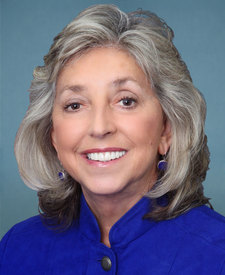
Legislative Progress
ReportedReceived in the Senate and Read twice and referred to …
Received; read twice and referred to the Committee on Commerce, …
Motion to reconsider laid on the table Agreed to without …
Considered under suspension of the rules.
On motion to suspend the rules and pass the bill, …
Passed/agreed to in House: On motion to suspend the rules …
Mr. Walberg moved to suspend the rules and pass the …
Motion to reconsider laid on the table Agreed to without …
DEBATE - The House proceeded with forty minutes of debate …
Considered under suspension of the rules. (consideration: CR H2641-2647)
Stakeholder Effects
cui bono?How this legislation distributes effects. Mention counts reflect frequency, not effect magnitude.
Association of Boxing Commissions, Boxing judges, Boxing promoters
Unified boxing organizations faces effects in multiple directions
Positive-direction: Association of Boxing Commissions, Professional boxers
Negative-direction: Boxing judges, Boxing promoters, Boxing referees
Bill Structure & Actor Mappings
Who is "The Secretary" in each section?
- "abc"
- → Association of Boxing Commissions
- "ubo"
- → Unified boxing organization
We use a combination of our own taxonomy and classification in addition to large language models to assess meaning and potential beneficiaries. High confidence means strong textual evidence. Always verify with the original bill text.
Learn more about our methodology