EACH Act of 2025
Summary
What This Bill Does
The EACH Act is a broad abortion-coverage bill. It defines abortion services to include an abortion and related services provided in conjunction with an abortion. Covered health programs and plans include Medicaid, CHIP, Medicare, Medicare supplemental policies, Indian Health Service, TRICARE, Defense Department nonappropriated-fund employee health benefits, veterans health care, CHAMPVA survivor and dependent care, DHS custody health care, HHS Office of Refugee Resettlement custody health care, refugee medical assistance, state health benefit risk pools, federal employee health benefits, and other federally funded health programs and plans. Each person insured by, enrolled in, or otherwise receiving care from those programs or plans must receive abortion coverage, and the programs or plans must provide it. The federal government, when acting as a health care provider, must ensure abortion access for eligible individuals in federal or contracted facilities. Federal law may not prohibit, restrict, or inhibit abortion coverage by state or local governments or private plans. The bill repeals ACA section 1303 and related Basic Health Program and multi-state plan abortion provisions, states that federal government coverage should be a national model, preserves more protective federal, state, or local laws, supersedes all contrary federal law and implementation, is not subject to RFRA, and includes severability.
Who Benefits and How
Medicaid enrollees seeking abortion care benefit from mandatory federal-program abortion coverage. Indian Health Service patients seeking abortion care benefit from inclusion of IHS in the covered program list. TRICARE beneficiaries seeking abortion care benefit from abortion coverage in military health programs. Veterans receiving chapter 17 health care benefit from abortion coverage through federal veterans health services.
Who Bears the Burden and How
Medicaid programs must cover abortion services despite current federal funding restrictions. Federal employee health benefit plans must provide abortion coverage rather than relying on federal restrictions. Federal health care facilities must ensure access to abortion services for eligible patients. Private health plans and state or local governments lose the benefit of federal restrictions that prohibit or inhibit abortion coverage.
Key Provisions
- Requires listed federal health programs and plans to cover abortion services.
- Requires the federal government as provider to ensure access in federal or contracted facilities.
- Repeals ACA section 1303 and related abortion-coverage provisions for Basic Health Program and multi-state plans.
- Supersedes contrary federal law and makes the Act not subject to RFRA.
- Protects federal, state, or local laws that provide more abortion coverage or abortion-service protections.
Evidence Chain:
This summary is generated from the full bill text using AI analysis. Expand "Detailed Analysis" below for identified beneficiaries/burden bearers with clause-level evidence links.
At a Glance
What This Bill Does
Requires federal health programs and plans to cover abortion services, requires the federal government as provider to ensure abortion access in its facilities or contracted facilities, bars federal restrictions on state, local, or private abortion coverage, repeals ACA section 1303 abortion-coverage rules, and supersedes contrary federal law including RFRA.
Key Policy Areas
Abortion Coverage, Health Insurance, Federal Health Programs
Primary Purpose
Requires federal health programs and plans to cover abortion services, requires the federal government as provider to ensure abortion access in its facilities or contracted facilities, bars federal restrictions on state, local, or private abortion coverage, repeals ACA section 1303 abortion-coverage rules, and supersedes contrary federal law including RFRA.
Policy Domains
Resolution provisions
Identified Gains
- Medicaid enrollees seeking abortion care
- Indian Health Service patients
- TRICARE beneficiaries
- Veterans receiving chapter 17 health care
Identified Costs
- Medicaid programs
- Federal employee health benefit plans
- Federal health care facilities
- Private health plans
Sponsors
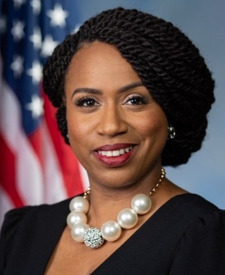
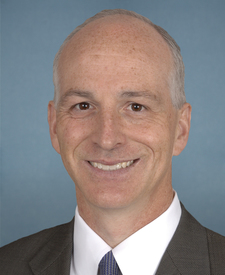

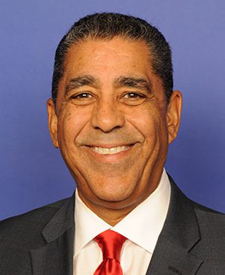

Legislative Progress
In CommitteeReferred to the Subcommittee on Health.
Ms. Pressley (for herself, Ms. DeGette, Mr. Frost, Ms. Schakowsky, …
Referred to the Committee on Energy and Commerce, and in …
Introduced in House
Introduced in House
Sponsor introductory remarks on measure. (CR H3521-3522)
Stakeholder Effects
cui bono?How this legislation distributes effects. Mention counts reflect frequency, not effect magnitude.
Medicaid enrollees seeking abortion care, Medicaid programs
Federal employee health benefit plans, Private health plans
Bill Structure & Actor Mappings
Who is "The Secretary" in each section?
We use a combination of our own taxonomy and classification in addition to large language models to assess meaning and potential beneficiaries. High confidence means strong textual evidence. Always verify with the original bill text.
Learn more about our methodology