Supporting Apprenticeship Colleges Act of 2025
Summary
What This Bill Does
The Supporting Apprenticeship Colleges Act creates two grant programs for institutions of higher education that sponsor construction- or manufacturing-oriented registered apprenticeship programs leading to a recognized postsecondary credential or credit toward one. The community outreach grant program, administered by the Education Secretary in consultation with Labor, gives eligible entities up to $500,000 to expand outreach to high schools, students, parents, guardians, faculty, local businesses, employers, workforce boards, and apprenticeship intermediaries. Outreach must emphasize employer relationship-building in rural, exurban, and suburban areas and local workforce needs. The Secretary must prioritize applicants increasing enrollment for rural students, first-generation college students, minority students, nontraditional students, and other underrepresented students, and Congress authorizes $5 million annually for fiscal years 2026 through 2030. The student support grant program also provides grants up to $500,000 for advising, career development, English as a second language support, information systems, mentoring, health and family services, substance-use and mental-health counseling, first-generation student support, childcare support, and similar services. Recipients must report on activities, student participation, high-school-student participation, and progress on enrollment, retention, persistence, and completion.
Who Benefits and How
Construction apprenticeship colleges benefit from federal outreach and advising grant opportunities. Manufacturing apprenticeship colleges benefit from parallel support for employer outreach and student services. Rural students benefit from priority outreach into communities targeted by the bill. First-generation college students benefit from prioritized recruitment and advising supports.
Who Bears the Burden and How
The Department of Education must administer two grant programs in consultation with the Department of Labor. Eligible apprenticeship colleges must apply, conduct outreach or support activities, and submit student-outcome reports. The Department of Labor must consult on program design and implementation. Federal taxpayers fund the authorized outreach program and any appropriated student-support grants.
Key Provisions
- Creates community outreach grants up to $500,000 for construction and manufacturing apprenticeship colleges.
- Authorizes $5 million annually for fiscal years 2026 through 2030 for outreach grants.
- Requires outreach to high schools, local employers, workforce boards, and apprenticeship intermediaries.
- Creates student-support grants up to $500,000 for advising, mentoring, health, family, ESL, and childcare supports.
- Requires reporting on activities, participation, high-school participation, enrollment, retention, persistence, and completion.
Evidence Chain:
This summary is generated from the full bill text using AI analysis. Expand "Detailed Analysis" below for identified beneficiaries/burden bearers with clause-level evidence links.
At a Glance
What This Bill Does
Authorizes Education Department grants for construction and manufacturing apprenticeship colleges: outreach grants up to $500,000 with $5 million annually for fiscal years 2026 through 2030, and student-support advising grants up to $500,000 with reporting on enrollment, retention, persistence, and completion.
Key Policy Areas
Apprenticeships, Higher Education, Workforce Development
Primary Purpose
Authorizes Education Department grants for construction and manufacturing apprenticeship colleges: outreach grants up to $500,000 with $5 million annually for fiscal years 2026 through 2030, and student-support advising grants up to $500,000 with reporting on enrollment, retention, persistence, and completion.
Policy Domains
Resolution provisions
Identified Gains
- Construction apprenticeship colleges
- Manufacturing apprenticeship colleges
- Rural students
- First-generation college students
Identified Costs
- Department of Education
- Eligible apprenticeship colleges
- Department of Labor
- Federal taxpayers
Sponsors



Legislative Progress
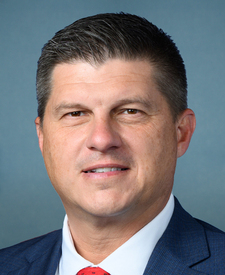
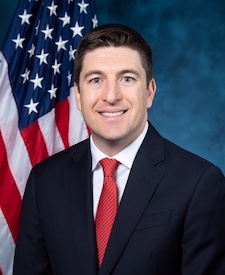
In CommitteeMs. Craig (for herself and Mr. Bresnahan) introduced the following …
Referred to the House Committee on Education and Workforce.
Introduced in House
Stakeholder Effects
cui bono?How this legislation distributes effects. Mention counts reflect frequency, not effect magnitude.
Construction apprenticeship colleges, Eligible apprenticeship colleges, First-generation college students
Positive-direction: Construction apprenticeship colleges, Manufacturing apprenticeship colleges
Negative-direction: Eligible apprenticeship colleges
Bill Structure & Actor Mappings
Who is "The Secretary" in each section?
We use a combination of our own taxonomy and classification in addition to large language models to assess meaning and potential beneficiaries. High confidence means strong textual evidence. Always verify with the original bill text.
Learn more about our methodology