FEMA Cybersecurity Improvement Act
Summary
What This Bill Does
The FEMA Cybersecurity Improvement Act amends the Homeland Security Act's FEMA preparedness responsibilities. It inserts mitigating cybersecurity risks, as defined in section 2200, into FEMA's section 523(a) duties when those risks could impede agency operations. It also updates the statutory wording by removing an obsolete timing phrase. Within one year after enactment, the FEMA Administrator, in consultation with the CISA Director, must report to the House Homeland Security and Transportation and Infrastructure Committees and the Senate Homeland Security and Governmental Affairs Committee on FEMA's progress mitigating cybersecurity risks within the agency. The bill therefore turns FEMA cyber resilience into an explicit preparedness responsibility and gives Congress a progress report deadline.
Who Benefits and How
FEMA operations staff benefit from an explicit mandate to reduce cyber risks that could impede disaster-response operations. Disaster survivors benefit if stronger FEMA cybersecurity reduces disruptions to assistance systems during emergencies. CISA cybersecurity experts benefit from a required consultation role in FEMA cyber-risk mitigation reporting. Congressional homeland security committees benefit from a one-year progress report on FEMA cyber resilience.
Who Bears the Burden and How
FEMA Administrator must incorporate cybersecurity-risk mitigation into agency preparedness duties and report within one year. CISA Director must consult with FEMA on the required progress report. FEMA information technology offices must document mitigation progress and remaining operational risks. Federal emergency management contractors may face higher cybersecurity expectations tied to FEMA operations.
Key Provisions
- Adds mitigating cybersecurity risks to FEMA section 523 preparedness duties.
- Ties the duty to cyber risks that could impede agency operations.
- Requires FEMA to consult CISA on a one-year progress report.
- Directs the report to House Homeland Security, House Transportation and Infrastructure, and Senate Homeland Security committees.
Evidence Chain:
This summary is generated from the full bill text using AI analysis. Expand "Detailed Analysis" below for identified beneficiaries/burden bearers with clause-level evidence links.
At a Glance
What This Bill Does
Adds cybersecurity-risk mitigation to FEMA preparedness duties and requires FEMA, consulting CISA, to report within one year on progress reducing cyber risks that could impede agency operations.
Key Policy Areas
Cybersecurity, FEMA, Emergency Management
Primary Purpose
Adds cybersecurity-risk mitigation to FEMA preparedness duties and requires FEMA, consulting CISA, to report within one year on progress reducing cyber risks that could impede agency operations.
Policy Domains
Resolution provisions
Identified Gains
- FEMA operations staff
- Disaster survivors
- CISA cybersecurity experts
- Congressional homeland security committees
Identified Costs
- FEMA Administrator
- CISA Director
- FEMA information technology offices
- Federal emergency management contractors
Legislative Progress
In CommitteeReferred to the Subcommittee on Emergency Management and Technology.
Referred to the Subcommittee on Economic Development, Public Buildings, and …
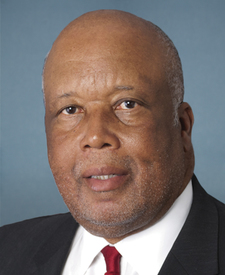
Mr. Thompson of Mississippi introduced the following bill; which was …
Referred to the Committee on Homeland Security, and in addition …
Introduced in House
Stakeholder Effects
cui bono?How this legislation distributes effects. Mention counts reflect frequency, not effect magnitude.
CISA Director, FEMA Administrator, FEMA information technology offices
Positive-direction: FEMA operations staff
Negative-direction: CISA Director, FEMA Administrator, FEMA information technology offices
Bill Structure & Actor Mappings
Who is "The Secretary" in each section?
We use a combination of our own taxonomy and classification in addition to large language models to assess meaning and potential beneficiaries. High confidence means strong textual evidence. Always verify with the original bill text.
Learn more about our methodology