Supporting Military Voters Act
Summary
What This Bill Does
The Supporting Military Voters Act directs the Comptroller General to conduct an analysis of federal responsibilities under the Uniformed and Overseas Citizens Absentee Voting Act and a study on improving access to voter-registration information and assistance for members of the Armed Forces and their families. The analysis must cover ballot transmission to absent uniformed services voters; methods for transmitting voted ballots, including efficacy and security; election officials' treatment of those ballots, including count rates, rejection rates, and reasons for rejection; effectiveness of assistance from Federal Voting Assistance Program voting assistance officers; coordination between voting assistance officers and state or local election officials; and other issues affecting the ability of absent uniformed services voters to register, vote, and have ballots counted in federal elections. The study must also look at awareness among servicemembers and families of the title 10 section 1566a requirement for military departments to provide voter-registration information and assistance.
Who Benefits and How
Absent uniformed services voters benefit from GAO review of ballot transmission, ballot return methods, counting rates, rejection rates, and assistance gaps. Members of the Armed Forces benefit from a study on improving voter-registration information and assistance. Military family members benefit from review of awareness and access to registration assistance. Federal Voting Assistance Program officials benefit from analysis of voting assistance officer effectiveness and coordination with election officials.
Who Bears the Burden and How
The Comptroller General must conduct the UOCAVA implementation analysis and voter-registration assistance study. Department of Defense voting assistance officers may face GAO review of their effectiveness and coordination. State and local election officials may need to provide data on ballot transmission, counting, rejection, and reasons for rejection. Military department Secretaries may face scrutiny of title 10 section 1566a voter-information duties.
Key Provisions
- Requires GAO analysis of federal UOCAVA responsibilities for absent uniformed services voters.
- Requires review of ballot transmission, voted-ballot return methods, efficacy, security, counting rates, rejection rates, and rejection reasons.
- Requires analysis of Federal Voting Assistance Program voting assistance officers and coordination with state and local election officials.
- Requires a study on improving voter-registration information and assistance for Armed Forces members and family members.
- Requires review of awareness of military department duties under title 10 section 1566a.
Evidence Chain:
This summary is generated from the full bill text using AI analysis. Expand "Detailed Analysis" below for identified beneficiaries/burden bearers with clause-level evidence links.
At a Glance
What This Bill Does
Requires GAO to analyze federal implementation of the Uniformed and Overseas Citizens Absentee Voting Act for absent uniformed services voters and study ways to improve voter-registration information and assistance for servicemembers and their families.
Key Policy Areas
Military Voting, Elections, GAO
Primary Purpose
Requires GAO to analyze federal implementation of the Uniformed and Overseas Citizens Absentee Voting Act for absent uniformed services voters and study ways to improve voter-registration information and assistance for servicemembers and their families.
Policy Domains
Resolution provisions
Identified Gains
- Absent uniformed services voters
- Members of the Armed Forces
- Military family members
- Federal Voting Assistance Program officials
Identified Costs
- Comptroller General
- Department of Defense voting assistance officers
- State election officials
- Military department Secretaries
Sponsors
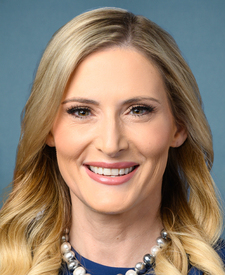
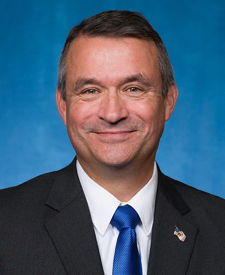

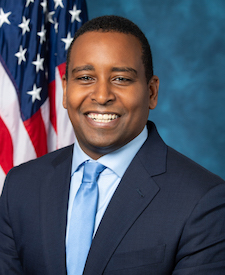

Legislative Progress
In CommitteeMs. Lee of Florida (for herself, Mr. Neguse, and Mrs. …
Referred to the House Committee on House Administration.
Introduced in House
Stakeholder Effects
cui bono?How this legislation distributes effects. Mention counts reflect frequency, not effect magnitude.
Absent uniformed services voters, Members of the Armed Forces, Military family members
Comptroller General, Department of Defense voting assistance officers, State election officials
Bill Structure & Actor Mappings
Who is "The Secretary" in each section?
We use a combination of our own taxonomy and classification in addition to large language models to assess meaning and potential beneficiaries. High confidence means strong textual evidence. Always verify with the original bill text.
Learn more about our methodology