Washington’s Trail—1753 National Historic Trail Feasibility Study Act of 2025
Summary
What This Bill Does
The Washington's Trail-1753 National Historic Trail Feasibility Study Act of 2025 amends the National Trails System Act to add Washington's Trail-1753 to the list of routes to be studied for possible national historic trail designation. The route is approximately 500 miles from Williamsburg, Virginia, to Fort LeBoeuf, now Waterford, Pennsylvania.
The route follows George Washington and his party on the diplomatic mission to the French that he undertook for Virginia Governor Robert Dinwiddie from October 31, 1753, to January 16, 1754, before the French and Indian War. The bill does not designate the trail outright; it adds the route to the statutory feasibility-study list.
Who Benefits and How
Historic preservation organizations, local tourism offices, communities along the route, and National Park Service trail planners benefit from a formal feasibility-study pathway. Museums and educators interpreting George Washington's 1753 mission benefit from potential federal recognition and planning.
Who Bears the Burden and How
National Park Service trail study staff and public lands planners must evaluate the route if the study is undertaken. State and local land managers and route communities may need to provide information or coordinate during the feasibility study.
Key Provisions
- Adds Washington's Trail-1753 to the National Trails System Act feasibility-study list.
- Describes an approximately 500-mile route from Williamsburg, Virginia, to Fort LeBoeuf in present-day Waterford, Pennsylvania.
- Ties the route to George Washington's 1753 diplomatic mission for Virginia Governor Robert Dinwiddie.
- Provides for study of a potential national historic trail rather than immediate designation.
Evidence Chain:
This summary is generated from the full bill text using AI analysis. Expand "Detailed Analysis" below for identified beneficiaries/burden bearers.
At a Glance
What This Bill Does
Adds Washington's Trail-1753 to the National Trails System Act feasibility-study list, covering an approximately 500-mile route from Williamsburg, Virginia, to Fort LeBoeuf in present-day Waterford, Pennsylvania, following George Washington's 1753 diplomatic mission route before the French and Indian War.
Key Policy Areas
Public Lands, Historic Preservation, National Trails
Primary Purpose
Adds Washington's Trail-1753 to the National Trails System Act feasibility-study list, covering an approximately 500-mile route from Williamsburg, Virginia, to Fort LeBoeuf in present-day Waterford, Pennsylvania, following George Washington's 1753 diplomatic mission route before the French and Indian War.
Policy Domains
Section 2 National Trails System Act feasibility study for Washington's Trail-1753
Identified Gains
Contextual inference, no direct clause citation- Historic preservation organizations
- Local tourism offices
- Communities along the trail route
- Museums interpreting George Washington's 1753 mission
Contextual inference, no direct clause citation
Identified Costs
Contextual inference, no direct clause citation- National Park Service trail study staff
- State land managers along the route
- Local land managers along the route
Contextual inference, no direct clause citation
Sponsors
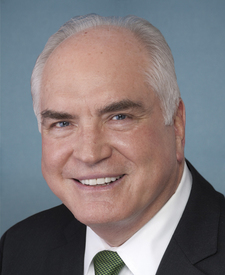

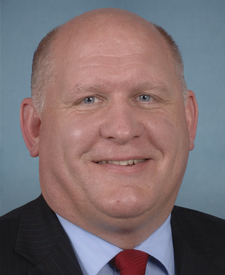
Legislative Progress
In CommitteeMr. Kelly of Pennsylvania (for himself and Mr. Deluzio) introduced …
Referred to the House Committee on Natural Resources.
Introduced in House
Bill Structure & Actor Mappings
Who is "The Secretary" in each section?
- "nps"
- → National Park Service trail study staff
- "route_communities"
- → Communities along the Washington's Trail-1753 route
Key Definitions
Terms defined in this bill
An approximately 500-mile route from Williamsburg, Virginia, to Fort LeBoeuf following George Washington's 1753 diplomatic mission route.
We use a combination of our own taxonomy and classification in addition to large language models to assess meaning and potential beneficiaries. High confidence means strong textual evidence. Always verify with the original bill text.
Learn more about our methodology