Making appropriations for the Departments of Transportation, and Housing and Urban Development, and related agencies for the fiscal year ending September 30, 2026, and for other purposes.
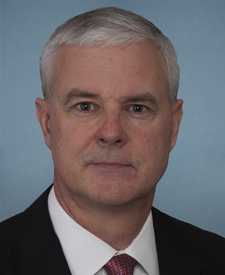
Sponsors
Legislative Progress
ReportedMr. Womack, from the Committee on Appropriations, reported the following …
Summary
What This Bill Does
This is the annual appropriations bill for the Departments of Transportation and Housing and Urban Development for fiscal year 2026. It provides funding for highways, aviation, railroads, public transit, and housing programs while placing numerous policy restrictions on how agencies can spend those funds.
Who Benefits and How
- Trucking companies and motor carriers benefit from exemptions allowing livestock and insect transporters to avoid electronic logging device requirements, and from blocking any speed limiter mandates for commercial vehicles.
- Private aircraft owners gain enhanced privacy protections that allow them to block their aircraft from public flight tracking displays.
- Airport operators are protected from FAA requirements to provide free facilities or utilities for air traffic control services.
- Religious organizations are shielded from discrimination based on their beliefs about traditional marriage when seeking federal contracts or benefits.
- States with old highway earmarks gain flexibility to repurpose funds from projects that have gone unobligated for over 10 years.
Who Bears the Burden and How
- California High-Speed Rail Authority is completely blocked from receiving any federal funds for its high-speed rail project.
- Metropolitan Washington Airports Authority and WMATA face restrictions if they contract with ByteDance (TikTok) for advertising.
- Federal agencies face significant rescissions of prior appropriations, including million from Federal Railroad Administration and million from HUD lead hazard programs.
- Public housing programs face rescissions from the Public Housing Fund and Choice Neighborhoods Initiative.
- Localities refusing to cooperate with ICE on immigration matters are barred from receiving HUD funds.
Key Provisions
- Blocks New York City congestion pricing (Central Business District Tolling Program) from receiving any federal support
- Prohibits using funds to implement HUD energy efficiency standards for new housing
- Caps Amtrak overtime at ,000 per employee with limited waivers
- Requires compliance with multiple Executive Orders including those related to DEI programs
- Prohibits flying any flags other than official government flags at federal facilities
- Blocks automated traffic enforcement cameras from receiving federal funds
Evidence Chain:
This summary is derived from the structured analysis below. See "Detailed Analysis" for per-title beneficiaries/burden bearers with clause-level evidence links.
Primary Purpose
Appropriates funds for the Department of Transportation, Department of Housing and Urban Development, and related agencies for fiscal year 2026, while placing policy restrictions on how those funds may be spent.
Policy Domains
Legislative Strategy
"Restrict agency discretion through numerous funding prohibitions, rescind prior year appropriations, block specific regulations and policies, and enforce Executive Orders through appropriations riders"
Likely Beneficiaries
- Trucking and motor carrier industry (exemptions from ELD requirements for livestock/insect transport, speed limiter prohibition, preemption of state meal/rest rules)
- Airlines and private aviation (aircraft tracking privacy protections, protection of Teterboro airport rules)
- Religious organizations (protection from discrimination based on marriage beliefs)
- States with old earmarks (flexibility to repurpose funds)
- General aviation at TFR-affected airports (reimbursement for Secret Service closures)
Likely Burden Bearers
- California High-Speed Rail Authority (prohibited from receiving funds)
- Metropolitan Washington Airports Authority/WMATA (restrictions on TikTok/ByteDance advertising)
- Federal agencies (rescissions of prior appropriations, reprogramming restrictions)
- Public housing authorities (rescissions from Public Housing Fund, Choice Neighborhoods)
- DEI/diversity programs (funds cannot contravene anti-DEI Executive Orders)
Bill Structure & Actor Mappings
Who is "The Secretary" in each section?
- "the_secretary"
- → Secretary of Transportation
- "the_administrator"
- → Administrator of the Federal Aviation Administration
- "the_administrator"
- → Administrator of the Federal Aviation Administration
- "the_secretary"
- → Secretary of Transportation
- "the_administrator"
- → Administrator of FMCSA
- "the_president_of_amtrak"
- → President of Amtrak
- "the_secretary"
- → Secretary of Housing and Urban Development
Note: 'The Secretary' refers to Secretary of Transportation in Title I but Secretary of Housing and Urban Development in Title II
Key Definitions
Terms defined in this bill
Shall not include economic development that primarily benefits private entities; includes mass transit, railroad, airport, highway, utility projects serving the general public
Congressionally directed spending or congressional earmark identified in a prior law that was authorized or appropriated more than 10 fiscal years prior and administered by FHWA
A conference occurring outside of the United States attended by representatives of the US Government and of foreign governments, international organizations, or nongovernmental organizations
We use a combination of our own taxonomy and classification in addition to large language models to assess meaning and potential beneficiaries. High confidence means strong textual evidence. Always verify with the original bill text.
Learn more about our methodology