To amend the Internal Revenue Code of 1986 to make the credit for small employer pension plan startup costs and the retirement auto-enrollment credit available to tax-exempt eligible small employers.
Sponsors
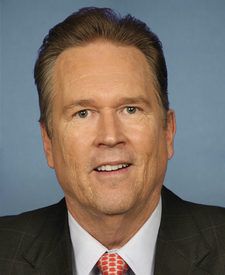

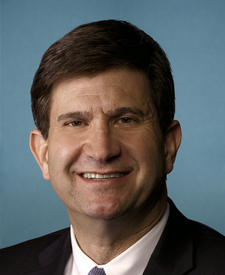

Legislative Progress
IntroducedMr. Buchanan (for himself, Mr. Panetta, Mr. Moore of Utah, …
Summary
What This Bill Does
The Small Nonprofit Retirement Security Act of 2025 extends two existing tax credits for retirement plans to nonprofit organizations. Currently, only for-profit businesses can claim credits for starting retirement plans and adopting automatic enrollment features. This bill allows 501(c) tax-exempt nonprofits to claim these same credits as refundable payroll tax credits, meaning they can receive the money even if they don't owe income tax.
Who Benefits and How
Small nonprofit organizations are the primary beneficiaries. Charities, churches, social welfare organizations, and other 501(c) entities can now receive up to $5,000 per year for three years to offset startup costs when establishing a retirement plan, plus up to $500 per year for three years if they adopt automatic enrollment. Since nonprofits don't pay income taxes, these credits are made refundable against their payroll taxes, meaning they receive actual cash back. This significantly reduces the financial barrier to offering retirement benefits. Additionally, employees of small nonprofits gain access to employer-sponsored retirement savings, improving their long-term financial security. Retirement plan providers and payroll processing companies also benefit from an expanded market of nonprofit clients seeking these services.
Who Bears the Burden and How
Federal taxpayers ultimately bear the cost through reduced government revenue. The bill creates new refundable tax credits that the Treasury must pay out to nonprofits, and it appropriates general fund money to reimburse the Social Security Trust Funds for any lost payroll tax revenue, ensuring Social Security isn't impacted. While the cost per nonprofit is modest (maximum $16,500 over three years), the aggregate fiscal impact depends on how many small nonprofits take advantage of the credits. The bill includes no offset or revenue raiser, so this represents a net increase in federal spending.
Key Provisions
- Amends Internal Revenue Code Section 45E to make the small employer pension plan startup cost credit (up to $5,000/year for 3 years) available to tax-exempt employers as a refundable payroll tax credit
- Amends IRC Section 45T to make the retirement auto-enrollment credit (up to $500/year for 3 years) available to tax-exempt employers as a refundable payroll tax credit
- Limits these refundable credits to the lesser of the calculated credit amount or the nonprofit's annual payroll tax liability
- Appropriates general fund money to make Social Security Trust Funds whole for any lost payroll tax revenue, ensuring no impact on Social Security financing
- Applies to taxable years beginning after December 31, 2024
Evidence Chain:
This summary is derived from the structured analysis below. See "Detailed Analysis" for per-title beneficiaries/burden bearers with clause-level evidence links.
Primary Purpose
Extends two existing tax credits for retirement plan startup costs and auto-enrollment to tax-exempt employers (501(c) nonprofits) by allowing them to claim these credits as refundable payroll tax credits.
Policy Domains
Legislative Strategy
"Extends existing employer retirement incentives to the nonprofit sector to encourage small nonprofits to offer retirement benefits to their employees. This is accomplished by converting existing non-refundable income tax credits into refundable payroll tax credits for tax-exempt entities."
Likely Beneficiaries
- Small 501(c) nonprofit organizations (charities, churches, social welfare organizations, etc.)
- Employees of small nonprofits who gain access to retirement plans
- Retirement plan providers and administrators who gain new nonprofit clients
- Payroll processing companies that service nonprofits
Likely Burden Bearers
- U.S. Treasury / Federal taxpayers (reduced revenue from refundable credits)
- Social Security Trust Funds (though explicitly made whole by general fund transfers in section 2(d))
Bill Structure & Actor Mappings
Who is "The Secretary" in each section?
- "the_secretary"
- → Secretary of the Treasury (implied by IRC amendments)
- "eligible_employer"
- → Small employers who establish new retirement plans
- "tax-exempt_eligible_employer"
- → 501(c) organizations that are eligible employers
Key Definitions
Terms defined in this bill
An eligible employer which is described in section 501(c) of the Internal Revenue Code and exempt from taxation under section 501(a)
An eligible employer which is described in section 501(c) and exempt from taxation under section 501(a)
The calendar year in which the taxable year begins for purposes of calculating the credit
The tax imposed by section 3111(a) - employer's portion of Social Security tax (6.2% of wages)
We use a combination of our own taxonomy and classification in addition to large language models to assess meaning and potential beneficiaries. High confidence means strong textual evidence. Always verify with the original bill text.
Learn more about our methodology