No Cages in the Everglades Act
Summary
What This Bill Does
The No Cages in the Everglades Act is a targeted funding and oversight bill. It prohibits DHS funds, including ICE funds, from being obligated or spent on planning, construction, leasing, operation, staffing, or maintenance of any immigration detention facility located within or adjacent to the Everglades ecosystem, and also bars contracts with public entities for those purposes. It then creates a broader oversight access rule for any facility used to detain or house people in DHS or ICE custody, whether federally operated or run by a state or local government: Members of Congress and designated congressional staff may conduct announced or unannounced inspections at any time, consistent with security and safety protocols, and that access cannot be waived, limited, or conditioned by contract, lease, MOU, or other agreement. No prior notice is required. The DHS Inspector General must conduct an independent inquiry and report within 90 days on the Everglades facility, including funds, the process leading to construction, and related issues.
Who Benefits and How
Everglades ecosystem advocates benefit from a funding ban on immigration detention facilities within or adjacent to the ecosystem. Immigration detainees benefit from guaranteed congressional inspection access to DHS custody facilities. Members of Congress benefit from statutory authority for announced or unannounced inspections without prior notice. DHS Inspector General investigators benefit from a clear 90-day inquiry mandate for the covered facility.
Who Bears the Burden and How
DHS and ICE cannot spend funds on planning, construction, leasing, operation, staffing, or maintenance of covered Everglades detention facilities. State or local government detention operators must allow congressional inspections and cannot rely on contracts to limit access. The DHS Inspector General must conduct the inquiry and submit the report within 90 days. Public entities seeking detention contracts near the Everglades lose access to DHS or ICE funding for those purposes.
Key Provisions
- Prohibits DHS and ICE funding for immigration detention facilities within or adjacent to the Everglades ecosystem.
- Bars contracting with public entities for planning, construction, leasing, operation, staffing, or maintenance of such facilities.
- Requires DHS detention facilities to allow announced or unannounced inspections by Members of Congress and designated staff.
- Blocks contracts, leases, MOUs, or other agreements from limiting congressional inspection access.
- Requires a DHS Inspector General inquiry and report within 90 days.
Evidence Chain:
This summary is generated from the full bill text using AI analysis. Expand "Detailed Analysis" below for identified beneficiaries/burden bearers with clause-level evidence links.
At a Glance
What This Bill Does
Bars DHS and ICE funding for planning, constructing, leasing, operating, staffing, or maintaining immigration detention facilities within or adjacent to the Everglades ecosystem, requires congressional inspection access to DHS detention facilities, and mandates a DHS Inspector General report within 90 days.
Key Policy Areas
Immigration Detention, Everglades, Congressional Oversight
Primary Purpose
Bars DHS and ICE funding for planning, constructing, leasing, operating, staffing, or maintaining immigration detention facilities within or adjacent to the Everglades ecosystem, requires congressional inspection access to DHS detention facilities, and mandates a DHS Inspector General report within 90 days.
Policy Domains
Resolution provisions
Identified Gains
- Everglades ecosystem advocates
- Immigration detainees
- Members of Congress
- DHS Inspector General investigators
Identified Costs
- Department of Homeland Security
- Immigration and Customs Enforcement
- State detention operators
- Public entities seeking detention contracts
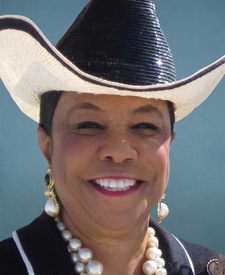
Sponsors
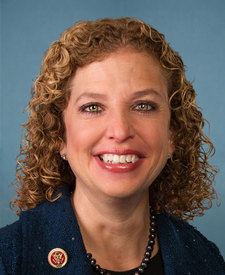
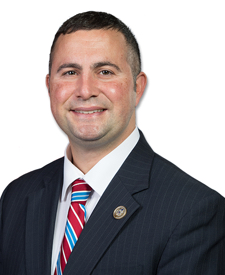
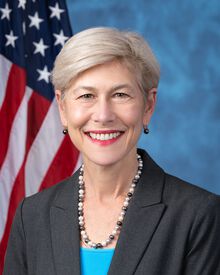
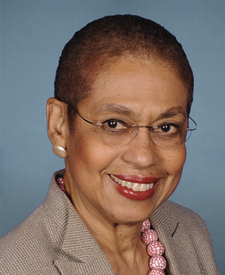
Legislative Progress
In CommitteeReferred to the Subcommittee on Border Security and Enforcement.
Ms. Wasserman Schultz (for herself, Mr. Frost, Ms. Castor of …
Referred to the Committee on the Judiciary, and in addition …
Introduced in House
Stakeholder Effects
cui bono?How this legislation distributes effects. Mention counts reflect frequency, not effect magnitude.
Department of Homeland Security, Immigration and Customs Enforcement
Bill Structure & Actor Mappings
Who is "The Secretary" in each section?
We use a combination of our own taxonomy and classification in addition to large language models to assess meaning and potential beneficiaries. High confidence means strong textual evidence. Always verify with the original bill text.
Learn more about our methodology