To increase market access for Black farmers and socially disadvantaged farmers and ranchers, to ensure civil rights accountability, and for other purposes.
Summary
What This Bill Does
The bill creates food hub grants to increase market access for socially disadvantaged farmers and ranchers, creates a 25% tax credit for qualified food hub expenses, allowing taxpayers to claim credits for purchasing agricultural products from food hubs developed under this Act that support Black and socially disadvantaged, and creates agriculture hub credit. It relies on definition changes, tax credits, compliance mandates, and grants. The main policy areas are Agriculture, Labor, and Trade.
Who Benefits and How
Black farmers and socially disadvantaged farmers could gain revenue opportunities, Taxpayers purchasing from certified food hubs could see lower costs, and Taxpayers purchasing agricultural products from certified food hubs could see lower costs.
Who Bears the Burden and How
Officials and employees of the Department of Agriculture would take on compliance duties, Department of Agriculture would take on compliance duties, and Taxpayers (general) could face higher costs.
Key Provisions
- Creates food hub grants to increase market access for socially disadvantaged farmers and ranchers.
- Creates a 25% tax credit for qualified food hub expenses, allowing taxpayers to claim credits for purchasing agricultural products from food hubs developed under this Act that support Black and socially disadvantaged...
- Creates agriculture hub credit.
- Requires civil rights accountability for USDA employees:.
- Exempts grants the Assistant Secretary of Agriculture for Civil Rights independent authority to provide equitable relief to participants who file civil rights program complaints, without requiring prior approval...
Evidence Chain:
This summary is generated from the full bill text using AI analysis. Expand "Detailed Analysis" below for identified beneficiaries/burden bearers with clause-level evidence links.
At a Glance
What This Bill Does
The bill creates food hub grants to increase market access for socially disadvantaged farmers and ranchers, creates a 25% tax credit for qualified food hub expenses, allowing taxpayers to claim credits for purchasing agricultural products from food hubs developed under this Act that support Black and socially disadvantaged, and creates agriculture hub credit.
Key Policy Areas
Agriculture, Labor, Trade
Primary Purpose
The bill creates food hub grants to increase market access for socially disadvantaged farmers and ranchers, creates a 25% tax credit for qualified food hub expenses, allowing taxpayers to claim credits for purchasing agricultural products from food hubs developed under this Act that support Black and socially disadvantaged, and creates agriculture hub credit.
Policy Domains
Whole bill
Identified Gains
- Black farmers and socially disadvantaged farmers
- Taxpayers purchasing from certified food hubs
- Taxpayers purchasing agricultural products from certified food hubs
- Eligible entities (formed by two or more agricultural producers, not less than half of whom are socially disadvantaged; or non-profit/Tribal organizations working with socially disadvantaged farmers)
- USDA program participants filing civil rights complaints
Identified Costs
- Officials and employees of the Department of Agriculture
- Department of Agriculture
- Taxpayers (general)
Sponsors


Legislative Progress
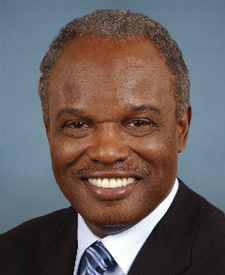
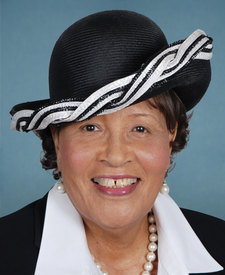
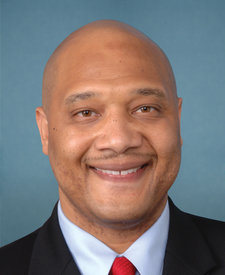
IntroducedMr. David Scott of Georgia (for himself, Mr. Jackson of …
Stakeholder Effects
cui bono?How this legislation distributes effects. Mention counts reflect frequency, not effect magnitude.
Black farmers and socially disadvantaged farmers, Black farmers and socially disadvantaged farmers with civil rights complaints, Current or prospective applicants of or participants in Department of Agriculture programs (especially Black farmers and socially disadvantaged farmers and ranchers)
Eligible entities (formed by two or more agricultural producers, not less than half of whom are socially disadvantaged; or non-profit/Tribal organizations working with socially disadvantaged farmers), Food hubs serving Black and socially disadvantaged farmers
Assistant Secretary of Agriculture for Civil Rights, Department of Agriculture
Positive-direction: Assistant Secretary of Agriculture for Civil Rights
Negative-direction: Department of Agriculture
Officials and employees of the Department of Agriculture
Bill Structure & Actor Mappings
Who is "The Secretary" in each section?
We use a combination of our own taxonomy and classification in addition to large language models to assess meaning and potential beneficiaries. High confidence means strong textual evidence. Always verify with the original bill text.
Learn more about our methodology