To amend the Employee Retirement Income Security Act of 1974 to ensure plan fiduciaries may access de-identified information relating to health claims, and for other purposes.
Analysis under review: This bill has generated analysis that may be too generic or incomplete. Clause-level evidence remains available below.
Summary
What This Bill Does
This bill amends ERISA (the Employee Retirement Income Security Act) to ensure that employer-sponsored health plan administrators can access and audit de-identified health claims data. It prohibits service providers like pharmacy benefit managers (PBMs), third-party administrators, and healthcare networks from using contract terms that block or unreasonably limit plan fiduciaries from reviewing claims information.
Who Benefits and How
Employers and plan sponsors benefit by gaining full audit rights over health claims data, enabling them to verify they are getting fair pricing and that service providers comply with plan terms. Plan participants and beneficiaries (employees) may benefit indirectly through improved plan oversight, potentially leading to lower costs or better benefits. Independent auditors gain new business opportunities as plans exercise their audit rights.
Who Bears the Burden and How
Pharmacy benefit managers (PBMs) face increased transparency requirements and can no longer use contract terms that limit audits or hide pricing arrangements. Third-party administrators and healthcare provider networks must allow unrestricted access to de-identified claims data and cannot charge excessive fees for audits. These entities may face compliance costs and loss of informational advantages.
Key Provisions
- Requires contracts with health plan service providers to allow fiduciaries to audit all de-identified claims data
- Prohibits gag clauses that limit disclosure of pricing terms, value-based payment arrangements, and overpayment recovery terms
- Requires annual attestations confirming data access compliance
- Mandates a DOL study on whether claims data should be considered plan assets
Evidence Chain:
This summary is generated from the full bill text using AI analysis. Expand "Detailed Analysis" below for identified beneficiaries/burden bearers with clause-level evidence links.
At a Glance
What This Bill Does
Ensures that group health plan fiduciaries can access and audit de-identified health claims data from service providers like pharmacy benefit managers and third-party administrators, by prohibiting contract terms that restrict such access.
Key Policy Areas
Healthcare, Employee Benefits, Insurance Regulation
Primary Purpose
Ensures that group health plan fiduciaries can access and audit de-identified health claims data from service providers like pharmacy benefit managers and third-party administrators, by prohibiting contract terms that restrict such access.
Policy Domains
ERISA Amendments - Health Plan Data Access
Identified Gains
- Employer plan sponsors
- Plan fiduciaries
- Plan participants and beneficiaries
- Independent auditors
Identified Costs
- Pharmacy benefit managers
- Third-party administrators
- Healthcare provider networks
Sponsors


Legislative Progress
ReportedReported with an amendment, committed to the Committee of the …
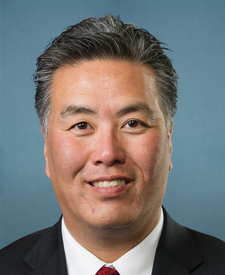
Mrs. Chavez-DeRemer (for herself, Mr. Takano, and Ms. Manning) introduced …
Stakeholder Effects
cui bono?How this legislation distributes effects. Mention counts reflect frequency, not effect magnitude.
Group health insurance issuers, Third-party administrators (TPAs)
Employer-sponsored group health plan fiduciaries, Employer-sponsored group health plans, Plan fiduciaries and administrators
Pharmacy Benefit Managers (PBMs)
Healthcare provider networks and associations
Bill Structure & Actor Mappings
Who is "The Secretary" in each section?
- "the_secretary"
- → Secretary of Labor
- "responsible_plan_fiduciary"
- → Person designated by employer health plan to manage plan assets and ensure compliance
Key Definitions
Terms defined in this bill
Assets belonging to the health plan rather than service providers
A service contract is only reasonable if it allows plan fiduciary audit access to de-identified claims data and does not contain gag clauses
Health claims data stripped of personal identifiers, as described in ERISA section 724
We use a combination of our own taxonomy and classification in addition to large language models to assess meaning and potential beneficiaries. High confidence means strong textual evidence. Always verify with the original bill text.
Learn more about our methodology