Healing Partnerships for Survivors Act
Summary
What This Bill Does
The Healing Partnerships for Survivors Act adds a new Family Violence Prevention and Services Act grant authority. The HHS Secretary, acting through the Office of Family Violence Prevention and Services, may award grants to state, territorial, and tribal sexual assault coalitions; nonprofit community-based sexual assault programs, including rape crisis centers, culturally specific organizations, and community-based organizations; Indian Tribes; and tribal organizations. Grantees must develop, implement, and improve systems of support through partnerships with health and wellness providers, behavioral health programs, disability programs, service providers, and community-based sexual assault programs. Covered activities include prevention, screening, linkages to care, therapy, support groups, holistic healing, somatic approaches, substance-use supports, temporary housing assistance, personal advocacy through case management, referrals, support during health care or substance-use treatment, staff and partner training, and trauma-informed culturally relevant health and wellness modalities. Grantees must report activities, impact, and effectiveness and protect victim privacy, confidentiality, and safety. Up to 10 percent of funds may go to at least two training and technical assistance entities, including at least one with culturally specific expertise, and up to $5 million may be used for evaluation, monitoring, and administration.
Who Benefits and How
Survivors of sexual assault benefit from trauma-informed health, behavioral health, disability, housing, advocacy, and referral partnerships. Adult survivors of childhood sexual abuse benefit because services must address survivors across the lifespan regardless of age. State sexual assault coalitions benefit from eligibility for grants and training support. Tribal coalitions and Indian Tribes benefit from eligibility to build culturally relevant survivor-support systems.
Who Bears the Burden and How
HHS and the FVPSA grant office must administer grants, reports, privacy rules, evaluation, and technical assistance. Grant recipients must build partnerships, protect confidentiality, submit reports, and evaluate program impact. Technical assistance providers must support grantees and disseminate best practices. Federal administrators must reserve no more than 10 percent for training and technical assistance and no more than $5 million for evaluation and administration.
Key Provisions
- Authorizes grants to sexual assault coalitions, rape crisis centers, culturally specific organizations, community-based programs, Indian Tribes, and tribal organizations.
- Requires trauma-informed partnerships with health, wellness, behavioral health, disability, service-provider, and community-based sexual assault programs.
- Provides services including prevention, screening, linkages to care, therapy, support groups, holistic healing, substance-use support, temporary housing assistance, case management, and referrals.
- Requires grantee reports on activities, impact, and effectiveness and requires privacy, confidentiality, and safety protections.
- Limits training and technical assistance awards to not more than 10 percent of funds and administrative or evaluation expenses to not more than $5 million per fiscal year.
Evidence Chain:
This summary is generated from the full bill text using AI analysis. Expand "Detailed Analysis" below for identified beneficiaries/burden bearers with clause-level evidence links.
At a Glance
What This Bill Does
Creates Family Violence Prevention and Services Act grants for sexual-assault coalitions, community programs, Tribes, and tribal organizations to build trauma-informed health, behavioral-health, disability, and community-service partnerships for survivors.
Key Policy Areas
Sexual Assault Services, Public Health, Grants
Primary Purpose
Creates Family Violence Prevention and Services Act grants for sexual-assault coalitions, community programs, Tribes, and tribal organizations to build trauma-informed health, behavioral-health, disability, and community-service partnerships for survivors.
Policy Domains
Resolution provisions
Identified Gains
- Survivors of sexual assault
- Adult survivors of childhood sexual abuse
- State sexual assault coalitions
- Tribal coalitions
Identified Costs
- FVPSA grant office
- Grant recipients
- Technical assistance providers
- Federal administrators
Sponsors
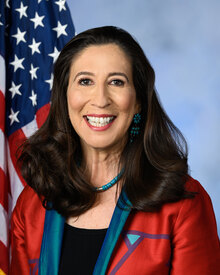


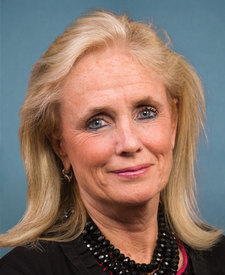
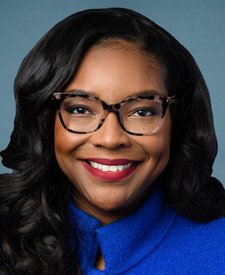
Legislative Progress
In CommitteeMs. Leger Fernandez (for herself and Mr. Fitzpatrick) introduced the …
Referred to the House Committee on Education and Workforce.
Introduced in House
Stakeholder Effects
cui bono?How this legislation distributes effects. Mention counts reflect frequency, not effect magnitude.
Grant recipients, State sexual assault coalitions, Technical assistance providers
Positive-direction: State sexual assault coalitions
Negative-direction: Grant recipients, Technical assistance providers
FVPSA grant office, Tribal coalitions
Positive-direction: Tribal coalitions
Negative-direction: FVPSA grant office
Bill Structure & Actor Mappings
Who is "The Secretary" in each section?
We use a combination of our own taxonomy and classification in addition to large language models to assess meaning and potential beneficiaries. High confidence means strong textual evidence. Always verify with the original bill text.
Learn more about our methodology