Securing Global Telecommunications Act
Sponsors

Legislative Progress
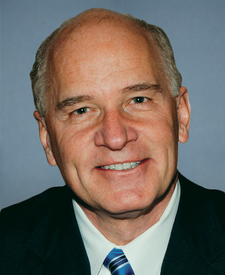
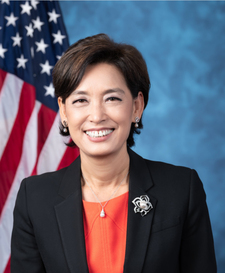
In CommitteeMr. Keating (for himself and Mrs. Kim) introduced the following …
Summary
What This Bill Does
The Securing Global Telecommunications Act directs the Secretary of State to develop a strategy for promoting secure telecommunications infrastructure in countries around the world. The bill responds to concerns about Chinese companies like Huawei dominating global telecom networks and the national security risks this creates, including the potential for China to intercept data or disrupt internet access in other countries.
Who Benefits and How
American telecommunications companies benefit by gaining government support to compete against Chinese rivals in global markets. The bill promotes financing mechanisms and diplomatic efforts to help U.S. telecom equipment makers win contracts for mobile networks, data centers, 6G technologies, and satellite systems. Allied nations also benefit from coordinated efforts to build secure networks using trusted vendors.
Who Bears the Burden and How
The State Department and other federal agencies face new reporting and strategy development requirements within 90 days of enactment. Chinese telecom companies like Huawei face increased competition as the U.S. government works to counter their market leadership. Countries currently using Chinese telecom equipment may face pressure to switch to U.S.-approved vendors.
Key Provisions
- Requires the Secretary of State to develop a "Strategy to Secure Global Telecommunications Infrastructure" covering mobile networks, data centers, 6G technology, and satellites
- Mandates a report on Russian and Chinese efforts to expand influence at the International Telecommunication Union (ITU) and advance authoritarian interests
- Requires a report identifying opportunities for coordination with allies to promote secure telecom infrastructure, including joint financing and diplomatic efforts
- Promotes "rip-and-replace" projects to help countries remove untrusted telecom equipment and switch to trusted vendors
- Expresses Congressional concern about Huawei's dominance in global mobile networks and the national security implications
Evidence Chain:
This summary is derived from the structured analysis below. See "Detailed Analysis" for per-title beneficiaries/burden bearers with clause-level evidence links.
Primary Purpose
The bill aims to promote American leadership in strategic technology industries, particularly telecommunications infrastructure, by developing a strategy for securing global telecommunications infrastructure and addressing the influence of companies linked to the Chinese Communist Party.
Policy Domains
Bill Structure & Actor Mappings
Who is "The Secretary" in each section?
- "the_secretary"
- → Secretary of State
- "the_administrator"
- → Administrator for the United States Agency on International Development
Key Definitions
Terms defined in this bill
The Secretary of State is tasked with developing a strategy, known as the Strategy to Secure Global Telecommunications Infrastructure (the Strategy), to promote secure telecommunication infrastructure in countries other than the United States. The Strategy involves collaboration between various federal entities and focuses on mobile networks, data centers, sixth-generation technologies (6G), and low-Earth orbit satellites.
The Secretary of State, in coordination with other federal entities, is tasked with developing a report that identifies opportunities for collaboration with allies and partners to promote secure information and communications technology infrastructure. This includes joint financing efforts, incorporating ICT focuses into development finance initiatives, and diplomatic coordination.
The bill may be cited as the Securing Global Telecommunications Act.
The Secretary of State is required to submit a report detailing Russian and Chinese strategies and efforts to expand the mandate of the ITU, advance authoritarian interests, and leverage private sector actors. The report aims to identify specific actions taken by China and Russia within the ITU.
Congress emphasizes the importance of American leadership in strategic technology industries, including telecommunications infrastructure. It highlights concerns about Chinese Communist Party-linked companies like Huawei and their impact on global mobile networks.
We use a combination of our own taxonomy and classification in addition to large language models to assess meaning and potential beneficiaries. High confidence means strong textual evidence. Always verify with the original bill text.
Learn more about our methodology