Extreme Heat Emergency Act of 2025
Analysis under review: This bill has generated analysis that may be too generic or incomplete. Clause-level evidence remains available below.
Summary
What This Bill Does
The bill creates short title establishing citation name for the act and defines amendment to major disaster definition in Stafford Act to include extreme heat as qualifying event for federal disaster relief. It relies on eligibility expand and definition changes. The main policy areas are Emergency Management, Labor, Healthcare, and Housing.
Who Benefits and How
State and local governments in heat-prone areas would be affected, FEMA (Federal Emergency Management Agency) would be affected, and Elderly and heat-vulnerable populations would be affected.
Who Bears the Burden and How
Federal Treasury/Taxpayers could face higher costs.
Key Provisions
- Creates short title establishing citation name for the act.
- Defines amendment to major disaster definition in Stafford Act to include extreme heat as qualifying event for federal disaster relief.
Evidence Chain:
This summary is generated from the full bill text using AI analysis. Expand "Detailed Analysis" below for identified beneficiaries/burden bearers with clause-level evidence links.
At a Glance
What This Bill Does
The bill creates short title establishing citation name for the act and defines amendment to major disaster definition in Stafford Act to include extreme heat as qualifying event for federal disaster relief.
Key Policy Areas
Emergency Management, Labor, Healthcare, Housing
Primary Purpose
The bill creates short title establishing citation name for the act and defines amendment to major disaster definition in Stafford Act to include extreme heat as qualifying event for federal disaster relief.
Policy Domains
Whole bill
Identified Gains
- State and local governments in heat-prone areas
- FEMA (Federal Emergency Management Agency)
- Elderly and heat-vulnerable populations
- Outdoor workers in extreme heat conditions
- Emergency medical services and hospitals
Identified Costs
- Federal Treasury/Taxpayers
Sponsors
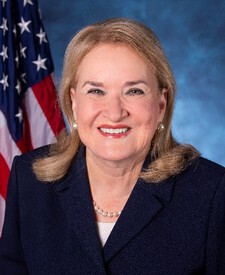
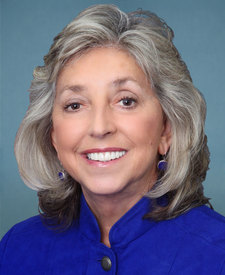
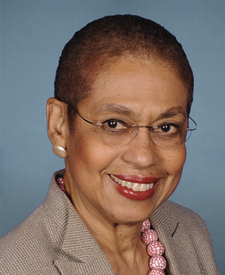
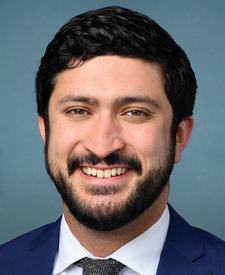
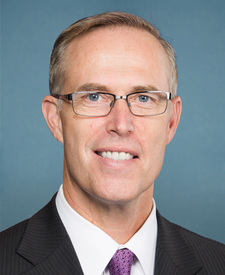
Legislative Progress
In CommitteeReferred to the Subcommittee on Economic Development, Public Buildings, and …
Ms. Garcia of Texas (for herself, Ms. Titus, Mr. Casten, …
Referred to the House Committee on Transportation and Infrastructure.
Introduced in House
Stakeholder Effects
cui bono?How this legislation distributes effects. Mention counts reflect frequency, not effect magnitude.
FEMA (Federal Emergency Management Agency), State and local governments in heat-prone areas
Bill Structure & Actor Mappings
Who is "The Secretary" in each section?
We use a combination of our own taxonomy and classification in addition to large language models to assess meaning and potential beneficiaries. High confidence means strong textual evidence. Always verify with the original bill text.
Learn more about our methodology