No More Narcos Act
Summary
What This Bill Does
The No More Narcos Act targets recruitment of minors by cartels and other transnational criminal organizations. Within one year after enactment, the Attorney General, acting through the DEA Administrator and consulting DHS, Education, ONDCP, and other appropriate federal, state, local, or tribal agencies, must establish and implement an informational campaign for covered students. Covered students are middle-grade and high-school students in U.S. communities within 100 miles of the United States-Mexico border. The campaign must educate them on the dangers and risks of working with cartels or other transnational criminal organizations. Separately, DHS must establish and implement a national strategy to combat targeting and recruitment of minors in the United States for unlawful smuggling or trafficking activities. The bill amends the DOJ Assets Forfeiture Fund so forfeiture assets can pay for both the campaign and the national strategy.
Who Benefits and How
Middle-grade students near the United States-Mexico border benefit from targeted education about recruitment by cartels and transnational criminal organizations. High-school students near the border benefit from prevention messaging about smuggling and trafficking recruitment risks. Border-community schools benefit from a federal campaign aimed at student safety and prevention. Federal anti-trafficking agencies benefit from a national strategy focused on recruitment of minors.
Who Bears the Burden and How
The Attorney General and DEA must design and implement the student information campaign within one year. The Department of Homeland Security must create and implement the national anti-recruitment strategy. The Department of Education and ONDCP must consult on campaign design and implementation. DOJ Assets Forfeiture Fund administrators must allow payments for the campaign and strategy.
Key Provisions
- Requires a DEA-led informational campaign for middle-grade and high-school students within 100 miles of the United States-Mexico border.
- Directs the campaign to educate students about risks of working with cartels and other transnational criminal organizations.
- Requires DHS to create a national strategy against targeting and recruitment of minors for unlawful smuggling or trafficking.
- Authorizes DOJ Assets Forfeiture Fund payments for the campaign and national strategy.
Evidence Chain:
This summary is generated from the full bill text using AI analysis. Expand "Detailed Analysis" below for identified beneficiaries/burden bearers with clause-level evidence links.
At a Glance
What This Bill Does
Requires a DEA-led student information campaign and a DHS national strategy against cartel and transnational-criminal-organization recruitment of minors near the United States-Mexico border, funded through the DOJ Assets Forfeiture Fund.
Key Policy Areas
Drug Enforcement, Border Security, Education
Primary Purpose
Requires a DEA-led student information campaign and a DHS national strategy against cartel and transnational-criminal-organization recruitment of minors near the United States-Mexico border, funded through the DOJ Assets Forfeiture Fund.
Policy Domains
Resolution provisions
Identified Gains
- Middle-grade students near the border
- High-school students near the border
- Border-community schools
- Federal anti-trafficking agencies
Identified Costs
- Attorney General
- Drug Enforcement Administration
- Department of Homeland Security
- Department of Education
- DOJ Assets Forfeiture Fund administrators
Sponsors
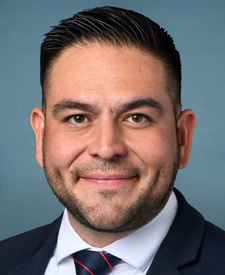

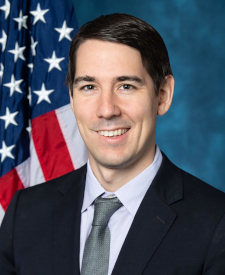
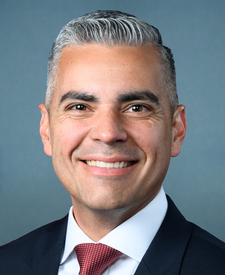
Legislative Progress
In CommitteeMr. Vasquez (for himself and Mr. Ciscomani) introduced the following …
Referred to the House Committee on the Judiciary.
Introduced in House
Stakeholder Effects
cui bono?How this legislation distributes effects. Mention counts reflect frequency, not effect magnitude.
Border-community schools, High-school students near the border, Middle-grade students near the border
Attorney General, Department of Homeland Security, Drug Enforcement Administration
Bill Structure & Actor Mappings
Who is "The Secretary" in each section?
We use a combination of our own taxonomy and classification in addition to large language models to assess meaning and potential beneficiaries. High confidence means strong textual evidence. Always verify with the original bill text.
Learn more about our methodology