To require the Secretary of State and the Secretary of Defense to develop a strategy in response to the global basing intentions of the People’s Republic of China.
Analysis under review: This bill has generated analysis that may be too generic or incomplete. Clause-level evidence remains available below.
Summary
What This Bill Does
This bill, To require the Secretary of State and the Secretary of Defense to develop a strategy in response to the global basing intentions of the People’s Republic of China., changes federal law or congressional policy affecting defense agencies, service members, and defense contractors. The main policy domain is Defense, Government Operations, Transportation.
Who Benefits and How
defense agencies, service members, and defense contractors may benefit from new authority, funding, eligibility, regulatory clarity, or reduced risk created by the bill.
Who Bears the Burden and How
federal implementing agencies, defense agencies, service members, and defense contractors may take on implementation duties, reporting obligations, compliance costs, or oversight responsibilities.
Key Provisions
- Section HA6142494139B4A99A016BA9FEAC6B9C7: 1. Short titles This Act may be cited as the Combating PRC Overseas and Unlawful Networked Threats through Enhanced Resilience Act of 2025 or the COUNTER Act...
- Section H47DDEA1D478F4663BC8980B9B694CF2F: 2. Findings According to multiple sources, including the 2024 annual report to Congress, titled Military and Security Developments Involving the People’s...
- Section H06834363DB004B059780AC0E036D80E9: 3. Sense of Congress While the executive branch has undertaken case-by-case efforts to forestall the establishment of new PRC permanent military presence in...
- Section HAB5622A2AA1A49BCABE49597BB1DF131: 4. Definitions In this Act: The term appropriate congressional committees means— the Committee on Foreign Relations of the Senate; the Committee on Armed...
- Section HE778DD82FF274AE6AD9FEE3077226199: 5. Assessment of executive branch's C–PRC global basing strategy Not later than 180 days after the date of the enactment of this Act, the Director of National...
Evidence Chain:
This summary is generated from the full bill text using AI analysis. Expand "Detailed Analysis" below for identified beneficiaries/burden bearers with clause-level evidence links.
At a Glance
What This Bill Does
Requires the Secretary of State and Secretary of Defense to develop and implement a comprehensive strategy to counter the People's Republic of China's global military basing intentions, with a focus on identifying and mitigating the risks posed by PRC overseas bases to U.S. and allied interests.
Key Policy Areas
Defense, Foreign Affairs, Intelligence
Primary Purpose
Requires the Secretary of State and Secretary of Defense to develop and implement a comprehensive strategy to counter the People's Republic of China's global military basing intentions, with a focus on identifying and mitigating the risks posed by PRC overseas bases to U.S. and allied interests.
Policy Domains
COUNTER Act of 2025
Identified Gains
- U.S. Defense establishment
- U.S. Intelligence Community
- Defense contractors
- U.S. allies in Indo-Pacific and Africa
Identified Costs
- State Department
- Department of Defense
- Countries hosting PRC bases (Djibouti, Cambodia)
- China/PRC
Sponsors

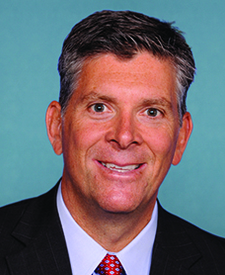
Legislative Progress
IntroducedMr. Krishnamoorthi (for himself and Mr. LaHood) introduced the following …
Impact analysis is available but no clear stakeholder effects identified. View clause-level analysis →
Bill Structure & Actor Mappings
Who is "The Secretary" in each section?
- "the_director"
- → Director of National Intelligence
- "the_secretary_state"
- → Secretary of State
- "the_secretary_defense"
- → Secretary of Defense
Key Definitions
Terms defined in this bill
Physical locations outside PRC where China maintains PLA, intelligence, or security forces or supporting infrastructure for potential power projection
People's Liberation Army of the PRC
Foreign Relations, Armed Services, Intelligence, and Appropriations committees of both chambers
We use a combination of our own taxonomy and classification in addition to large language models to assess meaning and potential beneficiaries. High confidence means strong textual evidence. Always verify with the original bill text.
Learn more about our methodology