STEM RESTART Act
Summary
What This Bill Does
The STEM RESTART Act adds a new WIOA section 172 for skilled-worker returnships in STEM fields. The bill defines returnships broadly to include internships, apprenticeships, reentry opportunities, direct hiring with support, and similar pathways that provide above-entry-level positions, above-entry-level salaries or stipends and benefits, training toward full-time careers, and advancement or leadership pathways. It targets unemployed or underemployed workers, including displaced or furloughed workers, who are mid-career skilled workers seeking to return or transition to in-demand STEM sectors, with attention to rural workers. It also defines small employers as those with more than 49 and fewer than 500 employees and medium employers as those with more than 499 and fewer than 10,000 employees. The practical effect is to make federal workforce dollars available for employers that build structured STEM reentry pipelines rather than only entry-level training.
Who Benefits and How
Mid-career STEM workers benefit from paid returnships, reentry opportunities, and training that can lead to above-entry-level jobs. Rural skilled workers benefit because the program specifically prioritizes workers from rural areas returning or transitioning to STEM work. Small STEM employers benefit from grant support to create on-the-job evaluation, education, and training programs. Medium-sized STEM employers benefit from incentives to build returnship programs for in-demand industry sectors.
Who Bears the Burden and How
The Department of Labor must administer the WIOA grant authority and evaluate eligible returnship programs. Grant recipients must provide above-entry-level compensation, training, benefits, and advancement pathways rather than nominal internships. Participating employers must design programs that support unemployed, underemployed, displaced, or furloughed skilled workers. Federal workforce administrators must distinguish qualifying STEM returnships from ordinary entry-level internships.
Key Provisions
- Creates WIOA section 172 grants for skilled workers returning or transitioning to the STEM workforce.
- Defines returnships to include internships, apprenticeships, reentry opportunities, direct hiring with support, and similar paid pathways.
- Requires qualifying opportunities to be above entry level, include above-entry-level pay or benefits, and provide training toward full-time careers.
- Prioritizes unemployed or underemployed mid-career skilled workers, including displaced or furloughed workers and rural workers.
- Targets small employers with 50 to 499 employees and medium employers with 500 to 9,999 employees.
Evidence Chain:
This summary is generated from the full bill text using AI analysis. Expand "Detailed Analysis" below for identified beneficiaries/burden bearers with clause-level evidence links.
At a Glance
What This Bill Does
Creates Workforce Innovation and Opportunity Act RESTART grants for small and medium-sized employers to return unemployed or underemployed mid-career workers to above-entry-level STEM jobs through paid returnships, training, and reentry pathways.
Key Policy Areas
STEM Workforce, Workforce Training, Small Business
Primary Purpose
Creates Workforce Innovation and Opportunity Act RESTART grants for small and medium-sized employers to return unemployed or underemployed mid-career workers to above-entry-level STEM jobs through paid returnships, training, and reentry pathways.
Policy Domains
Resolution provisions
Identified Gains
- Mid-career STEM workers
- Rural skilled workers
- Small STEM employers
- Medium-sized STEM employers
Identified Costs
- Department of Labor
- Grant recipients
- Participating employers
- Federal workforce administrators
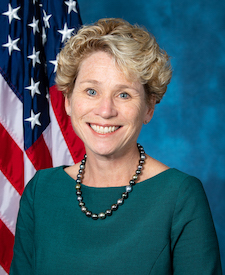
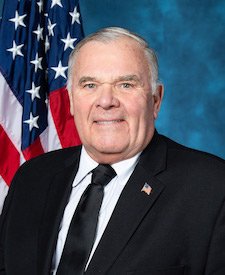
Sponsors


Legislative Progress
In CommitteeMs. Houlahan (for herself and Mr. Baird) introduced the following …
Referred to the House Committee on Education and Workforce.
Introduced in House
Stakeholder Effects
cui bono?How this legislation distributes effects. Mention counts reflect frequency, not effect magnitude.
Grant recipients, Mid-career STEM workers
Medium-sized STEM employers, Small STEM employers
Bill Structure & Actor Mappings
Who is "The Secretary" in each section?
We use a combination of our own taxonomy and classification in addition to large language models to assess meaning and potential beneficiaries. High confidence means strong textual evidence. Always verify with the original bill text.
Learn more about our methodology