Cosmetic Safety for Communities of Color and Professional Salon Workers Act of 2025
Summary
What This Bill Does
The Cosmetic Safety for Communities of Color and Professional Salon Workers Act targets cosmetic chemical exposure in communities and workplaces. HHS must conduct or fund epidemiological, clinical, ecological, social-science, and community-based participatory research on cosmetics marketed to women and girls of color, use patterns across lifespans, adverse health effects, and interventions to reduce exposure. HHS must also fund similar research for professional nail, hair, and beauty salon workers, including products and categories used in salons and safer alternatives. FDA must award grants for safer cosmetic chemical design, with priority for replacing harmful chemicals in professional products and products marketed to women and girls of color and for helping minority-owned cosmetic companies reformulate; the bill authorizes $10 million over the first five fiscal years for that work. HHS must fund a National Resource Center on Beauty Justice and a National Resource Center on Salon Worker Health and Safety to provide outreach, education, technical assistance, training, best practices, and culturally specific resources. OSHA must issue a standard within 18 months requiring multilingual safety data sheets for professional-use cosmetics in English, Spanish, Vietnamese, Chinese, Korean, and upon request other languages. The bill also brings synthetic braids within the cosmetic definition, creates FDA safety-standard and warning-label rules for braids that do not meet the standard, and preserves stronger state synthetic-braid protections.
Who Benefits and How
Women and girls of color benefit from research and outreach focused on cosmetic products marketed to them and exposure across their lifespans. Professional salon workers benefit from research, safer alternatives, multilingual safety data sheets, training, and a salon-worker health resource center. Minority-owned cosmetic companies benefit from safer-formulation assistance targeted to products for communities of color and salon workers. Community-based organizations benefit from grant eligibility and national resource-center work grounded in culturally and linguistically diverse communities.
Who Bears the Burden and How
HHS must run research grants, publish five-year reports, and award national resource-center grants. FDA must administer safer-chemical-design grants and regulate synthetic braids as cosmetics. The Department of Labor must issue the multilingual safety-data-sheet standard within 18 months. Cosmetic manufacturers and importers of professional-use products must provide safety data sheets online and in required languages. Synthetic braid manufacturers must meet FDA safety standards or carry warning labels on packaging and websites.
Key Provisions
- Requires HHS research on cosmetics marketed to women and girls of color, health disparities, exposure patterns, and interventions.
- Requires HHS research on chemical exposures affecting professional nail, hair, and beauty salon workers.
- Authorizes $10 million over five fiscal years for FDA grants supporting safer cosmetic chemical design and minority-owned company reformulation assistance.
- Creates National Resource Centers on Beauty Justice and Salon Worker Health and Safety for outreach, training, technical assistance, and culturally specific resources.
- Requires an OSHA safety-data-sheet standard within 18 months with English, Spanish, Vietnamese, Chinese, Korean, and requested-language access.
- Adds synthetic braids to FDA cosmetic regulation and requires safety standards or warning labels for noncompliant synthetic braids.
Evidence Chain:
This summary is generated from the full bill text using AI analysis. Expand "Detailed Analysis" below for identified beneficiaries/burden bearers with clause-level evidence links.
At a Glance
What This Bill Does
Funds cosmetic-safety research, safer-ingredient alternatives, beauty-justice resource centers, multilingual safety data sheets, salon-worker health programs, and FDA regulation of synthetic braids.
Key Policy Areas
Cosmetics, Public Health, Worker Safety
Primary Purpose
Funds cosmetic-safety research, safer-ingredient alternatives, beauty-justice resource centers, multilingual safety data sheets, salon-worker health programs, and FDA regulation of synthetic braids.
Policy Domains
Resolution provisions
Identified Gains
- Women and girls of color
- Professional salon workers
- Minority-owned cosmetic companies
- Community-based organizations
Identified Costs
- Department of Health and Human Services
- Food and Drug Administration
- Department of Labor
- Cosmetic manufacturers
- Synthetic braid manufacturers
Sponsors

Legislative Progress
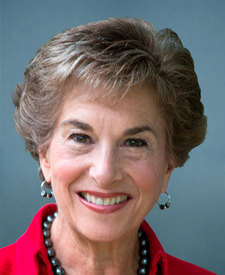
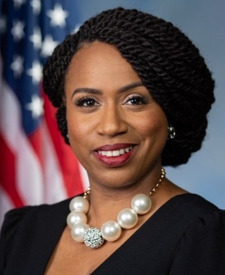
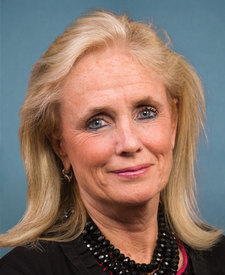
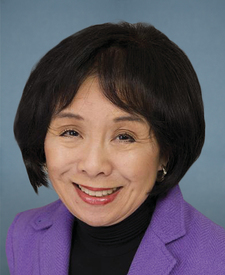
In CommitteeMs. Schakowsky (for herself, Ms. Pressley, Mrs. Dingell, Mr. Evans …
Referred to the Committee on Energy and Commerce, and in …
Introduced in House
Stakeholder Effects
cui bono?How this legislation distributes effects. Mention counts reflect frequency, not effect magnitude.
Minority-owned cosmetic companies, Synthetic braid manufacturers
Department of Health and Human Services, Department of Labor
Bill Structure & Actor Mappings
Who is "The Secretary" in each section?
We use a combination of our own taxonomy and classification in addition to large language models to assess meaning and potential beneficiaries. High confidence means strong textual evidence. Always verify with the original bill text.
Learn more about our methodology