To amend the Federal Food, Drug, and Cosmetic Act to ban certain substances in cosmetic products, and for other purposes.
Sponsors


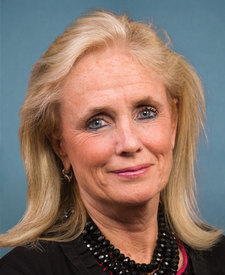


Legislative Progress
IntroducedMs. Schakowsky (for herself, Mrs. Fletcher, Mrs. Dingell, Mr. Evans …
Summary
What This Bill Does
The Toxic-Free Beauty Act of 2025 bans the sale of cosmetic products in the United States that contain specific toxic chemicals and harmful contaminants. Starting January 1, 2027, cosmetics cannot contain intentionally added ingredients like phthalates, formaldehyde, mercury, certain parabens, and 15 other toxic chemicals. The bill also prohibits cosmetics with dangerous contaminants above certain levels, including lead, 1,4 dioxane, and asbestos-contaminated talc. The legislation updates federal law to define key terms like "color cosmetic," "general cosmetic," and "contaminant."
Who Benefits and How
Consumers, particularly those who use makeup and personal care products, benefit through reduced exposure to toxic chemicals linked to cancer, hormone disruption, and other health problems. Cosmetic manufacturers that already use safer ingredients gain a competitive advantage as their products automatically comply with the new standards. Alternative chemical suppliers that produce non-toxic preservatives and ingredients will see increased demand for their products. States gain explicit authority to implement even stricter cosmetic safety rules than the federal ban. Testing and certification laboratories will benefit from increased demand for cosmetic safety testing services.
Who Bears the Burden and How
Cosmetic manufacturers currently using banned chemicals must reformulate their products by January 2027, which involves research, development, and production changes. Chemical suppliers that produce phthalates, formaldehyde-releasing preservatives, and other banned ingredients will lose a portion of their cosmetics market. Companies that import cosmetics from countries with less stringent safety standards face compliance costs to ensure their products meet U.S. requirements. Talc mining and processing companies must implement more rigorous testing to detect asbestos contamination at the lowest possible levels. The FDA faces an increased enforcement workload to monitor compliance and take action against violators.
Key Provisions
- Bans any intentionally added ortho-phthalates and formaldehyde-releasing preservatives in cosmetics
- Prohibits 15 specific toxic chemicals including formaldehyde, mercury compounds, styrene, toluene, and triclosan
- Sets maximum contaminant levels: 2 parts per million for 1,4 dioxane; 2 ppm of lead for color cosmetics or 5 ppm for general cosmetics; and the lowest detectable limit for asbestos in talc
- Explicitly preserves state authority to ban additional cosmetic ingredients or set stricter limits beyond the federal requirements
- Takes effect January 1, 2027, giving manufacturers approximately two years to reformulate products and clear existing inventory
Evidence Chain:
This summary is derived from the structured analysis below. See "Detailed Analysis" for per-title beneficiaries/burden bearers with clause-level evidence links.
Primary Purpose
Amends the Federal Food, Drug, and Cosmetic Act to ban specific toxic chemicals and contaminants in cosmetic products sold in interstate commerce
Policy Domains
Legislative Strategy
"Enhance consumer safety by prohibiting harmful chemicals in cosmetics while preserving state rights to implement stricter regulations"
Likely Beneficiaries
- Consumers (especially those using color cosmetics)
- Public health advocates
- Cosmetic manufacturers using safer alternatives
- State regulators seeking to enforce stricter standards
Likely Burden Bearers
- Cosmetic manufacturers using banned chemicals
- Cosmetic importers with non-compliant products
- Chemical suppliers of banned ingredients
Bill Structure & Actor Mappings
Who is "The Secretary" in each section?
- "enforcing_agency"
- → FDA (Food and Drug Administration)
- "regulated_parties"
- → Cosmetic manufacturers and distributors
Key Definitions
Terms defined in this bill
A cosmetic that either enhances or conceals natural pigment of an individual's skin by applying color, including eyeshadow, eyeliner, blush, lipstick, and foundation
A chemical that was not intentionally added to a cosmetic and is incidental to the manufacturing process and serves no intended function in the finished cosmetic
A chemical that releases formaldehyde, to preserve the cosmetic
A cosmetic that is not primarily intended to provide color, including a product that cleanses, protects, moisturizes, provides fragrance, or enhances appearance without imparting color
Any single chemical entity or mixture used as a component in the manufacture of a cosmetic
With respect to a cosmetic, the addition of a chemical to a cosmetic that serves an intended function in the cosmetic
Any member of the class of organic chemicals that are esters of phthalic acid containing two carbon chains located in the ortho position
We use a combination of our own taxonomy and classification in addition to large language models to assess meaning and potential beneficiaries. High confidence means strong textual evidence. Always verify with the original bill text.
Learn more about our methodology