Palliative Care and Hospice Education and Training Act
Summary
What This Bill Does
The Palliative Care and Hospice Education and Training Act builds federal training, information, and research infrastructure for care of people with serious or life-threatening illness. HHS must award grants or contracts for Palliative Care and Hospice Education Programs that train health professionals through traineeships or fellowships, emphasize patient and family engagement, integrate palliative and hospice care with primary and specialty care, collaborate with community partners, and support clinical and interprofessional training plus community-based programs. HHS must prioritize coordinated programs and applicants expected to benefit rural, medically underserved, frontier shortage, Tribal, pediatric, and other priority populations. The bill adds hospice and palliative nursing to nursing workforce authorities and authorizes $5 million annually from fiscal years 2026 through 2030 for grants or contracts with nursing schools, health care facilities, certified nurse assistant programs, or partnerships to train staff, develop curricula, train faculty, and provide continuing education. AHRQ may disseminate information to patients, families, and health professionals on palliative care benefits across illnesses such as cancer, heart, kidney, liver, lung, infectious, dementia, Parkinson's, and ALS, including pain and symptom management, shared decision making, care coordination, psychosocial care, spiritual care, evidence, and targeted materials. The bill clarifies that no funds may be used to provide, promote, or train on federally unfunded assisted-death items or services, and that palliative and hospice care may not be furnished to cause or assist a patient's death. NIH must develop a cross-institute palliative care research strategy beginning January 1, 2026.
Who Benefits and How
Patients with serious or life-threatening illness benefit from better-trained clinicians, palliative care information, and expanded research. Family caregivers benefit from education emphasizing patient and family engagement, shared decision making, care coordination, and quality of life. Hospice and palliative care training programs benefit from HHS grants, contracts, traineeships, fellowships, curricula, and faculty training. Rural, medically underserved, frontier, Tribal, and pediatric populations benefit because HHS must prioritize programs serving them.
Who Bears the Burden and How
The Secretary of Health and Human Services must administer palliative and hospice education grants, nursing grants, and NIH research strategy work. AHRQ must develop and disseminate patient, family, and professional information if it uses the new authority. Grant recipients must coordinate with other programs, avoid duplication, meet training requirements, and comply with assisted-death funding restrictions. Federal taxpayers fund the new education, nursing, dissemination, and research activities, including $5 million annually for nursing training through 2030.
Key Provisions
- Creates Palliative Care and Hospice Education Program grants or contracts for health professional training, traineeships, fellowships, and community-based programs.
- Authorizes $5 million annually from fiscal years 2026 through 2030 for hospice and palliative nursing education and training grants.
- Provides AHRQ authority to disseminate palliative care information to patients, families, and health professionals.
- Bars funds from providing, promoting, or training on assisted-death services and states palliative or hospice care may not be furnished to cause death.
- Requires NIH to develop and implement a cross-institute palliative care research strategy.
Evidence Chain:
This summary is generated from the full bill text using AI analysis. Expand "Detailed Analysis" below for identified beneficiaries/burden bearers with clause-level evidence links.
At a Glance
What This Bill Does
Creates palliative and hospice education grants, nursing training grants, AHRQ information dissemination, NIH palliative care research strategy, and safeguards barring funds for assisted-death services or training.
Key Policy Areas
Palliative Care, Medical Training, NIH Research
Primary Purpose
Creates palliative and hospice education grants, nursing training grants, AHRQ information dissemination, NIH palliative care research strategy, and safeguards barring funds for assisted-death services or training.
Policy Domains
Resolution provisions
Identified Gains
- Patients with serious illness
- Family caregivers
- Hospice and palliative care training programs
- Rural medically underserved patients
Identified Costs
- Secretary of Health and Human Services
- Agency for Healthcare Research and Quality
- Grant recipients
- Federal taxpayers
Sponsors
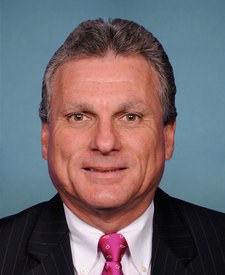
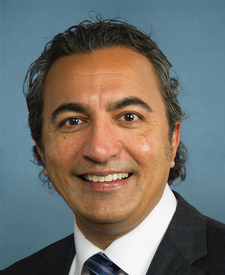



Legislative Progress
In CommitteeMr. Carter of Georgia (for himself and Mr. Bera) introduced …
Referred to the House Committee on Energy and Commerce.
Introduced in House
Stakeholder Effects
cui bono?How this legislation distributes effects. Mention counts reflect frequency, not effect magnitude.
Agency for Healthcare Research and Quality, Secretary of Health and Human Services
Bill Structure & Actor Mappings
Who is "The Secretary" in each section?
We use a combination of our own taxonomy and classification in addition to large language models to assess meaning and potential beneficiaries. High confidence means strong textual evidence. Always verify with the original bill text.
Learn more about our methodology