To establish a process by which the appointment of Supreme Court Justices can occur at regular time intervals, and for other purposes.
Analysis under review: This bill has generated analysis that may be too generic or incomplete. Clause-level evidence remains available below.
Summary
What This Bill Does
This bill, To establish a process by which the appointment of Supreme Court Justices can occur at regular time intervals, and for other purposes., changes federal law or congressional policy affecting law enforcement, courts, victims, and regulated public-safety actors. The main policy domain is Criminal Justice, Social Welfare, Immigration.
Who Benefits and How
law enforcement, courts, victims, and regulated public-safety actors may benefit from new authority, funding, eligibility, regulatory clarity, or reduced risk created by the bill.
Who Bears the Burden and How
federal implementing agencies, law enforcement, courts, victims, and regulated public-safety actors may take on implementation duties, reporting obligations, compliance costs, or oversight responsibilities.
Key Provisions
- Section HD31236BA06EC4B8FA27A3C5596CAB0F0: 1. Short title This Act may be cited as the Supreme Court Term Limits and Regular Appointments Act of 2023.
- Section H82E117C49EC84CE3ADB7292B1146E660: 2. Supreme Court term limits Chapter 1 of title 28, United States Code, is amended by adding at the end the following: 7.Term limitsThe President shall, during...
- Section H8429E1A3D3D14F909F1A7BC53D88B0CA: 7. Term limits The President shall, during the first and third years after a year in which there is a Presidential election, nominate, and by and with the...
- Section HE90E7783A53444C882888A4D41C0DB78: 8. Senior Justices Except as provided in subsection (c), the panel of justices exercising Judicial power in Cases and Controversies shall comprise the nine...
- Section H63E10AABD2074D49893F16DF20BB3400: 9. Waiver of advice and consent authority If the Senate does not exercise its advice and consent authority with respect to a President’s nominee to the Supreme...
Evidence Chain:
This summary is generated from the full bill text using AI analysis. Expand "Detailed Analysis" below for identified beneficiaries/burden bearers with clause-level evidence links.
At a Glance
What This Bill Does
This bill, To establish a process by which the appointment of Supreme Court Justices can occur at regular time intervals, and for other purposes., changes federal law or congressional policy affecting law enforcement, courts, victims, and regulated public-safety actors.
Key Policy Areas
Criminal Justice, Social Welfare, Immigration
Primary Purpose
This bill, To establish a process by which the appointment of Supreme Court Justices can occur at regular time intervals, and for other purposes., changes federal law or congressional policy affecting law enforcement, courts, victims, and regulated public-safety actors.
Policy Domains
Whole bill
Identified Gains
- law enforcement, courts, victims, and regulated public-safety actors
Identified Costs
- federal implementing agencies
- law enforcement, courts, victims, and regulated public-safety actors
Sponsors
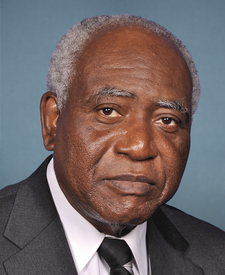
Legislative Progress
IntroducedMr. Khanna (for himself, Mr. Beyer, Mr. Blumenauer, Mr. Boyle …
Impact analysis is available but no clear stakeholder effects identified. View clause-level analysis →
Bill Structure & Actor Mappings
Who is "The Secretary" in each section?
- "federal_implementing_agencies"
- → Federal agencies assigned duties by the bill
We use a combination of our own taxonomy and classification in addition to large language models to assess meaning and potential beneficiaries. High confidence means strong textual evidence. Always verify with the original bill text.
Learn more about our methodology