Mobile Cancer Screening Act
Summary
What This Bill Does
The Mobile Cancer Screening Act responds to low early detection rates, especially for lung cancer: 2 million U.S. cancer diagnoses each year, 127,070 lung-cancer deaths in 2023, only 4.5 percent of eligible people screened for lung cancer in 2022, and only 26.6 percent of lung cancer cases diagnosed at an early stage despite a 63 percent five-year survival rate when caught early. The bill directs the Secretary, acting through HRSA, to award grants, contracts, or cooperative agreements for new mobile cancer screening units that expand access in rural and underserved areas. Eligible entities include nonprofit hospitals, federally qualified health centers, academic health centers, health systems, and collaborations among them. Funds can buy commercial vehicles, imaging technology, digital tools, and other essential startup or operating costs. Awards are capped at $2 million. HRSA must prioritize applicants with the highest potential effect on mortality and screening gaps for high-risk individuals, applicants serving rural areas or areas served by the Indian Health Service, and applicants able to provide comprehensive follow-up care for abnormal findings within 90 minutes by ground transportation. Recipients must contribute at least $1 nonfederal for every $3 awarded, and HHS must report to Congress within four years.
Who Benefits and How
Rural patients benefit from mobile screening units that bring cancer screening closer to underserved communities. High-risk people eligible for lung cancer screening benefit from grants targeted at mortality impact and screening gaps. Federally qualified health centers and nonprofit hospitals benefit from awards for vehicles, imaging technology, digital tools, and startup costs. Patients in Indian Health Service areas benefit because HRSA must prioritize applicants serving those areas.
Who Bears the Burden and How
HRSA must run the grant, contract, or cooperative-agreement program and submit a four-year congressional report. Award recipients must provide a one-to-three nonfederal match and arrange comprehensive follow-up care within 90 minutes by ground transportation. Mobile screening operators must cover equipment, staffing, digital tools, vehicle operation, and abnormal-finding workflows. Federal taxpayers fund awards of up to $2 million per selected entity.
Key Provisions
- Creates HRSA awards for new mobile cancer screening units in rural and underserved areas.
- Caps each award at $2 million and allows vehicle, imaging, digital tool, startup, and operating costs.
- Requires HRSA to prioritize mortality impact, high-risk screening gaps, rural areas, Indian Health Service areas, and follow-up care within 90 minutes.
- Requires recipients to contribute at least $1 nonfederal for every $3 in federal award funds and requires a four-year report.
Evidence Chain:
This summary is generated from the full bill text using AI analysis. Expand "Detailed Analysis" below for identified beneficiaries/burden bearers with clause-level evidence links.
At a Glance
What This Bill Does
Authorizes HRSA grants, contracts, or cooperative agreements up to $2 million for new mobile cancer screening units serving rural and underserved areas, with priority for mortality impact, high-risk screening gaps, Indian Health Service areas, 90-minute follow-up care, and a 1-to-3 nonfederal match.
Key Policy Areas
Cancer Screening, Rural Health, Health Grants
Primary Purpose
Authorizes HRSA grants, contracts, or cooperative agreements up to $2 million for new mobile cancer screening units serving rural and underserved areas, with priority for mortality impact, high-risk screening gaps, Indian Health Service areas, 90-minute follow-up care, and a 1-to-3 nonfederal match.
Policy Domains
Resolution provisions
Identified Gains
- Rural patients
- High-risk people eligible for lung cancer screening
- Federally qualified health centers
- Patients in Indian Health Service areas
Identified Costs
- Health Resources and Services Administration
- Award recipients
- Mobile screening operators
- Federal taxpayers
Sponsors
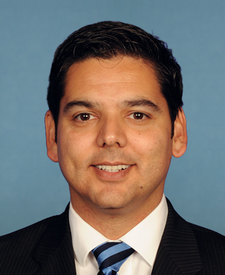
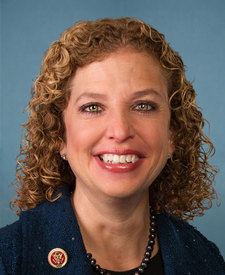
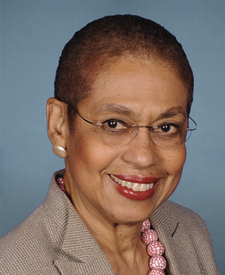

Legislative Progress
In CommitteeMr. Ruiz (for himself, Mr. Evans of Colorado, and Ms. …
Referred to the House Committee on Energy and Commerce.
Introduced in House
Stakeholder Effects
cui bono?How this legislation distributes effects. Mention counts reflect frequency, not effect magnitude.
Award recipients, Federally qualified health centers
Positive-direction: Federally qualified health centers
Negative-direction: Award recipients
High-risk people eligible for lung cancer screening
Bill Structure & Actor Mappings
Who is "The Secretary" in each section?
We use a combination of our own taxonomy and classification in addition to large language models to assess meaning and potential beneficiaries. High confidence means strong textual evidence. Always verify with the original bill text.
Learn more about our methodology