To establish in the National Oceanic and Atmospheric Administration a program to improve precipitation forecasts, and for other purposes.
Analysis under review: This bill has generated analysis that may be too generic or incomplete. Clause-level evidence remains available below.
Summary
What This Bill Does
The bill establishes a new NOAA program to improve precipitation forecasts through Earth System Models, high-performance computing, and AI/ML collaboration with academic and private sector partners. Authorizes approximately. It relies on appropriations and grants. The main policy areas are Technology, Science & Technology, and Education.
Who Benefits and How
NOAA could gain revenue opportunities, Weather technology companies could gain revenue opportunities, and Academic research institutions could gain revenue opportunities.
Who Bears the Burden and How
No clear private burden is identified from the available clause analysis; implementing agencies may still take on administrative work.
Key Provisions
- Establishes a new NOAA program to improve precipitation forecasts through Earth System Models, high-performance computing, and AI/ML collaboration with academic and private sector partners. Authorizes approximately...
Evidence Chain:
This summary is generated from the full bill text using AI analysis. Expand "Detailed Analysis" below for identified beneficiaries/burden bearers with clause-level evidence links.
At a Glance
What This Bill Does
The bill establishes a new NOAA program to improve precipitation forecasts through Earth System Models, high-performance computing, and AI/ML collaboration with academic and private sector partners. Authorizes approximately.
Key Policy Areas
Technology, Science & Technology, Education
Primary Purpose
The bill establishes a new NOAA program to improve precipitation forecasts through Earth System Models, high-performance computing, and AI/ML collaboration with academic and private sector partners. Authorizes approximately.
Policy Domains
Section 1 - Establishment of NOAA precipitation forecasts program
Identified Gains
- NOAA
- Weather technology companies
- Academic research institutions
- AI/ML technology firms
- High-performance computing providers
Sponsors
Legislative Progress
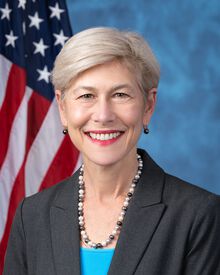
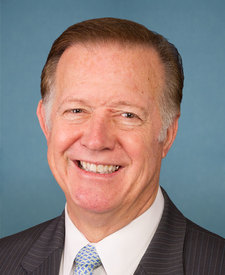
IntroducedMs. Ross (for herself and Mr. Weber of Texas) introduced …
Stakeholder Effects
cui bono?How this legislation distributes effects. Mention counts reflect frequency, not effect magnitude.
AI/ML technology firms, High-performance computing providers, Weather technology companies
Bill Structure & Actor Mappings
Who is "The Secretary" in each section?
- "the_director"
- → Director of the National Weather Service
- "the_administrator"
- → Administrator of NOAA
We use a combination of our own taxonomy and classification in addition to large language models to assess meaning and potential beneficiaries. High confidence means strong textual evidence. Always verify with the original bill text.
Learn more about our methodology