National Nursing Workforce Center Act of 2025
Summary
What This Bill Does
The National Nursing Workforce Center Act adds a state and regional nursing workforce center pilot to title VII of the Public Health Service Act. HHS may run a two-year pilot, starting within one year, to establish new or enhance existing state-based nursing workforce centers, evaluate their effect, and test public-private partnerships. Grants last two years and require nonfederal cash or in-kind contributions of at least $1 for every $4 in federal funds. Eligible entities include state agencies, state boards of nursing, 501(c)(3) organizations, community-based organizations, schools of nursing, and other approved schools or programs. HHS must distribute grants geographically and prioritize entities proposing statewide services, expertise in state nursing workforce issues, a history convening stakeholders, and partnerships. The bill also amends health workforce analysis authority so at least one grant or contract may go to an entity focused on nursing workforce data and state-center support. Funded analysis can produce regional and national supply, demand, and education-capacity reports, peer-reviewed articles, conference presentations, policy briefs, program evaluations, evidence-based strategies to address shortages, maldistribution work, rapid data analysis, and technical assistance for standardized data collection and training.
Who Benefits and How
State nursing workforce centers benefit from pilot grants to build or expand data and coordination capacity. Nursing schools benefit from workforce data and strategies that identify education and training capacity needs. Nurses in shortage areas benefit if better workforce data leads to targeted recruitment, retention, and maldistribution strategies. Health workforce researchers benefit from grants or contracts for nursing supply, demand, education, and rapid analysis work.
Who Bears the Burden and How
The Secretary of Health and Human Services must implement the pilot within one year, distribute grants, and oversee evaluation. Pilot grantees must provide at least $1 in nonfederal contributions for every $4 of federal funds. Nursing workforce data centers must standardize data collection, analysis, reporting, and technical assistance. State nursing partners must coordinate across boards, schools, community organizations, and employers to support statewide services.
Key Provisions
- Creates a two-year state-based nursing workforce center pilot program beginning within one year.
- Requires grantees to contribute at least $1 nonfederal for every $4 in federal funds.
- Prioritizes statewide nursing workforce expertise, stakeholder convening history, and partnerships.
- Expands health workforce analysis grants for nursing data, shortage strategies, publications, evaluation, technical assistance, and rapid research.
Evidence Chain:
This summary is generated from the full bill text using AI analysis. Expand "Detailed Analysis" below for identified beneficiaries/burden bearers with clause-level evidence links.
At a Glance
What This Bill Does
Creates a two-year HHS pilot for state nursing workforce centers with a 1-to-4 nonfederal match and expands health workforce analysis grants to support nursing workforce data, shortage strategies, technical assistance, and rapid research.
Key Policy Areas
Nursing, Health Workforce, Data
Primary Purpose
Creates a two-year HHS pilot for state nursing workforce centers with a 1-to-4 nonfederal match and expands health workforce analysis grants to support nursing workforce data, shortage strategies, technical assistance, and rapid research.
Policy Domains
Resolution provisions
Identified Gains
- State nursing workforce centers
- Nursing schools
- Nurses in shortage areas
- Health workforce researchers
Identified Costs
- Secretary of Health and Human Services
- Pilot grantees
- Nursing workforce data centers
- State nursing partners
Sponsors
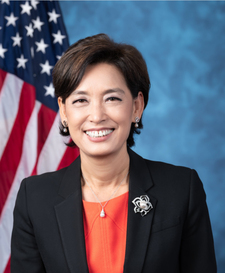
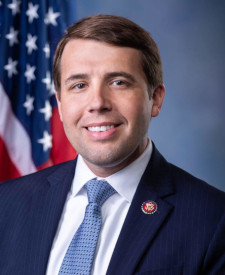
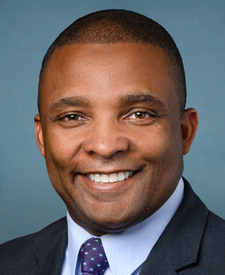


Legislative Progress
In CommitteeMrs. Kim (for herself, Ms. Strickland, Mr. Bacon, Ms. McBride, …
Referred to the House Committee on Energy and Commerce.
Introduced in House
Stakeholder Effects
cui bono?How this legislation distributes effects. Mention counts reflect frequency, not effect magnitude.
Nurses in shortage areas, Nursing schools, Nursing workforce data centers
Positive-direction: Nurses in shortage areas, State nursing workforce centers
Negative-direction: Nursing workforce data centers, Pilot grantees
Bill Structure & Actor Mappings
Who is "The Secretary" in each section?
We use a combination of our own taxonomy and classification in addition to large language models to assess meaning and potential beneficiaries. High confidence means strong textual evidence. Always verify with the original bill text.
Learn more about our methodology