Rural 340B Access Act of 2025
Summary
What This Bill Does
The Rural 340B Access Act amends section 340B(a)(4) of the Public Health Service Act to add rural emergency hospitals as covered entities. A rural emergency hospital qualifies if it is owned or operated by a state or local government, is a public or private nonprofit corporation formally granted governmental powers by a state or local government, or is a private nonprofit rural emergency hospital with a state or local government contract to provide health care services to low-income individuals who are not Medicare beneficiaries and are not eligible for Medicaid under the state plan. The practical effect is to let those rural emergency hospitals buy outpatient drugs at 340B discounted prices and use the savings to support rural emergency and outpatient care.
Who Benefits and How
Rural emergency hospitals benefit because 340B covered-entity status can lower outpatient drug acquisition costs. Low-income rural patients served under government contracts benefit if 340B savings support uncompensated or discounted care. State and local governments benefit when contracted nonprofit rural emergency hospitals have another financing tool for low-income care. Rural communities benefit if drug-discount savings help keep emergency hospital services available.
Who Bears the Burden and How
Drug manufacturers must provide 340B discounts to newly eligible rural emergency hospitals. HRSA 340B program staff must enroll, oversee, and audit the new rural emergency hospital covered-entity category. Rural emergency hospitals must document ownership, governmental powers, or government-contract eligibility. Commercial pharmacies and drug distribution partners may need to update 340B contract and replenishment arrangements.
Key Provisions
- Amends the Public Health Service Act's 340B covered-entity list.
- Adds rural emergency hospitals meeting government ownership, governmental powers, or nonprofit government-contract criteria.
- Extends 340B discounted outpatient drug purchasing to eligible rural emergency hospitals.
- Targets hospitals serving low-income patients who are not Medicare beneficiaries and not eligible for Medicaid.
Evidence Chain:
This summary is generated from the full bill text using AI analysis. Expand "Detailed Analysis" below for identified beneficiaries/burden bearers with clause-level evidence links.
At a Glance
What This Bill Does
Adds qualifying rural emergency hospitals to the list of 340B Drug Pricing Program covered entities when they are government owned or operated, government-powered nonprofits, or nonprofit hospitals under government contract to serve low-income non-Medicare and non-Medicaid patients.
Key Policy Areas
340B, Rural Health, Prescription Drugs
Primary Purpose
Adds qualifying rural emergency hospitals to the list of 340B Drug Pricing Program covered entities when they are government owned or operated, government-powered nonprofits, or nonprofit hospitals under government contract to serve low-income non-Medicare and non-Medicaid patients.
Policy Domains
Resolution provisions
Identified Gains
- Rural emergency hospitals
- Low-income rural patients
- State and local governments
- Rural communities
Identified Costs
- Drug manufacturers
- HRSA 340B program staff
- Rural emergency hospital compliance teams
- Commercial pharmacy partners
Sponsors

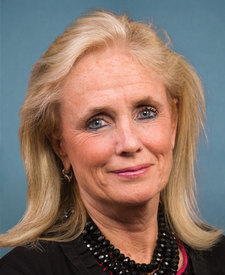

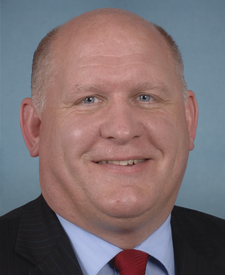
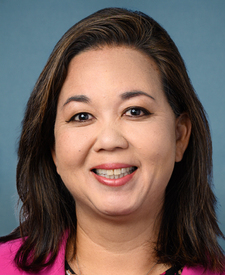
Legislative Progress
In CommitteeMr. Bergman (for himself and Mrs. Dingell) introduced the following …
Referred to the House Committee on Energy and Commerce.
Introduced in House
Stakeholder Effects
cui bono?How this legislation distributes effects. Mention counts reflect frequency, not effect magnitude.
Rural emergency hospital compliance teams, Rural emergency hospitals
Positive-direction: Rural emergency hospitals
Negative-direction: Rural emergency hospital compliance teams
HRSA 340B program staff, State and local governments
Positive-direction: State and local governments
Negative-direction: HRSA 340B program staff
Bill Structure & Actor Mappings
Who is "The Secretary" in each section?
We use a combination of our own taxonomy and classification in addition to large language models to assess meaning and potential beneficiaries. High confidence means strong textual evidence. Always verify with the original bill text.
Learn more about our methodology