Muslim Brotherhood Terrorist Designation Act of 2025
Summary
What This Bill Does
This bill adds the Muslim Brotherhood to prohibitions in the Anti-Terrorism Act of 1987 that previously focused on the PLO. It inserts findings about Hamas, the Counterterrorism Guide, the October 7, 2023 attack, and Muslim Brotherhood branches in Middle Eastern partner countries. It then amends operative prohibitions so the Muslim Brotherhood and its affiliates are treated as covered terrorist organizations for U.S. operations restrictions.
The bill requires the Secretary of State to impose visa-related sanctions on foreign persons whom the President determines, based on credible evidence, are Muslim Brotherhood members. Those measures include inadmissibility, ineligibility, and immediate revocation of current visas. It defines Muslim Brotherhood, Muslim Brotherhood branch, Muslim Brotherhood member, foreign person, and United States person, and includes branches, charities, organizations, Hamas, Lajnat al-Daawa al-Islamiya, and affiliates operating in a long list of countries or any jurisdiction identified by the Secretary of State.
A separate designation section requires the Secretary of State, within 90 days and annually thereafter, to report to congressional committees identifying Muslim Brotherhood branches and determining whether each branch has been designated, meets designation criteria, or engaged in conduct that may justify designation as a foreign terrorist organization or Specially Designated Global Terrorist. The President must impose sanctions on the Muslim Brotherhood or successor organization and must impose branch sanctions after positive determinations, with a four-year minimum period before sanctions may be removed.
Who Benefits and How
U.S. counterterrorism officials benefit from clearer statutory authority to treat the Muslim Brotherhood and specified branches as targets for operational restrictions, terrorist designations, and visa sanctions. Secretary of State counterterrorism staff benefit from mandated reports that create a regular review process for branches and affiliates. Middle East partner governments that already outlawed the Muslim Brotherhood benefit from U.S. alignment with their security posture. U.S. communities threatened by Hamas or Iran-aligned extremist activity benefit from expanded designation and visa-screening tools. Congressional foreign affairs and judiciary committee staff benefit from annual reporting on branches, designations, and sanctions.
Who Bears the Burden and How
Muslim Brotherhood branch entities, successor organizations, Hamas-linked organizations, and foreign Muslim Brotherhood members face designation, blocked-property, inadmissibility, visa revocation, and operational restrictions. Secretary of State visa staff, consular officers, and counterterrorism staff must collect credible evidence, impose visa measures, identify branches, and write annual reports. President national security staff must make sanctions determinations and maintain four-year restrictions after positive branch determinations. U.S. financial institutions and sanctions compliance officers must screen for any new Specially Designated Global Terrorist listings and blocked property obligations.
Key Provisions
- Adds Muslim Brotherhood references to Anti-Terrorism Act provisions restricting terrorist-organization operations in the United States.
- Requires the Secretary of State to impose visa ineligibility and immediate visa revocation for foreign Muslim Brotherhood members identified by the President.
- Defines Muslim Brotherhood branches to include Hamas, Lajnat al-Daawa al-Islamiya, and directly or indirectly affiliated entities in listed countries or jurisdictions.
- Requires a State Department report within 90 days and annually thereafter identifying branches and designation determinations.
- Requires foreign terrorist organization or Specially Designated Global Terrorist sanctions after positive branch determinations and limits removal for four years.
Evidence Chain:
This summary is generated from the full bill text using AI analysis. Expand "Detailed Analysis" below for identified beneficiaries/burden bearers with clause-level evidence links.
At a Glance
What This Bill Does
Expands the Anti-Terrorism Act of 1987 to cover the Muslim Brotherhood, requires visa ineligibility and revocation sanctions for foreign Muslim Brotherhood members, defines Muslim Brotherhood branches broadly, and requires annual State Department reports and terrorist-designation sanctions for the Muslim Brotherhood and qualifying branches.
Key Policy Areas
Counterterrorism, Sanctions, Immigration, Foreign Policy
Primary Purpose
Expands the Anti-Terrorism Act of 1987 to cover the Muslim Brotherhood, requires visa ineligibility and revocation sanctions for foreign Muslim Brotherhood members, defines Muslim Brotherhood branches broadly, and requires annual State Department reports and terrorist-designation sanctions for the Muslim Brotherhood and qualifying branches.
Policy Domains
House resolution provisions
Identified Gains
- U.S. counterterrorism officials
- Secretary of State counterterrorism staff
- Middle East partner governments
- U.S. communities threatened by Hamas
- Congressional foreign affairs committee staff
Identified Costs
- Muslim Brotherhood branch entities
- Foreign Muslim Brotherhood members
- Secretary of State visa staff
- U.S. consular officers
- President national security staff
- U.S. financial institution compliance officers
Sponsors

Legislative Progress
ReportedOrdered to be Reported in the Nature of a Substitute …
Committee Consideration and Mark-up Session Held
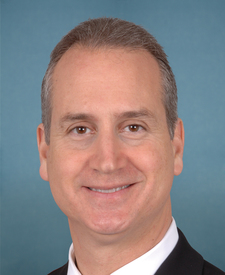
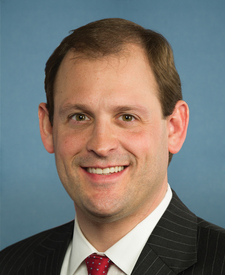
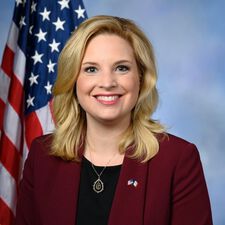
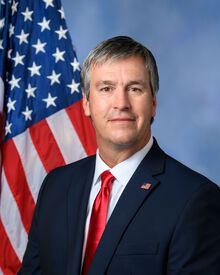
Mr. Diaz-Balart (for himself, Mr. Moskowitz, Mr. Fine, Mr. Suozzi, …
Referred to the Committee on Foreign Affairs, and in addition …
Introduced in House
Stakeholder Effects
cui bono?How this legislation distributes effects. Mention counts reflect frequency, not effect magnitude.
Congressional foreign affairs committee staff, President national security staff, Secretary of State counterterrorism staff
Positive-direction: Congressional foreign affairs committee staff, U.S. counterterrorism officials
Negative-direction: President national security staff, Secretary of State counterterrorism staff, Secretary of State visa staff, U.S. consular officers
Foreign Muslim Brotherhood members, Muslim Brotherhood branch entities
Bill Structure & Actor Mappings
Who is "The Secretary" in each section?
- "nctc"
- → National Counterterrorism Center
- "state"
- → Department of State
- "president"
- → President of the United States
- "secretary"
- → Secretary of State
We use a combination of our own taxonomy and classification in addition to large language models to assess meaning and potential beneficiaries. High confidence means strong textual evidence. Always verify with the original bill text.
Learn more about our methodology