DIGNIDAD (Dignity) Act of 2025
Summary
What This Bill Does
The DIGNIDAD Act is a large immigration compromise bill. Division A tightens border operations by requiring DHS physical barriers, tactical infrastructure, technology, 95,000 annual Air and Marine Operations flight hours, unmanned aircraft coverage, a National Border Security Advisory Committee, border threat analyses, port-of-entry standards reports, a DHS Border Oversight Commission, CBP training, Border Patrol processing coordinators, at least a 14 percent GS-12 Border Patrol pay increase, a five-year body-worn-camera pilot, and limits on enforcement at protected sensitive locations. It appropriates $2 billion per year for fiscal years 2026 through 2030 for port-of-entry infrastructure and creates an Immigration Infrastructure and Debt Reduction Fund. Enforcement titles add crimes or penalties for illicit spotting, hindering immigration and customs controls, illegal reentry, child sex trafficking, alien voting, smuggling analysis, DNA collection, and visa ineligibility for drug trafficker spouses and children. The Legal Workforce Act title phases in mandatory employment eligibility verification, E-Verify photo matching, identity-authentication pilots, SSA Inspector General audits, anti-fraud measures, penalties, and preemption rules. Asylum and humanitarian titles create at least three humanitarian campuses, expedited asylum determinations, Western Hemisphere prescreening and family reunification facilities, interview recording, anti-fraud tools, sponsor background checks for unaccompanied children, legal-service provider loan forgiveness, and new humanitarian status. Division B includes the Dream Act, general adjustment rules, confidentiality, administrative and judicial review, a Dignity Program with deferred action and employment authorization, completion requirements for Dignity status, and restitution payments directed to apprenticeships, work-based learning, and high-demand career grants. Division C adds American Families United discretion for certain family members of U.S. citizens, temporary family visitation, military naturalization modernization, visa backlog reduction, 15 percent per-country caps, protection for documented Dreamers, immediate-relative treatment for worker spouses and minor children, Social Security taxes on optional practical training wages, STEM doctoral O-visa recognition, student-visa dual intent, and $2.56 billion for USCIS operations, $825 million for State consular and visa services, and $225 million for Labor foreign labor certification in fiscal year 2026.
Who Benefits and How
Long-term residents who entered the United States as children benefit from Dream Act conditional permanent residence and later removal of conditions. Undocumented immigrants eligible for the Dignity Program benefit from deferred action, employment authorization, and a route to Dignity status after meeting program requirements. U.S. citizen families with noncitizen spouses or children benefit from case-by-case discretion, family-separation hardship presumptions, and motions to reopen. Apprenticeship partnerships and students seeking high-demand careers benefit because Dignity restitution funds are directed to work-based learning grants.
Who Bears the Burden and How
DHS, CBP, USCIS, State, Labor, SSA, OPM, DOJ, and border oversight entities must implement extensive new reports, systems, staffing, training, facilities, and adjudication duties. Employers must use expanded employment eligibility verification, photo matching, identity-authentication pilots, good-faith rules, and face higher penalties for violations. Immigrants with criminal, fraud, reentry, alien-voting, or asylum-fraud exposure face tighter penalties, ineligibilities, and screening requirements. Federal taxpayers fund border infrastructure, immigration processing accounts, humanitarian campuses, workforce grants, and agency operations.
Key Provisions
- Requires border barriers, technology, flight hours, advisory committees, port reports, CBP training, higher Border Patrol pay, body cameras, and protected-location limits.
- Appropriates $2 billion annually for fiscal years 2026 through 2030 for port-of-entry infrastructure and creates an Immigration Infrastructure and Debt Reduction Fund.
- Mandates employment eligibility verification while adding fraud prevention, photo matching, identity-authentication pilots, SSA audits, and penalties.
- Creates humanitarian campuses, expedited asylum determinations, Western Hemisphere prescreening facilities, interview recording, sponsor background checks, and legal-service provider loan forgiveness.
- Establishes Dream Act relief and a Dignity Program with deferred action, employment authorization, completion requirements, confidentiality, and review rules.
- Provides restitution-funded apprenticeship and high-demand career grants, family-discretion reforms, visa-backlog relief, student-visa dual intent, STEM doctoral visa recognition, and immigration agency processing funds.
Evidence Chain:
This summary is generated from the full bill text using AI analysis. Expand "Detailed Analysis" below for identified beneficiaries/burden bearers with clause-level evidence links.
At a Glance
What This Bill Does
Combines border-security funding and oversight, employment verification, asylum processing changes, legalization paths for Dreamers and Dignity Program participants, restitution-funded workforce grants, family and employment visa reforms, and immigration agency processing resources.
Key Policy Areas
Immigration, Border Security, Workforce Development
Primary Purpose
Combines border-security funding and oversight, employment verification, asylum processing changes, legalization paths for Dreamers and Dignity Program participants, restitution-funded workforce grants, family and employment visa reforms, and immigration agency processing resources.
Policy Domains
Resolution provisions
Identified Gains
- Dream Act eligible long-term residents
- Dignity Program participants
- U.S. citizen family members
- Apprenticeship partnerships
Identified Costs
- Department of Homeland Security
- Employers using E-Verify
- Immigrants facing new enforcement penalties
- Federal taxpayers
Sponsors


Legislative Progress
In CommitteeReferred to the Subcommittee on Border Security and Enforcement.
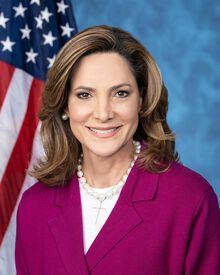
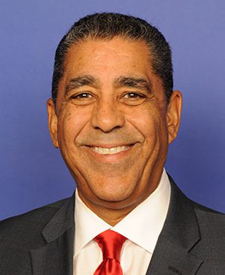
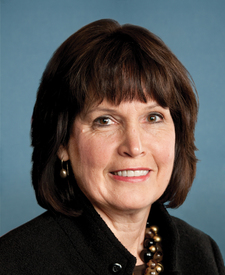
Ms. Salazar (for herself, Ms. Escobar, Mr. Lawler, Mr. Espaillat, …
Referred to the Committee on the Judiciary, and in addition …
Introduced in House
Stakeholder Effects
cui bono?How this legislation distributes effects. Mention counts reflect frequency, not effect magnitude.
Dignity Program participants, Dream Act eligible long-term residents
Bill Structure & Actor Mappings
Who is "The Secretary" in each section?
We use a combination of our own taxonomy and classification in addition to large language models to assess meaning and potential beneficiaries. High confidence means strong textual evidence. Always verify with the original bill text.
Learn more about our methodology