PFC Joseph P. Dwyer Peer Support Program Act
Summary
What This Bill Does
The PFC Joseph P. Dwyer Peer Support Program Act directs the Secretary of Veterans Affairs to establish a grant program for peer-to-peer mental health programs for veterans. Eligible entities include nonprofits with a history of serving veterans' mental health needs, congressionally chartered veteran service organizations, and state, local, or Tribal veteran service agencies, directors, or commissioners. Grants may not exceed $250,000 per recipient. Funds must support programs meeting VA-developed standards, hire veterans as peer specialists for group and individual meetings with veterans seeking nonclinical support, provide mental health support 24 hours a day and seven days a week, and hire staff to support the program. VA must create an advisory committee to set standards on initial and continuing peer-volunteer training, administrative staffing needs, and best practices for serving veterans. VA may not require grantees to maintain records on veterans seeking support or report personally identifying information about them. The bill authorizes $25 million for the three-year period after enactment.
Who Benefits and How
Veterans seeking nonclinical mental health support benefit from peer-to-peer programs available 24 hours a day and seven days a week. Veteran peer specialists benefit because grants can pay veterans to host group and individual support meetings. Veteran service organizations benefit from grants of up to $250,000 for peer-support programs. State, local, and Tribal veteran service agencies benefit from eligibility to operate VA-funded peer-support programs.
Who Bears the Burden and How
The Department of Veterans Affairs must establish the grant program, award grants, and create advisory standards. Grant recipients must operate programs meeting VA standards and provide 24/7 nonclinical support. The advisory committee must develop training, staffing, and best-practice standards for peer-support programs. Federal taxpayers fund the $25 million three-year authorization.
Key Provisions
- Creates the PFC Joseph P. Dwyer Peer Support Program at VA.
- Authorizes grants up to $250,000 for eligible nonprofits, veteran service organizations, and state, local, or Tribal veteran service agencies.
- Requires funded programs to hire veteran peer specialists and provide 24/7 mental health support.
- Protects privacy by barring VA from requiring personally identifying information about veterans seeking support.
Evidence Chain:
This summary is generated from the full bill text using AI analysis. Expand "Detailed Analysis" below for identified beneficiaries/burden bearers with clause-level evidence links.
At a Glance
What This Bill Does
Creates a VA grant program of up to $250,000 per recipient for veteran peer-to-peer mental health programs, including 24/7 support, paid veteran peer specialists, advisory standards, privacy protections, and $25 million over three years.
Key Policy Areas
Veterans, Mental Health, Grants
Primary Purpose
Creates a VA grant program of up to $250,000 per recipient for veteran peer-to-peer mental health programs, including 24/7 support, paid veteran peer specialists, advisory standards, privacy protections, and $25 million over three years.
Policy Domains
Resolution provisions
Identified Gains
- Veterans seeking nonclinical mental health support
- Veteran peer specialists
- Veteran service organizations
- State veteran service agencies
Identified Costs
- Department of Veterans Affairs
- Grant recipients
- VA advisory committee
- Federal taxpayers
Sponsors


Legislative Progress
In CommitteeReferred to the Subcommittee on Health.
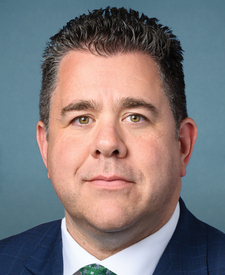
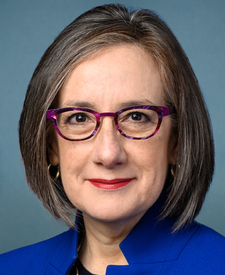
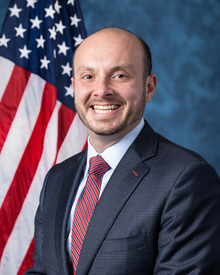
Mr. LaLota (for himself, Mr. Panetta, Mr. Garbarino, Mr. Fitzpatrick, …
Referred to the House Committee on Veterans' Affairs.
Introduced in House
Stakeholder Effects
cui bono?How this legislation distributes effects. Mention counts reflect frequency, not effect magnitude.
Grant recipients, Veteran peer specialists, Veteran service organizations
Positive-direction: Veteran peer specialists, Veteran service organizations
Negative-direction: Grant recipients
Bill Structure & Actor Mappings
Who is "The Secretary" in each section?
We use a combination of our own taxonomy and classification in addition to large language models to assess meaning and potential beneficiaries. High confidence means strong textual evidence. Always verify with the original bill text.
Learn more about our methodology