Kayla Hamilton Act
Summary
What This Bill Does
The Kayla Hamilton Act changes how the Office of Refugee Resettlement and HHS place unaccompanied alien children in federal custody. It requires ORR placement determinations to follow section 235(c)(2) of the William Wilberforce Trafficking Victims Protection Reauthorization Act. Before HHS places a child, HHS must consult with DHS and the Attorney General, including juvenile justice officials, to assess appearance at immigration and judicial proceedings, risk of victimization by smugglers, traffickers, or gangs, flight risk, danger to self or others, and U.S. or foreign criminal history.
For unaccompanied children age 12 or older, HHS must contact the consulate or embassy of the child's country of citizenship, nationality, or last habitual residence to seek arrest records, pending charges, or conviction documents, and must examine the child for gang-related tattoos or markings. Children may not be released on their own recognizance. Children age 12 or older must be placed in a secure facility during immigration proceedings, and until removal if ordered removed, when they are flight risks, dangers, have gang indicators, have certain serious criminal histories, or have gang-affiliation records. The bill bars placement with sponsors who are not U.S. citizens or lawful permanent residents and with individuals or households tied to specified sex offenses, severe trafficking, child abuse, child neglect, violent crimes, or other listed crimes.
The bill also adds construction and severability language, permits immediate implementation without Paperwork Reduction Act compliance or Administrative Procedure Act rulemaking when agency heads determine those requirements would impede implementation, and applies to pending or future release and custody determinations after enactment.
Who Benefits and How
Supporters of stricter anti-trafficking controls benefit because HHS must perform more screening before release. Office of Refugee Resettlement caseworkers, DHS immigration officers, Department of Justice juvenile justice officials, foreign consular officials, secure juvenile facilities, background-check providers, and immigration courts receive clearer statutory rules for when a child should remain in secure custody or when a sponsor is disqualified. Children at risk of trafficking or gang exploitation could benefit if stricter screening prevents unsafe placements.
Who Bears the Burden and How
Unaccompanied children age 12 or older, children with gang indicators, children with foreign arrest records, noncitizen relatives seeking sponsorship, lawful sponsors living with disqualifying household members, immigration legal aid groups, HHS shelter providers, ORR case managers, DHS officers, DOJ officials, State Department consular staff, immigration judges, and potential sponsors must comply with more documentation, screening, consultation, detention, and background-check requirements. Many children face longer secure custody, and many potential family sponsors lose eligibility unless they meet citizenship or lawful permanent residence and household-criminal-history requirements.
Key Provisions
- Requires ORR placement determinations to follow TVPRA section 235(c)(2) procedures.
- Requires HHS consultation with DHS and DOJ before placement decisions.
- Requires foreign criminal-record requests and gang-marking examinations for many unaccompanied children age 12 or older.
- Bars release of unaccompanied alien children on their own recognizance.
- Requires secure-facility placement for many children age 12 or older who present flight, danger, gang, or criminal-history indicators.
- Bars placement with sponsors who are not U.S. citizens or lawful permanent residents.
- Bars placement with sponsors or households tied to specified sex offenses, trafficking, child abuse, child neglect, violent crimes, and other serious crimes.
- Exempts immediate implementation from Paperwork Reduction Act or Administrative Procedure Act requirements when agency heads determine compliance would impede implementation.
Evidence Chain:
This summary is generated from the full bill text using AI analysis. Expand "Detailed Analysis" below for identified beneficiaries/burden bearers with clause-level evidence links.
At a Glance
What This Bill Does
Tightens placement, sponsor-screening, and secure-custody rules for unaccompanied alien children by requiring ORR placement decisions to follow TVPRA screening procedures, expanding HHS consultation with DHS and DOJ, requiring foreign criminal-record checks and gang-marking examinations for many children age 12 or older, barring release on recognizance, narrowing sponsor eligibility, and exempting immediate implementation from some paperwork and rulemaking requirements.
Key Policy Areas
Immigration, Child Welfare, Law Enforcement
Primary Purpose
Tightens placement, sponsor-screening, and secure-custody rules for unaccompanied alien children by requiring ORR placement decisions to follow TVPRA screening procedures, expanding HHS consultation with DHS and DOJ, requiring foreign criminal-record checks and gang-marking examinations for many children age 12 or older, barring release on recognizance, narrowing sponsor eligibility, and exempting immediate implementation from some paperwork and rulemaking requirements.
Policy Domains
Substantive provisions
Identified Gains
- Supporters of stricter anti-trafficking controls
- Office of Refugee Resettlement caseworkers
- DHS immigration officers
- Department of Justice juvenile justice officials
- Foreign consular officials
- Secure juvenile facilities
- Background-check providers
- Immigration courts
- Children at risk of trafficking
Identified Costs
- Unaccompanied children age 12 or older
- Children with gang indicators
- Children with foreign arrest records
- Noncitizen relatives seeking sponsorship
- Lawful sponsors living with disqualifying household members
- Immigration legal aid groups
- HHS shelter providers
- ORR case managers
- DHS officers
- State Department consular staff
- Immigration judges
Sponsors
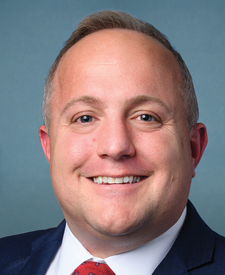
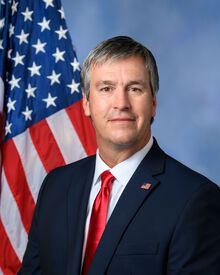
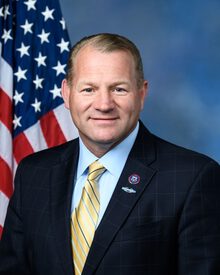
Legislative Progress
Passed HouseReceived in the Senate.
The title of the measure was amended. Agreed to without …
Motion to reconsider laid on the table Agreed to without …
On passage Passed by the Yeas and Nays: 225 - …
Passed/agreed to in House: On passage Passed by the Yeas …
On motion to recommit Failed by the Yeas and Nays: …
Considered as unfinished business. (consideration: CR H5933-5934)
POSTPONED PROCEEDINGS - At the conclusion of debate H.R. 4371, …
The previous question on the motion to recommit was ordered …
Ms. Stansbury moved to recommit to the Committee on the …
Stakeholder Effects
cui bono?How this legislation distributes effects. Mention counts reflect frequency, not effect magnitude.
Background check service providers (FBI fingerprint checks, sex offender registries), Department of Homeland Security, Department of Homeland Security receiving sponsor data
Positive-direction: Background check service providers (FBI fingerprint checks, sex offender registries), HHS, DHS, State, and DOJ agencies implementing new child placement rules
Negative-direction: Department of Justice and juvenile justice officials, Foreign consulates and embassies, Foreign embassies and consulates, Immigration courts and HHS handling pending cases, Office of Refugee Resettlement, Office of Refugee Resettlement staff, Office of Refugee Resettlement within HHS
Non-citizen family members seeking to sponsor, Non-citizen or non-LPR family members seeking to sponsor, Unaccompanied alien children 12+ subject to gang screening
All potential sponsors and household adults, Individuals with criminal history in household, Potential sponsors (all household adults)
Secure juvenile detention facilities, Secure juvenile detention facility operators
Immigration advocacy and legal aid organizations, Public and advocacy groups seeking regulatory input
On Passage
Kayla Hamilton Act
On Motion to Recommit
Kayla Hamilton Act
Bill Structure & Actor Mappings
Who is "The Secretary" in each section?
- "dhs"
- → Department of Homeland Security
- "hhs"
- → Department of Health and Human Services
- "orr"
- → Office of Refugee Resettlement
We use a combination of our own taxonomy and classification in addition to large language models to assess meaning and potential beneficiaries. High confidence means strong textual evidence. Always verify with the original bill text.
Learn more about our methodology