To amend the William Wilberforce Trafficking Victims Protection Reauthorization Act of 2008 to enhance efforts to combat the trafficking of children.
Sponsors
Legislative Progress
Passed HouseReported with an amendment, committed to the Committee of the …
Passed House (inferred from eh version)
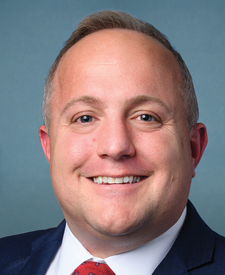
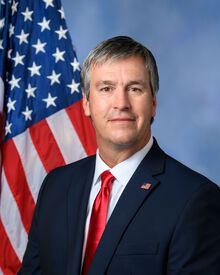
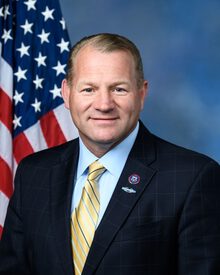
Mr. Fry (for himself, Mr. Nehls, and Mr. Moore of …
On Passage
Kayla Hamilton Act
On Motion to Recommit
Kayla Hamilton Act
Summary
What This Bill Does
The Kayla Hamilton Act dramatically tightens security screening and placement requirements for unaccompanied children who arrive at the border without parents. The bill mandates that the Department of Health and Human Services conduct gang screening (including tattoo examinations) and obtain criminal records from foreign governments for all children ages 12 and older. Children identified as flight risks or having gang indicators must be detained in secure facilities throughout their immigration proceedings, rather than placed with families.
Who Benefits and How
Secure juvenile detention facility operators benefit significantly, as the bill creates mandatory detention requirements for children 12+ with gang-related indicators or criminal histories, potentially increasing the detained population. The Department of Homeland Security gains expanded access to detailed information about all potential sponsors and their household members, including immigration status, Social Security numbers, and complete criminal background checks. Federal law enforcement agencies conducting background checks (FBI fingerprint services, sex offender registry checks) see increased demand for their services. Immigration courts may experience improved appearance rates as fewer children are released on their own recognizance.
Who Bears the Burden and How
Unaccompanied alien children ages 12 and older face mandatory physical examinations for gang tattoos, criminal record requests from their home countries, and potential long-term secure detention based on indicators like gang markings or arrest records. Non-citizen family members—even those with legal status short of citizenship or lawful permanent residency—are categorically prohibited from sponsoring children, eliminating placement options for children whose closest relatives lack full legal status. All potential sponsors and every adult in their household must undergo extensive vetting including fingerprint-based FBI criminal history checks, sex offender registry searches, and disclosure of immigration status to DHS, creating significant privacy concerns and compliance burdens. Immigration advocacy organizations face reduced ability to participate in rulemaking because the bill exempts agencies from the Administrative Procedure Act'''s public comment requirements. Foreign embassies and consulates must divert resources to fulfill requests for criminal records on minors.
Key Provisions
- Requires mandatory gang screening for all unaccompanied children 12+ including physical examination for tattoos and requests to foreign governments for criminal records
- Mandates secure facility detention for children 12+ who are deemed flight risks or have gang indicators, criminal convictions, or gang-related arrest records—no release on own recognizance allowed
- Prohibits placement with any individual who is not a U.S. citizen or lawful permanent resident, even if they are family members
- Prohibits placement with anyone convicted of serious crimes or living in a household with such individuals, including sex offenses, trafficking, domestic violence, child abuse, murder, any felony, or any crime punishable by more than one year
- Requires HHS to provide DHS with comprehensive information on all sponsors and household adults before placement, including names, SSNs/ITINs, dates of birth, addresses, immigration status, contact information, and results of all background checks
- Exempts HHS, DHS, State Department, and Attorney General from Paperwork Reduction Act and Administrative Procedure Act requirements if they determine compliance would slow implementation
- Applies retroactively to all pending custody determinations for unaccompanied children, not just future cases
Evidence Chain:
This summary is derived from the structured analysis below. See "Detailed Analysis" for per-title beneficiaries/burden bearers with clause-level evidence links.
Primary Purpose
Enhances protections against trafficking of unaccompanied alien children by imposing stricter placement requirements, mandatory gang screening for children 12+, and prohibiting placement with non-citizens or individuals with criminal histories.
Policy Domains
Legislative Strategy
"Tighten enforcement and screening of unaccompanied alien children to prevent gang infiltration and trafficking, while ensuring children are placed only with vetted, legally present sponsors"
Likely Beneficiaries
- Office of Refugee Resettlement - receives clearer authority and mandate
- Department of Homeland Security - receives detailed information on sponsors
- Law enforcement - enhanced gang screening and detention authority
- Secure detention facility operators - mandatory detention for at-risk youth 12+
- Immigration courts - improved appearance rates through stricter placement
Likely Burden Bearers
- Unaccompanied alien children 12+ - face mandatory gang screening, potential secure detention
- Non-citizen family members - cannot sponsor children even if related
- Foreign consulates/embassies - must provide criminal records
- HHS Office of Refugee Resettlement - extensive background checks and coordination requirements
- Potential sponsors - extensive vetting including fingerprints, criminal checks for all household adults
- Immigration advocacy organizations - fewer placement options for children
Bill Structure & Actor Mappings
Who is "The Secretary" in each section?
- "the_director"
- → Director of the Office of Refugee Resettlement
- "the_secretary_hhs"
- → Secretary of Health and Human Services
- "the_secretary"
- → Secretary of Health and Human Services
- "the_secretary_dhs"
- → Secretary of Homeland Security
- "the_secretary_hhs"
- → Secretary of Health and Human Services
- "the_attorney_general"
- → Attorney General
- "the_secretary_dhs"
- → Secretary of Homeland Security
- "the_secretary_hhs"
- → Secretary of Health and Human Services
- "the_secretary_state"
- → Secretary of State
- "the_attorney_general"
- → Attorney General
Note: Section 3 uses 'The Secretary' which consistently refers to the Secretary of Health and Human Services throughout.
Key Definitions
Terms defined in this bill
Referenced from section 642(g)(2) of the Homeland Security Act of 2002 - a child who has no lawful immigration status and no parent or legal guardian in the United States available to provide care and custody
Unaccompanied alien child who may not appear for immigration, administrative, and judicial hearings
Must be United States citizens or lawful permanent residents of the United States
Physical markings indicating gang affiliation - examined on unaccompanied alien children 12 years of age or older
As defined in section 111(5) of the Sex Offender Registration and Notification Act (34 U.S.C. 20911(5))
As defined in section 101(h) of the Immigration and Nationality Act (8 U.S.C. 1101(h))
As defined in section 101(a)(43) of the Immigration and Nationality Act (8 U.S.C. 1101(a)(43))
Includes having gang-related markings, serious criminal offense convictions, aggravated felony convictions, or arrest records/pending charges for gang activity
As defined in section 40002(a)(12) of the Violence Against Women Act of 1994 (34 U.S.C. 12291(a)(12))
As defined in section 3 of the Child Abuse Prevention and Treatment Act (Public Law 93–247; 42 U.S.C. 5101 note)
As defined in section 103(11) of the Trafficking Victims Protection Act of 2000 (22 U.S.C. 7102(11))
We use a combination of our own taxonomy and classification in addition to large language models to assess meaning and potential beneficiaries. High confidence means strong textual evidence. Always verify with the original bill text.
Learn more about our methodology