Federal Prisons Accountability Act of 2025
Summary
What This Bill Does
The Federal Prisons Accountability Act changes the appointment structure for the Director of the Bureau of Prisons. Findings emphasize BOP's scale: a budget exceeding $7 billion in fiscal year 2018, 122 facilities, responsibility for more than 176,000 federal inmates, and supervision of more than 36,000 employees. The bill removes the current language under which the Director is appointed by and serves directly under the Attorney General, and instead requires presidential appointment with the advice and consent of the Senate while still serving directly under the Attorney General. The incumbent Director may continue for three months after enactment, and future Directors serve a 10-year term, may continue until a successor is confirmed, and may not serve more than one term.
Who Benefits and How
Senate oversight committees benefit because BOP leadership would require confirmation and public accountability. Federal inmates benefit indirectly if Senate-confirmed leadership increases scrutiny of prison safety, welfare, and management. BOP employees benefit if confirmed leadership improves accountability for hazardous prison working conditions. The Department of Justice benefits from a clearer fixed-term leadership structure for a major law-enforcement component.
Who Bears the Burden and How
The President must nominate future BOP Directors for Senate-confirmed appointment. BOP Director nominees must undergo confirmation review and can serve only one 10-year term. The Attorney General loses unilateral appointment control over the Bureau of Prisons Director. Senate Judiciary Committee staff must vet nominees for a large federal prison system.
Key Provisions
- Requires presidential appointment and Senate confirmation for the Bureau of Prisons Director.
- Allows the incumbent Director to serve for three months after enactment unless appointed under the new process.
- Establishes a 10-year term for future Directors with holdover service until a successor is appointed.
- Limits each individual to one term as Director.
Evidence Chain:
This summary is generated from the full bill text using AI analysis. Expand "Detailed Analysis" below for identified beneficiaries/burden bearers with clause-level evidence links.
At a Glance
What This Bill Does
Requires the Bureau of Prisons Director to be appointed by the President with Senate confirmation, allows the incumbent to serve for three months after enactment, and creates a 10-year single term for future Directors.
Key Policy Areas
Criminal Justice, Federal Prisons, Appointments
Primary Purpose
Requires the Bureau of Prisons Director to be appointed by the President with Senate confirmation, allows the incumbent to serve for three months after enactment, and creates a 10-year single term for future Directors.
Policy Domains
Resolution provisions
Identified Gains
- Senate oversight committees
- Federal inmates
- BOP employees
- Department of Justice
Identified Costs
- President of the United States
- BOP Director nominees
- Attorney General
- Senate Judiciary Committee staff
Sponsors
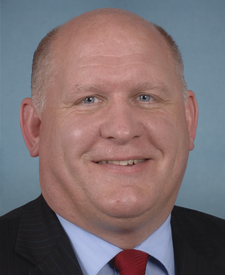
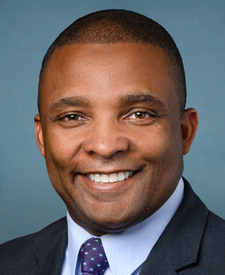

Legislative Progress
In CommitteeMr. Thompson of Pennsylvania (for himself and Mr. Landsman) introduced …
Referred to the House Committee on the Judiciary.
Introduced in House
Stakeholder Effects
cui bono?How this legislation distributes effects. Mention counts reflect frequency, not effect magnitude.
Attorney General, BOP Director nominees, President of the United States
Bill Structure & Actor Mappings
Who is "The Secretary" in each section?
We use a combination of our own taxonomy and classification in addition to large language models to assess meaning and potential beneficiaries. High confidence means strong textual evidence. Always verify with the original bill text.
Learn more about our methodology